
Fortified Foods Market Focuses on Innovations Driving Health and Nutrition Trends
Advancing Wellness: Innovations in Fortified Foods Powering the Health and Nutrition Revolution
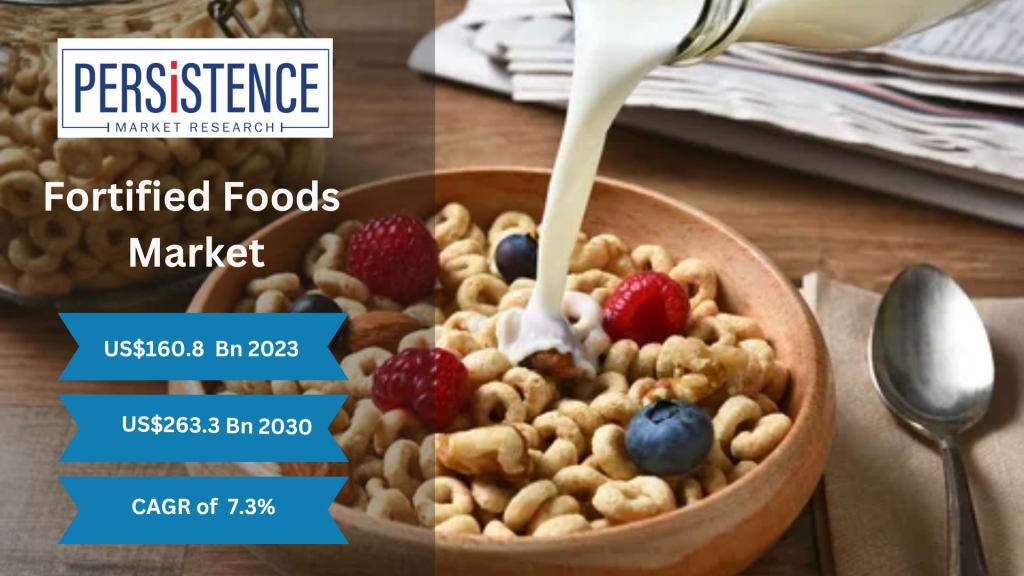
The fortified foods market is experiencing a surge in demand as consumers increasingly prioritize health, wellness, and nutritional benefits in their daily diets. With the rising awareness of malnutrition, nutrient deficiencies, and chronic health conditions, food manufacturers and industry innovators are leveraging technology and advanced research to enrich products with essential vitamins, minerals, and other health-boosting ingredients. . The global fortified foods market is forecast to expand at a CAGR of 7.3% and thereby increase from a value of US$160.8 Bn in 2023 to US$263.3 Bn by the end of 2030.
This blog delves into the major innovations driving the growth of the fortified foods market and the trends that are shaping its future.
1. Growing Demand for Nutritional Enrichment
The fortified foods market has expanded beyond addressing nutrient deficiencies and now caters to a broader consumer base seeking proactive health benefits. Fortification aims to address specific nutritional needs, offering consumers products that help manage energy, immunity, bone health, and overall wellness. The rise of lifestyle diseases and an aging population contribute to an increased demand for fortified products across age groups. Consumers want functional foods that support longevity and quality of life, fueling growth in fortified categories.
2. Key Innovations in Fortified Foods
Plant-Based Fortification: With the popularity of plant-based diets, companies are developing fortified foods that offer plant-derived nutrients. Plant-based proteins, omega-3 fatty acids, and natural sources of vitamins like B12 are making it easier for consumers to gain essential nutrients without relying on animal-based products.
Probiotic-Enhanced Products: Probiotics have become synonymous with gut health, and their inclusion in fortified foods is growing. Probiotic-infused snacks, beverages, and dairy alternatives contribute to a balanced microbiome and offer added immunity benefits, driving the appeal of gut-friendly fortified options.
Fortified Organic and Natural Foods: As consumers gravitate toward organic and minimally processed foods, brands are responding with fortified versions of organic staples. These products maintain organic certifications while delivering added nutrients, allowing health-conscious shoppers to prioritize both clean ingredients and nutrition.
3. Tech-Driven Fortification Solutions
Microencapsulation Technology: Microencapsulation helps preserve the stability and bioavailability of vitamins and minerals. By encapsulating nutrients in protective coatings, manufacturers can fortify food without compromising taste, texture, or shelf life. This technology is increasingly used in products like cereals, milk, and snacks.
Nanotechnology: Emerging nanotechnology allows for the controlled release and targeted delivery of nutrients, increasing absorption rates in the body. This is especially beneficial for water-soluble vitamins and other nutrients that may lose potency during processing or storage. Nanotechnology-enhanced fortification offers potential for broader use across product categories.
3D Food Printing: Although still in its early stages, 3D printing technology is being explored as a way to customize fortified foods. Consumers may eventually have the option to print meals with specific nutrient compositions tailored to their health needs, creating possibilities for personalized nutrition on demand.
4. Trends Shaping the Future of Fortified Foods
Personalized Nutrition: The concept of personalized nutrition is taking hold as consumers seek products tailored to their unique health profiles. Fortified foods that address specific nutrient needs based on age, gender, lifestyle, or health condition are gaining traction. Companies are exploring ways to offer personalized nutrition solutions, whether through customizable products or smart packaging.
Sustainability in Fortification: As the food industry moves toward sustainable practices, there’s a push for eco-friendly fortification sources. This includes using sustainable ingredients, reducing waste, and opting for plant-based nutrients. Environmentally conscious consumers are more likely to support brands that align with their values, which means sustainable fortification could become a market differentiator.
Focus on Immunity and Mental Health: The COVID-19 pandemic heightened interest in immunity-boosting foods, and this trend shows no sign of slowing down. Additionally, with increasing awareness of mental health, fortified foods enriched with ingredients like omega-3 fatty acids, adaptogens, and nootropics are expected to gain popularity for their role in cognitive health and mood support.
5. Regional Demand and Growth Prospects
The fortified foods market is witnessing strong demand across regions, with distinct preferences based on local health challenges and regulatory policies. In North America and Europe, there’s a heightened focus on immune-boosting and cognitive health products, while Asia-Pacific markets see rising demand for fortified staple foods to address specific nutrient deficiencies. Emerging economies with large populations are also driving growth as governments push for nutrient-rich diets to combat malnutrition.
6. Challenges and Future Opportunities
Balancing Taste and Nutrition: One of the biggest challenges for fortified foods is achieving the right balance of taste and nutrition. Consumers expect fortified products to deliver the same sensory experience as their non-fortified counterparts. Innovations in taste-masking techniques and ingredient formulations are addressing this challenge.
Regulatory Compliance: Each region has distinct regulations regarding food fortification. Manufacturers must navigate complex regulatory landscapes to ensure compliance while meeting consumer demand for transparency and quality.
Educating Consumers: Many consumers are unfamiliar with the benefits of fortified foods or are skeptical about their efficacy. Effective marketing and transparent labeling are essential for educating consumers about the advantages of fortified products and encouraging adoption.
Conclusion
The fortified foods market is evolving rapidly, driven by technological innovations, shifting consumer preferences, and a growing awareness of health and nutrition. As manufacturers continue to innovate with nutrient-rich, functional, and eco-friendly products, the market is poised for steady growth. Looking ahead, the focus on personalized nutrition, sustainability, and comprehensive wellness will likely drive future trends, making fortified foods an integral part of daily diets worldwide.
About the Creator
Running With Strength and Awareness: Injury Prevention Strategies from Chad Pratt
Running is a powerful way to support physical health, mental focus, and emotional balance. It fits into busy lifestyles, requires minimal equipment, and can be adapted to nearly any fitness level. Despite these advantages, running is also a repetitive, high-impact activity that can lead to injury when the body is pushed without proper preparation or recovery. Many runners find that setbacks occur not because of lack of effort, but because of overlooked fundamentals.
By Chad Pratt2 days ago in Journal



Comments
There are no comments for this story
Be the first to respond and start the conversation.