
Financing Options to Manage Ready Mix Concrete Machinery Price
Flexible Financing Solutions to Reduce Upfront Costs and Maximize ROI for Ready Mix Concrete Machinery Purchases
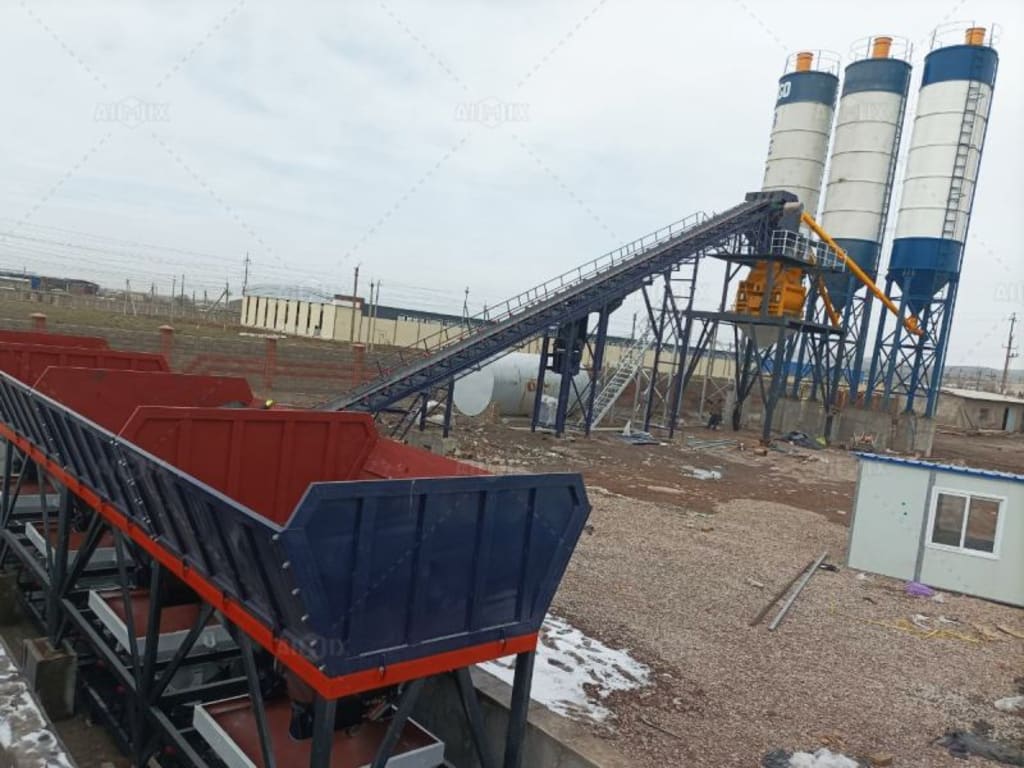
Investing in a ready mix concrete plant is a significant decision for contractors, startups, and construction companies. While the benefits of having your own plant—consistent concrete quality, reduced dependency on suppliers, and higher profit margins—are clear, the upfront cost of ready mix concrete machinery can be substantial. For many businesses, especially startups or small contractors, managing this capital outlay without compromising cash flow is a major challenge. Fortunately, there are several financing options that can make purchasing or leasing a ready mix concrete plant more feasible. This article explores these options, their advantages, and considerations to help businesses manage machinery costs effectively.

Understanding the Cost of Ready Mix Concrete Machinery
Before exploring financing, it’s important to understand the factors influencing ready mix concrete machinery price:
Plant type: Stationary plants generally cost more than mobile plants due to larger capacity and infrastructure requirements.
Capacity: Plants with higher production output (e.g., 90–180 m³/h) have higher machinery costs.
Technology and automation: Fully automated plants with advanced batching systems are pricier but reduce long-term labor costs.
Brand and quality: Established manufacturers often charge a premium, but offer reliable performance, warranties, and after-sales support.
Location and shipping: Importing equipment or transporting it to remote construction sites adds to the total investment.
These costs, when combined, can range from tens of thousands to several hundred thousand dollars, making financing an attractive solution for many buyers.
1. Bank Loans
Bank loans are one of the most common ways to finance ready mix concrete machinery. Key points to consider include:
Term loans: Businesses can secure long-term loans to cover the full purchase cost of the plant, repaid over several years.
Interest rates: Banks typically offer competitive interest rates, especially if the borrower has a strong credit history.
Collateral requirements: Some banks may require collateral, such as property or other business assets.
Advantages: Provides full ownership immediately, allowing businesses to use the plant for maximum operational flexibility.
Considerations: Monthly repayments and interest can strain cash flow if production or sales are inconsistent.
Bank loans are suitable for businesses with stable revenue streams and the ability to manage scheduled repayments without impacting daily operations.
2. Equipment Leasing
Leasing allows contractors to use a ready mix concrete plant without buying it outright. There are two main types:
Operating lease: The business rents the plant for a fixed period, usually 1–5 years, after which it can return the equipment, extend the lease, or purchase it at a residual value.
Finance lease: The business makes periodic payments over the term, after which ownership may transfer automatically or via a nominal purchase price.
Benefits of leasing:
Lower initial cash outlay compared to buying outright.
Flexibility to upgrade to newer or higher-capacity plants as business grows.
Maintenance and insurance may sometimes be included in lease agreements.
Considerations:
Total lease payments over time may exceed the purchase price.
Less control over modifications or customizations of the plant.
Leasing is ideal for startups or contractors with fluctuating project demand who prefer lower upfront investment and greater flexibility.
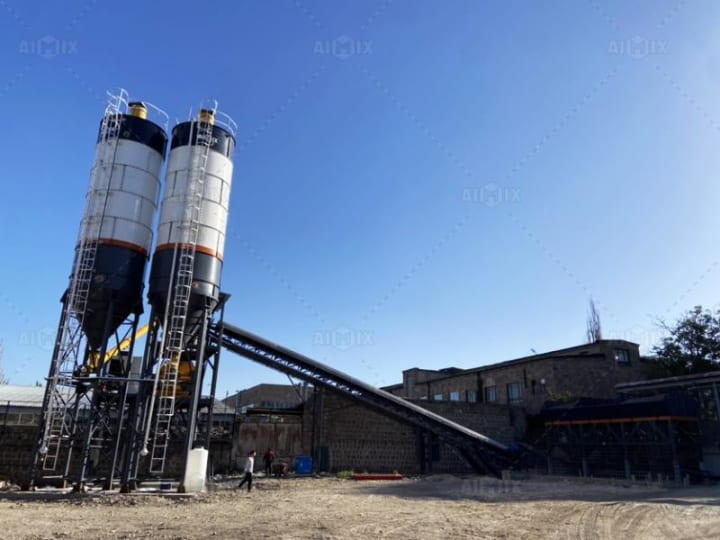
3. Rent-to-Own Programs
Some suppliers offer rent-to-own programs for ready mix concrete machinery, blending the advantages of leasing and purchasing:
A portion of rental payments is credited toward eventual ownership.
Businesses can start using the plant immediately while gradually building equity.
This option reduces the need for large upfront capital while allowing full ownership at the end of the term.
Rent-to-own programs are particularly attractive in emerging markets where bank financing may be limited or interest rates are high.
4. Supplier Financing
Certain ready mix concrete plant manufacturers provide in-house financing to encourage purchases:
Flexible payment schedules aligned with expected project cash flows.
Interest rates may be competitive compared to external bank loans.
Sometimes bundled with training, installation, or after-sales support.
Supplier financing can reduce administrative hurdles and shorten the time to acquisition, but buyers should carefully review the terms, interest rates, and total cost compared to alternative financing methods.
5. Government or Development Loans
In some countries, governments or development agencies provide financial support for construction equipment investments, particularly for startups or small businesses:
Subsidized loans or low-interest programs help reduce the financial burden.
Grants or tax incentives may be available for environmentally friendly or energy-efficient plants.
These programs can significantly lower the effective ready mix concrete machinery price, making it easier for new businesses to enter the market.
Businesses should research local and regional programs to take advantage of government-backed financing opportunities.
Tips for Choosing the Right Financing Option
Evaluate cash flow: Ensure monthly repayments or lease obligations align with expected revenue from concrete sales.
Consider long-term ROI: Balance upfront savings against total cost over the financing term.
Check supplier reputation: Reliable manufacturers offering financing often include technical support and spare parts, reducing operational risks.
Compare multiple options: Assess bank loans, leases, rent-to-own, and supplier financing to determine the most cost-effective solution.
Plan for scalability: Select financing that allows upgrading or expanding capacity as your business grows.

Conclusion
Financing plays a crucial role in managing the cost of ready mix concrete machinery, especially for startups and small contractors. Options such as bank loans, leasing, rent-to-own, supplier financing, and government-backed programs provide flexible solutions that reduce upfront capital requirements while enabling immediate operations. By carefully evaluating cash flow, long-term ROI, and available programs, businesses can acquire reliable machinery, optimize production, and build a profitable concrete business without overextending financially.
A strategic approach to financing not only lowers the barriers to entry but also positions contractors for growth, ensuring their ready mix concrete operations remain competitive and sustainable.
About the Creator
consrtuctionmachines
AIMIX is a customer-center-oriented heavy equipment manufacturer and supplier, devoted to production, innovation, combination, one-stop solution, etc.
https://aimixgroup.com/
Keep reading
More stories from consrtuctionmachines and writers in Journal and other communities.
Investment Opportunities in Different Types of Batching Plant for Construction Companies
The construction industry is undergoing rapid growth worldwide, driven by urbanization, infrastructure development, and increased demand for commercial and residential projects. For construction companies, investing in concrete production technology is essential for efficiency, cost savings, and competitive advantage. Among the most significant opportunities are investments in different types of batching plant. Understanding the advantages, market trends, and cost considerations of these plants can help companies make informed decisions to enhance profitability and project delivery.
By consrtuctionmachines4 months ago in Journal
Did Eleven Die in Stranger Things Season 5?
Stranger Things Season 5, the final chapter of Netflix’s iconic sci-fi series, concluded its story with a dramatic, emotionally charged finale that left fans debating one major question: Did Eleven die? The answer isn’t a simple “yes” or “no.” The show’s ending is intentionally ambiguous, and viewers are left to interpret Eleven’s fate for themselves
By Lightbringer 5 days ago in Journal


Comments
There are no comments for this story
Be the first to respond and start the conversation.