
Investment Opportunities in Different Types of Batching Plant for Construction Companies
Exploring the Strategic Benefits and Market Potential of Investing in Various Concrete Batching Plants for Construction Companies

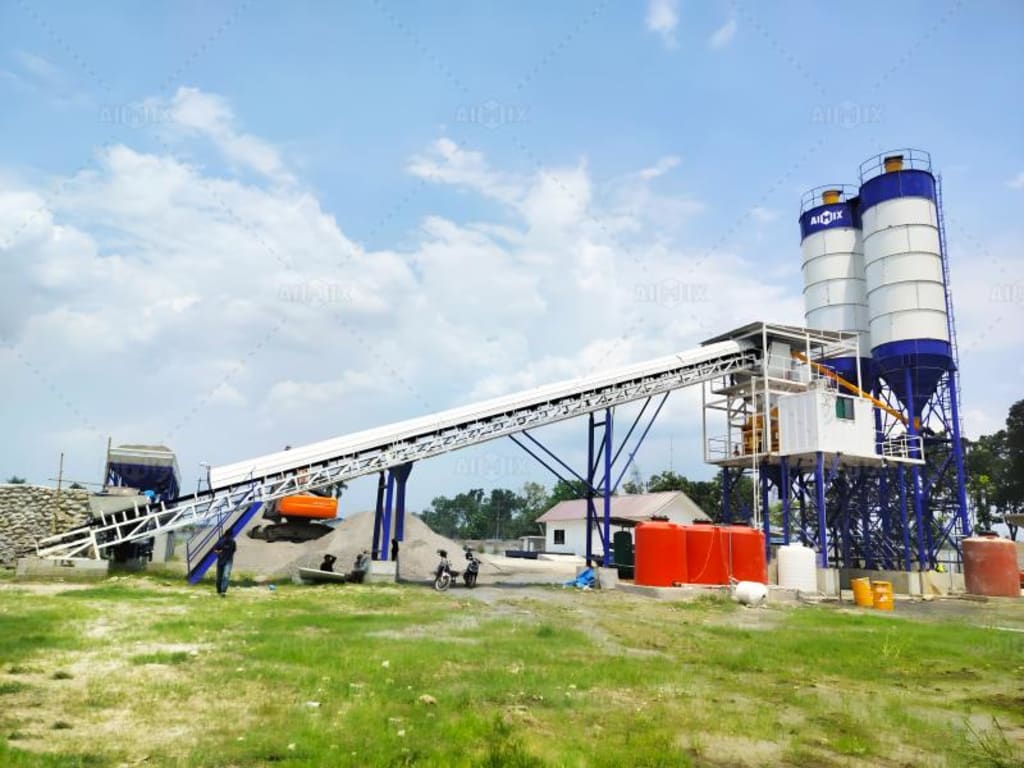
The construction industry is undergoing rapid growth worldwide, driven by urbanization, infrastructure development, and increased demand for commercial and residential projects. For construction companies, investing in concrete production technology is essential for efficiency, cost savings, and competitive advantage. Among the most significant opportunities are investments in different types of batching plant. Understanding the advantages, market trends, and cost considerations of these plants can help companies make informed decisions to enhance profitability and project delivery.

Overview of Different Types of Batching Plant
A batching plant is a facility that produces concrete by combining cement, aggregates, water, and additives in precise ratios. There are different types of batching plant commonly used in the industry:
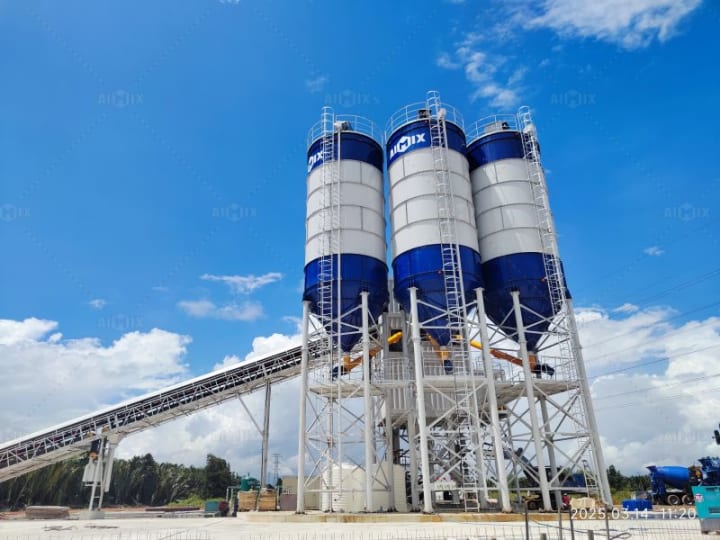
Stationary Concrete Batching Plant:
Designed for long-term use at a fixed site, stationary plants offer high production capacity and consistent quality. They are ideal for large-scale infrastructure projects such as highways, bridges, dams, and commercial complexes.
Mobile Concrete Batching Plant:
Portable and easy to relocate, mobile plants are suitable for projects across multiple sites, rural areas, or regions without permanent batching facilities. They combine flexibility with relatively high output and are increasingly popular in emerging construction markets.
Compact or Mini Batching Plant:
Small-scale batching plants are used for urban construction projects, residential buildings, or precast operations where space is limited. They require lower investment while providing reliable concrete production.
By understanding the capabilities and applications of these different types of batching plant, construction companies can align their investments with project needs and market opportunities.
Investment Drivers for Construction Companies
Several factors make investing in batching plants a strategic choice for construction companies:
1. High Demand for Ready-Mix Concrete
As urbanization and infrastructure projects expand, the demand for ready-mix concrete continues to rise. Owning a batching plant allows construction companies to supply consistent, high-quality concrete while reducing dependency on third-party suppliers. This ensures better control over production schedules, reduces delays, and enhances project efficiency.
2. Cost Efficiency
While the upfront investment in a batching plant may seem substantial, the long-term cost benefits are significant:
Reduced material wastage through precise batching.
Lower transportation costs, particularly for mobile plants.
Optimized labor costs, as automated systems require fewer personnel.
Consistent concrete quality reduces rework, improving project profitability.
For large-scale projects, these savings often outweigh the initial capital investment.
3. Competitive Advantage
Construction companies with in-house batching capabilities can offer faster project completion, higher-quality concrete, and flexible service across multiple sites. This positions them as reliable contractors in highly competitive markets, enabling them to secure larger contracts and expand market share.

Market Trends Influencing Batching Plant Investment
Several industry trends make different types of batching plant an attractive investment:
Technological Advancements:
Modern batching plants incorporate automated control systems, IoT-enabled monitoring, and precision dosing, allowing companies to produce consistent concrete efficiently while reducing human error.
Sustainability and Low-Carbon Construction:
Green construction practices are driving the adoption of batching plants with water recycling systems, energy-efficient motors, and low-emission mixers. Investing in eco-friendly technology can meet regulatory requirements and attract environmentally conscious clients.
Infrastructure Growth in Emerging Markets:
Rapid urbanization in Asia, Africa, and the Middle East is creating high demand for both stationary and mobile batching plants. Construction companies can leverage these markets to expand operations and generate higher returns on investment.
Precast and Modular Construction:
The growing trend of precast concrete and modular construction increases demand for reliable, high-quality concrete production. Compact and stationary batching plants are ideal for supporting these specialized projects.
Risk Considerations
While investing in a batching plant offers significant opportunities, construction companies should also consider potential risks:
Capital Investment: High upfront costs require careful financial planning.
Maintenance Requirements: Regular maintenance is essential to avoid downtime and ensure long-term performance.
Regulatory Compliance: Environmental and safety regulations may affect plant operations and require additional investment.
Market Volatility: Demand fluctuations in local construction markets can impact plant utilization.
A thorough feasibility study, market analysis, and financial planning are critical to mitigating these risks and maximizing returns.
Strategic Recommendations
For construction companies considering investment in different types of batching plant, the following strategies can enhance value:
Match the plant type to project scale and location: mobile plants for flexible deployment, stationary plants for high-volume projects, and compact concrete batching plants for urban construction.
Invest in automation and monitoring technologies to reduce labor costs and improve concrete quality.
Consider sustainability features to comply with regulations and meet growing demand for green construction.
Explore joint ventures or leasing options for mobile plants to reduce initial capital expenditure.
Maintain a structured preventive maintenance program to ensure plant longevity and minimize downtime.
Conclusion
Investing in different types of batching plant offers construction companies the opportunity to improve efficiency, reduce costs, and gain a competitive edge in fast-growing markets. From stationary plants for large-scale infrastructure to mobile plants for flexible deployment and compact plants for urban projects, each type has its unique advantages.
By carefully analyzing market trends, technological advancements, and project requirements, construction companies can make strategic investments that deliver long-term profitability, high-quality concrete production, and sustainable growth in an increasingly competitive industry.
About the Creator
consrtuctionmachines
AIMIX is a customer-center-oriented heavy equipment manufacturer and supplier, devoted to production, innovation, combination, one-stop solution, etc.
https://aimixgroup.com/
Keep reading
More stories from consrtuctionmachines and writers in Journal and other communities.
Concrete Batch Plants for Sale with Easy Installation and Setup
Investing in a concrete batch plant is a strategic decision for any construction or infrastructure-focused business. These plants are critical for producing high-quality concrete efficiently, which is essential for meeting project timelines and maintaining quality standards. However, one of the key concerns for businesses is the complexity and time required to install and set up these plants. Fortunately, modern concrete batch plants are designed with ease of installation and setup in mind, allowing companies to get up and running quickly and efficiently. This article explores the benefits and considerations of choosing a concrete batch plant for sale that offers easy installation and setup.
By consrtuctionmachinesabout a year ago in Journal
The goals I did not achieve
Every writing goal I made for the year is a wash. It has been this way for a while, but I think it's important to be open about my failures and the reality of how life can get in the way. This is especially true considering the several times I have posted on Vocal about my writing goals, how I was changing my approach, and where I was hoping to be for the upcoming year. I will probably do that again in a couple months, but for now, it is time to acknowledge where I am today.
By Kay Husnick17 days ago in Journal
NEW YORK RISES – WHEN THE AMERICAN STREET DEFIES THE ARMED STATE
The silence of New York was not an absence of sound, but a presence of weight, an atmospheric density that heralded the storm long before the first drop of anger fell on the pavement of Manhattan. In this month of January 2026, the metropolis did not merely cease breathing to the rhythm of profit; it changed its very nature. Under a leaden sky, whose hue recalled cold metals and irrevocable administrative decisions, a human tide took over the canyons of concrete. This was not a riot, it was not a scream, it was a march. A slow, granitic, almost liturgical advance, where every step seemed to weigh a ton of mute demands. There was a particular gravity in this crowd, the kind that distinguishes anger that has long ripened in the shadows from the blind rage that evaporates with the first police charge. Faces were landscapes of determination, marked by the cold but heated by an inner conviction that nothing seemed able to dent.
By Laurenceau Porteabout 2 hours ago in Journal




Comments (1)
Thanks for deeply explained