
Everest Three Pass Trek Difficulty
A True Himalayan Challenge
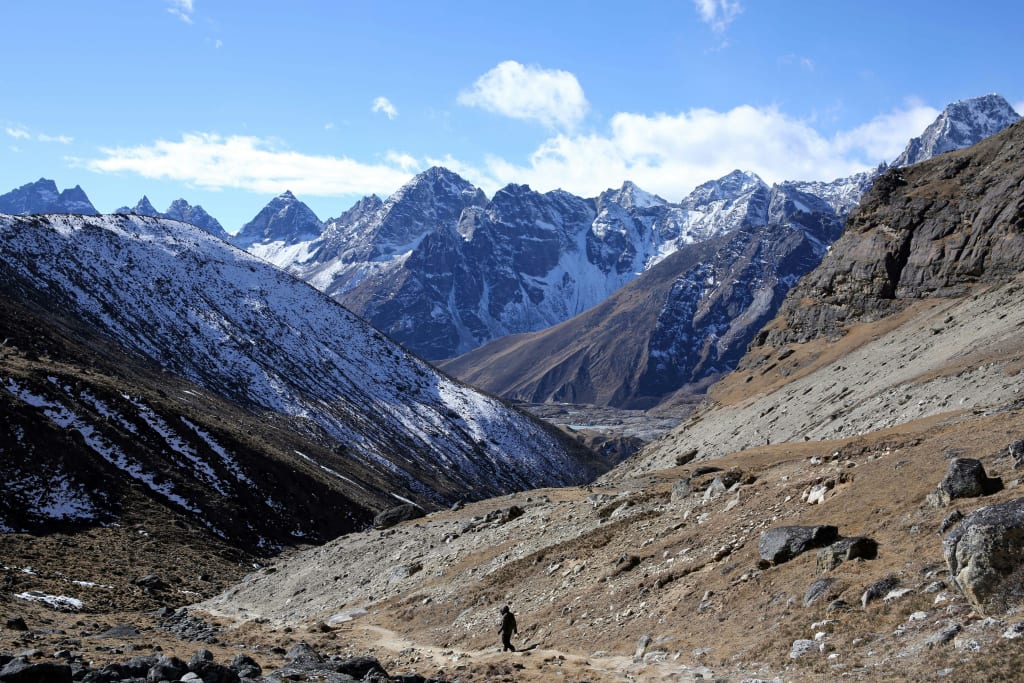
The Everest Three Pass Trek difficulty is often described as one of the most intense and demanding among all trekking routes in Nepal. This incredible journey takes trekkers through the Everest region while crossing three major high-altitude passes—Kongma La (5,535m), Cho La (5,420m), and Renjo La (5,340m). While it offers breathtaking Himalayan views and a deep dive into Sherpa culture, it also requires strong physical fitness, mental endurance, and careful acclimatization. This trek is not for the faint-hearted, but for those prepared, it is one of the most rewarding adventures in the world.
What Makes the Trek So Challenging?
The Everest Three Pass Trek is not a regular walk in the mountains. It combines the challenges of long trekking days, steep climbs, icy paths, and extreme altitude. Unlike the standard Everest Base Camp trek, this route loops through remote valleys, high passes, and rugged terrain, making it physically and mentally demanding.
The trek usually takes around 18 to 21 days to complete. It covers a large circuit that includes Everest Base Camp, Gokyo Lakes, and the three high passes. These passes are all over 5,000 meters, which means trekkers will spend several days at high altitudes where the air is thin, and the weather can be unpredictable.
Physical Fitness Requirements
One of the biggest aspects of the Everest Three Pass Trek difficulty is the physical demand. Trekkers need to walk for 6 to 9 hours a day, often climbing steep trails and descending sharp slopes. Some days include tough ascents over snow or ice-covered paths, particularly while crossing the passes.
It’s important to train your body before attempting the trek. Cardiovascular fitness is essential, as well as strength in your legs and core. Training hikes, running, or stair climbing for a few months before the trek can make a big difference. While you don’t need to be an athlete, having solid fitness and good endurance will make the journey more manageable and enjoyable.
High Altitude: The Main Challenge
Perhaps the greatest obstacle of the Everest Three Pass Trek is the high altitude. The trek spends many days above 4,000 meters, and all three passes rise above 5,000 meters. At these heights, oxygen levels are much lower than at sea level, making every step more difficult.
Altitude sickness is a real risk. Symptoms include headaches, nausea, fatigue, dizziness, and in more serious cases, difficulty breathing and loss of coordination. To avoid this, trekkers must follow a proper acclimatization schedule. Most itineraries include rest days at Namche Bazaar and Dingboche, allowing your body to adjust gradually to the altitude.
Drinking plenty of water, avoiding alcohol, and listening to your body are essential. Climbing too fast or ignoring signs of altitude sickness can lead to dangerous conditions like Acute Mountain Sickness (AMS), which may require immediate descent.
Technical Terrain and Trail Conditions
Another factor adding to the Everest Three Pass Trek difficulty is the technical nature of some sections of the trail. While it is not a mountaineering expedition, the trek includes challenging terrain that requires sure-footedness and caution.
Crossing Kongma La involves trekking over scree and boulders, and during snowy conditions, the trail can be difficult to find. Cho La is often considered the most difficult of the three passes, with its glacier crossing and steep ascent and descent. Renjo La, though slightly less steep, can be icy and slippery, especially in colder months.
Good trekking boots, trekking poles, and proper layering are essential for safety and comfort. While no advanced climbing skills are needed, confidence in navigating snow and ice can be very helpful.
Weather and Temperature
Weather is another unpredictable factor that affects the difficulty of this trek. Even during the best trekking seasons—spring (March to May) and autumn (September to November)—temperatures can drop below freezing at night. Snowfall or strong winds can make the passes risky or even impassable.
The high altitude means the sun is strong during the day, but temperatures can drop rapidly in the evening. Proper gear, including thermal clothing, a warm sleeping bag, waterproof jackets, gloves, and a good hat, are necessary for protection against the cold.
In the winter months, heavy snowfall can block the passes entirely, making the trek dangerous. During the summer monsoon season (June to August), trails can be wet and muddy, with poor visibility and risk of landslides.
Mental Strength and Endurance
Besides physical readiness, mental strength plays a crucial role in completing the Everest Three Pass Trek. Long days, high altitude, physical fatigue, and cold conditions can wear down even experienced trekkers. Keeping a positive mindset, staying patient, and being ready to adapt to changing conditions are just as important as physical training.
Unlike more popular routes, the Three Passes trail takes you through quieter and more remote areas. That sense of isolation can be deeply rewarding, but it also means fewer comforts and support services. Trekkers should be mentally prepared for basic lodges, limited food options, and simple facilities.
Is It Worth the Challenge?
Despite the high Everest Three Pass Trek difficulty, the rewards are immense. The trek offers some of the most incredible views in the entire Himalayas. You’ll see Everest, Lhotse, Nuptse, Ama Dablam, Makalu, and Cho Oyu from different angles. The turquoise Gokyo Lakes, remote mountain valleys, Sherpa villages, and Buddhist monasteries add beauty and culture to the journey.
Finishing the Three Passes Trek is a major accomplishment. It pushes you physically and mentally, and leaves you with unforgettable memories of the world’s highest mountains. Many trekkers consider it the best and most complete trek in the Everest region.
Conclusion
In summary, the Everest Three Pass Trek difficulty is high and should not be underestimated. With long days, extreme altitude, tough terrain, and unpredictable weather, it presents a serious challenge even for seasoned trekkers. But with the right preparation, good gear, a proper acclimatization plan, and a determined mindset, it is absolutely achievable.
For those looking for a real Himalayan adventure that goes beyond the ordinary, the Everest Three Pass Trek is an excellent choice. The journey is hard, but the views, experience, and sense of achievement are truly unmatched.
About the Creator
Keep reading
More stories from Alice Jenkins and writers in Journal and other communities.
Chase the Dream of the Himalayan Summit
In the heart of Nepal's majestic Everest region, Island Peak is also known as Imja Tse that offers an extraordinary climbing experience that attracts adventurers from around the globe. Rising 6,189 meters above sea level, Island Peak offers the perfect balance between the beauty of the Himalayas and the thrill of mountaineering. It’s not just a challenge for seasoned mountaineers but also an achievable goal for those seeking their first serious climb. The combination of stunning scenery, rich cultural experiences, and the excitement of summit day makes Island Peak climbing a truly unforgettable adventure.
By Alice Jenkins9 months ago in Journal
Large Protests Against Donald Trump’s Policies Continue — Why the Movement Keeps Going Viral
Across major cities in the United States and Europe, large-scale protests tied to Donald Trump’s policies and political influence continue to dominate headlines and social media timelines. From packed city squares to viral protest signs, livestreams, counter-demonstrations, and trending hashtags, the story refuses to cool down.
By Omasanjuwa Ogharandukun5 days ago in Journal
Autonomy Is The Real Privilege
Good morning, freedom-seekers! Today we’re gonna be looking at autonomy. A strange word, I know; one many would probably look at blankly and run away from on sight. We’re gonna figure out what it actually means, consider how it’s achieved, and decipher just how deeply most of us are tangled up in dependence without realising it.
By That ‘Freedom’ Guy7 days ago in Humans



Comments
There are no comments for this story
Be the first to respond and start the conversation.