
Chase the Dream of the Himalayan Summit
Chase the Dream of the Himalayan Summit
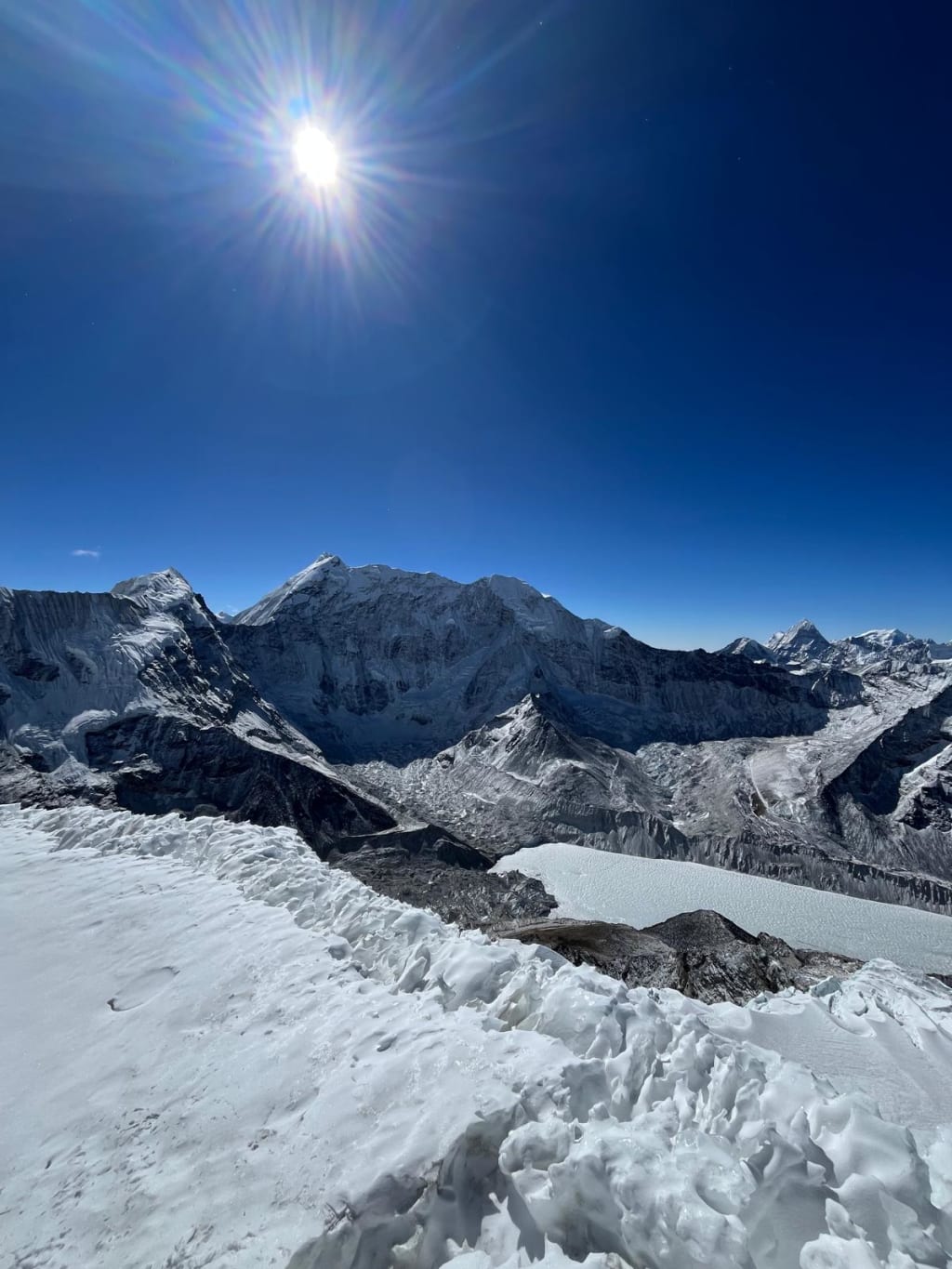
In the heart of Nepal's majestic Everest region, Island Peak is also known as Imja Tse that offers an extraordinary climbing experience that attracts adventurers from around the globe. Rising 6,189 meters above sea level, Island Peak offers the perfect balance between the beauty of the Himalayas and the thrill of mountaineering. It’s not just a challenge for seasoned mountaineers but also an achievable goal for those seeking their first serious climb. The combination of stunning scenery, rich cultural experiences, and the excitement of summit day makes Island Peak climbing a truly unforgettable adventure.
Why Island Peak?
Island Peak is one of Nepal's most popular climbing peaks. It stands out because it provides a real mountaineering experience without requiring the extensive technical skills that climbs like Everest or Makalu demand. While it is challenging, Island Peak is accessible to climbers who are in good physical condition and have basic mountaineering experience. For many, it serves as a stepping stone toward higher, more technical peaks, but it’s rewarding in its own right.
The journey to Island Peak begins with a scenic trek through the Khumbu Valley, allowing climbers to experience Nepal’s rich Sherpa culture. As you ascend, you’ll pass through quaint villages, see breathtaking mountain views, and witness life at high altitudes. The climb itself involves navigating glaciers, crossing crevasses, and ascending steep, icy slopes, offering the right mix of difficulty and exhilaration.
The Route to Base Camp
The adventure starts with a flight to Lukla, known for its thrilling, short runway and spectacular mountain views. From Lukla, the trekking begins. The route follows the well-known Everest Base Camp trail, but with a twist. Instead of just heading straight to Everest, climbers on the Island Peak route will take detours through beautiful Sherpa villages like Namche Bazaar, Dingboche, and Tengboche.
Namche Bazaar is the bustling heart of the Khumbu region, where you’ll encounter local markets, cafes, and a great opportunity to acclimatize. The village is a hub for trekkers and climbers alike, offering a glimpse into Sherpa culture and hospitality. It's a place to rest, enjoy the views, and prepare for the journey ahead.
From Namche, the trail continues higher, through alpine meadows and rugged terrain, passing by ancient monasteries, colorful prayer flags, and distant snow-capped peaks. Eventually, you reach Island Peak Base Camp, located at an altitude of 5,100 meters. This marks the beginning of the climb. Each night, you sleep under the stars in camps with views of towering peaks that seem to touch the sky.
Preparing for the Climb
Climbing Island Peak is not something to take lightly. While it doesn't require expert mountaineering skills, it still demands physical fitness, mental resilience, and some basic knowledge of climbing techniques.
Physical Fitness: Success on Island Peak starts with preparation. Prior to the trek, it's crucial to be in good physical shape. Focus on improving your endurance, strength, and cardio fitness. Regular hiking and cardio workouts will prepare your body for long days on the trail. Strength training is also essential to build core and leg strength, which will help you navigate tough, icy sections of the climb.
Climbing Skills: While the technical aspects of climbing Island Peak aren't extreme, you will need to be familiar with using mountaineering tools like crampons, ice axes, and ropes. On the final ascent, you'll need to traverse glaciers, cross crevasses, and climb a steep ice wall near the summit. For those with little experience, most guided expeditions provide a training day at Base Camp where you’ll learn the necessary climbing skills under the guidance of experienced mountaineers.
Mental Toughness: High-altitude trekking and climbing can be mentally challenging. The thin air and long days at high altitudes can make the journey feel exhausting. It's important to maintain a positive mindset, stay patient, and listen to your body. The mental resilience needed to climb Island Peak is just as important as physical strength.
The Summit Push
The climb to the summit is an exciting but demanding part of the journey. The final summit day usually starts early in the morning, often around midnight or 1 AM. Climbers begin under the stars, with headlamps guiding the way. The first part of the climb is over glaciers, followed by a steep ascent up the ice wall. The ice wall, which is around 300 meters high, is the crux of the climb and requires climbers to use fixed ropes and specialized equipment.
For most climbers, the hardest part of the climb is getting through this near-vertical section. However, with the guidance of experienced guides and the right gear, it is manageable. Once at the top, you are rewarded with one of the most spectacular views on earth. Everest, Lhotse, Makalu, Ama Dablam, and other towering peaks surround you, giving a 360-degree view of the Himalayas.
Standing on the summit of Island Peak is a moment of pure triumph. The effort, the challenges, and the climb itself all come together in that single moment of victory. The sense of accomplishment that comes with reaching the top of a 6,000-meter peak is unmatched, and it’s a feeling that climbers remember for the rest of their lives.
Cultural and Natural Wonders
Beyond the climb itself, the journey to Island Peak offers a rich cultural experience. The Sherpa people, who call the Khumbu region home, are known for their warmth and hospitality. Villages like Dingboche and Tengboche give you a glimpse into the traditional way of life in the Himalayas. The Buddhist monasteries in the area are peaceful places where you can stop, reflect, and enjoy the serene atmosphere.
The region is also home to a variety of unique wildlife, including yaks, Himalayan tahr, and colorful birds. The flora and fauna around Island Peak are as diverse as the mountains themselves, from alpine meadows to rocky outcrops covered with moss and lichen.
Respecting the environment and the local people is essential. As you climb, it’s important to leave no trace, keeping the region as pristine and beautiful as it has been for centuries.
Planning Your Trip
When planning your trip to Island Peak, timing is key. The best times to climb are in spring (March to May) and autumn (September to November). These seasons offer clear skies, mild weather, and the best views. In the winter months, the weather can be too cold, and the trail is often covered in deep snow. The summer monsoon season brings rain and cloud cover, which can make the trek dangerous and less enjoyable.
Most guided trips to Island Peak take between 14 and 18 days, including acclimatization days and extra time for unforeseen delays. The cost of the trip generally ranges from $2,500 to $4,000, which covers permits, guides, porters, and equipment. A valid Nepal visa and travel insurance (covering high-altitude trekking) are necessary.
Why It’s Worth It
Climbing Island Peak is a once-in-a-lifetime experience that offers a perfect mix of adventure, cultural immersion, and natural beauty. Whether you’re looking for a challenge, a chance to experience the Himalayas up close, or an opportunity to summit a mountain, Island Peak delivers. It’s a journey that pushes you to your limits while providing unforgettable memories that will stay with you forever.
If you’re ready for the adventure of a lifetime, Island Peak is waiting. Step into the world of the Himalayas and make your mountaineering dreams come true.
About the Creator
Keep reading
More stories from Alice Jenkins and writers in Journal and other communities.
A Real Himalayan Adventure
Nepal is home to many beautiful trekking routes, but only a few offer a full Himalayan experience. Some trails go to Everest Base Camp. Others lead to quiet lakes or hidden valleys. The Everest three pass trek gives you all of these in one amazing journey.
By Alice Jenkins9 months ago in Journal
9,000 dollars for a BTS Ticket?!
I need to rant. What is pissing me off is these scalpers online buying tickets and doubling the amount just for people to buy it for the double price. I do not know what is the reason behnd that ,but I promise you... none of that makes sense. Here's why I'm saying this. I'm saying this cause this happened to me again about BTS and trying to get tickets to go . I promise you it's like really frekaing irritating when you are trying to get them and you get outed by jackasses ( scalpers ) that want to double the price like it's a fucking Knicks game.
By Erica Williams3 days ago in Journal
🅼🅸🅳🅽🅸🅶🅷🆃 🆂🅽🅰🅲🅺🆂
"It's 10 in Tuscon! We all know what that means... It's Time for Midnight Snacks with your man, Gerald Gee! Ready to spend the night together? Me too! I'm full of snacks and can't wait to regurgitate them all back into your hungry ears. Crack a brew! Pop some corn! Anything to get ready for one hell of a show where the talk maybe cheap but the words cut deep...
By Lamar Wiggins4 days ago in Fiction




Comments
There are no comments for this story
Be the first to respond and start the conversation.