
Essential Drone Bearings for Media and Film Production
Explore essential drone bearings used in media and film production to support smooth flight, stable cameras, and reliable performance.

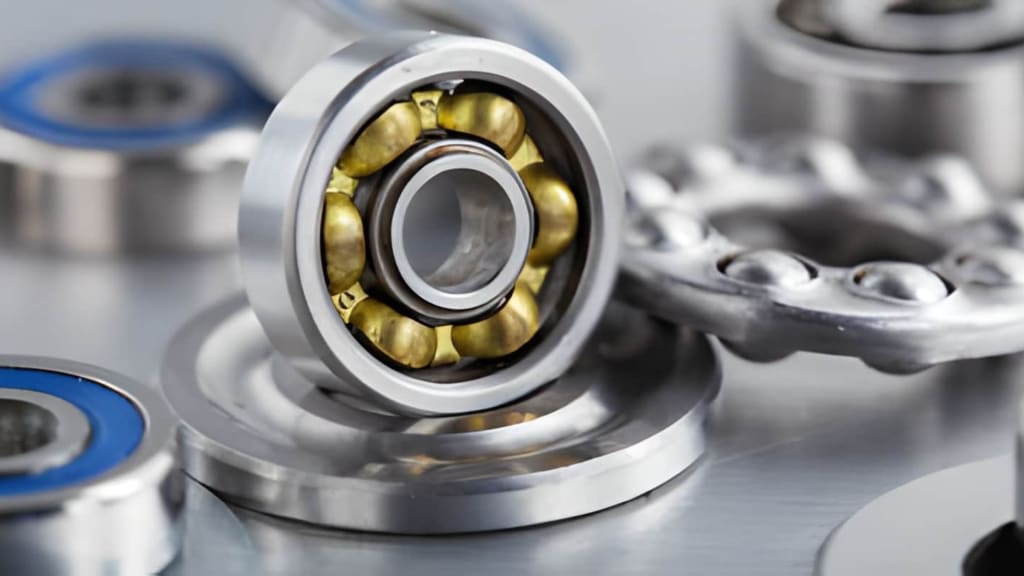
From small quadcopters for nimble shots to large octocopters carrying cinema-grade cameras, drones are now a core part of a creative toolkit in modern media and film production. They enable filmmakers to capture sweeping aerial shots, dynamic action sequences, and cinematic angles that would once have required cranes or helicopters. For all these smooth operations, one critical component is "bearing".
Bearing manufacturers supply small yet essential components that enable drones, motors, gimbals, and other moving components to operate with precision. The right bearings are crucial not just for keeping the drone airborne but for delivering the silky, shake-free footage filmmakers demand.
Knowing how different bearings work makes a big difference in your drone's life and steady flight, especially when it is under constant load.
The Role of Bearings in Drone Performance
Drone bearing types play a critical role in flight performance, especially when drones carry heavy or high-value camera equipment.
1. Dependability
Cinematography drones carry expensive equipment. If a bearing in the motor or gimbal fails mid-flight, it could result in a crash or ruined footage. Using a high-quality, precision-engineered drone designed to handle high speeds, heavy loads, and prolonged use ensures filmmakers can rely on it for multiple takes without unexpected interruptions.
2. Steady, Shake-Free Shots
Vibration can ruin a perfect shot. Low-friction bearings help reduce wobbling in the drone’s motors and camera gimbal. When the propellers spin smoothly, the drone remains stable, the gimbal keeps the camera steady, and clear, shake-free footage is produced even in windy or fast-moving scenes.
3. Low-Noise Performance
In filmmaking, capturing clean audio is just as important as getting great visuals. Propellers make more noise, but bad bearings whine or grind. Good ones stay quiet, so the drone does not mess up film shots.
4. Strength and Balance
Film drones carry heavy equipment such as cameras, lenses, and gimbals. Bearings must handle both side loads and forward pressure to keep the drone stable. Using the appropriate bearing type in heavy-lift areas, such as propeller shafts, gimbal pivots, and landing gear, helps ensure the drone can manage the load without misalignment or excessive wear.
5. Optimized Performance
Drones' battery life is limited. Bearings with minimal friction allow motors to spin freely, reducing energy loss and heat, improving overall efficiency, extending flight time, and increasing payload capacity. Lightweight bearing options, such as hybrid ceramic or thin-section designs, can further reduce weight, thereby extending flight endurance and improving effortless operation.
Where Bearings Are Used in Filmmaking Drones
To better understand their importance, it helps to know where bearings are located within a drone:
1. Motors: Support high-speed rotation of propeller shafts
2. Gimbals: Enable slow, precise camera movement
3. Propeller hubs: Maintain alignment under thrust
4. Landing gear and folding arms: Absorb shock and ensure smooth deployment
Each location places different demands on the bearing, which is why multiple types are used in a single drone.
Common Types of Bearings in Media Drones
Drones used in filmmaking employ different types of bearings, each designed for a specific application. Knowing how they work helps choose the right ones for better stability, strength, and smooth operation.
1. Ball Bearings (Deep Groove)
Deep-groove ball bearings are the most common type used in drones. They are compact, lightweight, and capable of handling both radial and moderate axial loads. Common applications include:
- Motor shafts and propeller hubs
- Camera gimbals
- Folding arms and hinge mechanisms
Their low-friction design supports high RPMs, reduces heat, and ensures efficient rotation. Thin-section ball bearings are often used in gimbal pivots where space and weight are limited.
2. Roller Bearings (Tapered or Cylindrical)
When a higher load capacity is required, roller bearings are used.
1. Tapered roller bearings can handle combined radial and axial loads.
2. While Cylindrical roller bearings manage heavy radial loads.
They are commonly found in:
- Heavy-lift drone propeller shafts
- Gimbal pan axes carrying large cameras
- Landing gear mechanisms
Although larger and slightly heavier than ball bearings, roller bearings offer greater strength and durability in critical areas that experience significant stress.
3. Ceramic Bearings (Hybrid Ball Bearings)
Hybrid ceramic bearings feature ceramic balls with metal races. They are lighter than steel, reduce friction, run cooler, and resist corrosion. Key benefits include:
- Improved motor efficiency
- Reduced vibration and noise
- Longer service lifespan
These bearings are ideal for high-performance drones used in long filming sessions or challenging environments.
4. Angular Contact Bearings
Angular contact bearings are designed to support both radial and axial loads and are often installed in matched pairs. Their stiffness and precision make them suitable for:
- Heavy gimbal pivots
- Main rotor shafts on large drones
- Tilt mechanisms requiring precise alignment
Proper installation and preload are essential to ensure optimal performance.
5. Thrust Bearings
Thrust bearings are designed for axial loads only to prevent unnecessary wear on other components and are used for the following.
- Propeller assemblies to absorb upward thrust.
- Vertical gimbal shafts supporting the camera weight
- Folding arms or swivel mounts under pressure
By efficiently handling vertical loads, thrust bearings help maintain smooth rotation and extend component life.
Choosing the Right Bearings for Reliable Film Production Drones
Bearings may be small components, but they are often overlooked in drone discussions, yet their impact on filmmaking drones is significant. From motor performance to camera stability, the right bearing choices directly influence flight control, efficiency, and footage quality.
Understanding how drone bearings improve efficiency and reliability helps filmmakers and drone operators reduce technical risks and stay confident during demanding shoots. By partnering with an experienced bearing manufacturer and selecting components suited to each application, drones can be optimised for longer flight times, improved control, and consistently cinematic results.
In modern film production, attention to these details ensures every aerial shot meets the high standards audiences expect.
About the Creator
Which Type of Plastic Yields the Highest Oil Output During Pyrolysis?
Plastic waste is a growing environmental challenge, and one of the promising methods for managing this waste is pyrolysis. Pyrolysis involves heating plastic to high temperatures in the absence of oxygen to break it down into smaller molecules, producing valuable by-products such as oil, gas, and solid residues. However, not all plastics yield the same amount of oil during the pyrolysis process.
By Bestonpyrolysisabout an hour ago in Journal


Comments
There are no comments for this story
Be the first to respond and start the conversation.