
Enhancing Delivery Operations for Logistics Companies
Explore the challenges logistics companies face in delivery operations and what strategies they can use to enhance their delivery performance.

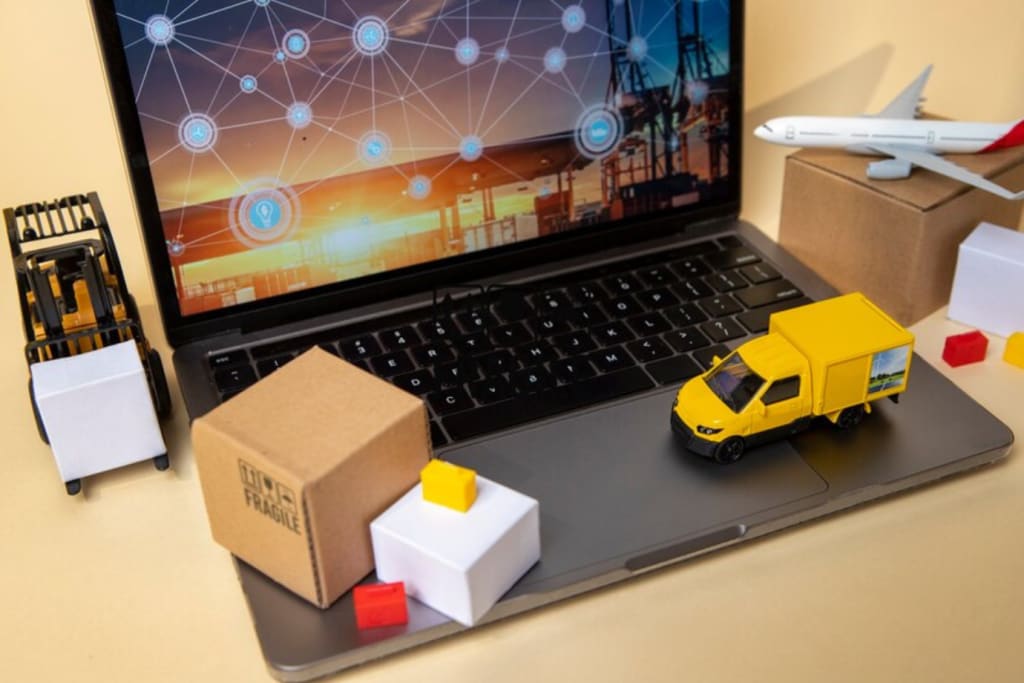
Logistics companies carry out diverse operations to gain delivery efficiency. However, delivery is not only about moving things from one point to another. For these businesses, delivering efficiently is all about balancing costs with customer satisfaction.
However, as customer expectations keep changing, logistics businesses find it difficult to deliver efficiently. Here, the right tools and a suitable plan of action help these companies get things around. Through this article, we will explore the challenges logistics companies face and strategies for delivery operations optimization.
Challenges in Logistics Delivery Operations

Logistics in the supply chain is an intrinsic aspect. A single delay or error can make things complex and affect delivery efficiency. Logistic companies face multiple difficulties in carrying out their operations, which may affect their delivery performance.
Let’s discuss these challenges in detail below:
Complications of Global Operations
When operating in multiple countries, companies juggle with different trade rules and customs regulations. They may also face random surprises like new tariff rates and natural calamities. These difficulties cause shipment delays and hamper delivery efficiency.
Inefficient Routing
If the business's planning methods are outdated or lack real-time data, drivers may take longer paths or get stuck in traffic. Such poorly planned delivery routes prolong time, waste fuel and other resources, and directly impact logistics delivery efficiency.
Rising Transportation Costs
Costs associated with fuel, vehicle repairs, and labor keep rocketing every other day. Miscellaneous expenses due to unexpected delays further add to these costs. These expenses shrink the company’s profits and make it hard to keep prices competitive without sacrificing quality.
Maintaining Delivery Efficiency
Balancing high-speed delivery with limited costs is a constant struggle in the logistics business. For higher customer satisfaction, companies must deliver quickly. However, they usually avoid rushing or updating efficient fleets due to budget constraints. This makes it essential to maintain a balance between efficiency and costs.
Meeting Customer Expectations
Customers continuously demand better services every time. They expect fast deliveries of untampered packages with real-time tracking. Companies failing to meet customers' expectations end up losing their trust and loyalty.
Strategies to Optimize Delivery Operations
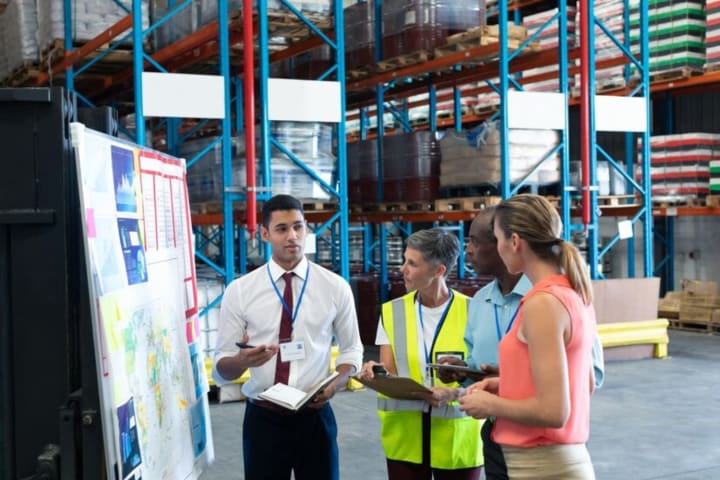
These challenges may sound troublesome at first. To overcome them, logistics companies can adopt smart strategies that streamline processes, boost visibility, and put customers first. Here are a few approaches to boost delivery performance.
Easy Pre-Delivery Checks
Ensuring packages are untampered with is essential for logistics businesses before they are out for delivery. Manual inspection takes time and may include a risk of errors. Pre-delivery inspection software proves a game-changer here. This software scans barcodes, checks quality, and flags problems right away. An organized inspection process helps businesses minimize returns and keep customers happy.
Maintaining Safety and Compliance
Companies must follow applicable safety regulations globally to avoid penalties and keep their teams safe. Track driver hours, check vehicle safety, and upgrade certifications periodically. It also helps to avoid accidents and optimizes delivery operations.
Improving Supply Chain Visibility
When teams have real-time visibility into shipment statuses, it’s easier for them to carry out operations smoothly. GPS trackers and cloud platforms provide real-time updates on package locations, conditions, and arrival times. This helps businesses fix issues fast, keep customers informed, and make shipment delivery organized.
Building Customer Satisfaction
Happy customers come back. Logistics companies should provide customers with clear arrival estimates and options like flexible delivery times. They should also communicate transparently with customers through the delivery tracking portals. For example, notifying customers of a 2-day delivery window helps them ensure availability and builds trust.
Minimizing Costs
Controlling operational costs is essential to improve logistics operations. Logistics companies can adopt strategies like route optimization to reduce expenses. This strategy optimizes delivery routes based on traffic patterns and delivery priorities, helping businesses cut fuel costs and boost profitability.
The Impact of Technology on Delivery Efficiency

The modern delivery operations are driven by advanced technology. Technologies like AI and automation have evolved how logistics companies handle their operations. Let’s understand how technology has upgraded logistics delivery efficiency:
Route Optimization Software: This software keeps a check on traffic, weather, and delivery schedules for teams. It ensures that delivery partners pick the quickest, cheapest routes. It allows logistics companies to save fuel, cut down on travel time, and deliver faster.
Pre-Delivery Inspection (PDI) Software: Getting packages with proper checks might be a chore for logistics teams. PDI software simplifies these tasks by streamlining the pre-delivery inspection process. It acts as an organizer for every pre-sale inspection and ensures quality standards. This software also integrates with companies’ existing warehouse systems and overcomes the need for multiple tools.
Delivery Tracking System: This software enhances visibility into shipping operations. Your teams can monitor the shipments, and customers can easily check delivery status, all in real time. It helps logistics businesses manage tight delivery deadlines and save costs.
Automated Warehousing: Robots and clever sorting machines work like the ultimate warehouse helpers and reduce manual processing. They work through orders, speeding things up from the moment someone places an order to when the package ships. It helps logistics businesses manage tight delivery deadlines and save costs.
AI and Predictive Analytics: AI-powered tools simplify resource allocation and ensure that all resources are used efficiently. Predictive analytics suggests to businesses when to schedule maintenance and helps prevent costly breakdowns.
Steps to Implement Delivery Optimization Tools

Logistics companies might find adopting new technology overwhelming. Here is a step-by-step plan for implementing tools for delivery operations optimization:
Evaluate Your Operations: Start by evaluating your entire logistics process to identify bottlenecks such as slow inspections and wasted routes. Go through data, including delivery times, fuel costs, and complaints filed by customers, to find weak spots.
Set Clear Goals: Companies should decide on what they want to achieve. Having specific and realistic goals is important to stay focused and helps measure achievements.
Choose the Right Tools: To address the underlying pain points in your operations, it’s essential to choose suitable tools. For example, if you struggle with routes, get a route optimization software, and to overcome quality issues, adopt a PDI software. Ensure that these tools sync well with your existing systems to avoid disruptions in the future.
Train Your Team: For efficient use of the tech tools, your teams must know how to use them properly. Provide your delivery partners, warehouse staff, and managers with hands-on training. Help them understand how tools like delivery tracking or PDI software make their jobs easier.
Test and Scale: When experimenting with new things, do not execute all of them at once. Try them on a small segment like a specific location or a department, and then scale eventually. Keep track of metrics like delivery speed, costs, and customer feedback to see what’s working. This not only prevents you from messing around but also ensures that you don’t invest more than what’s required.
Track and Improve: Use analytics to monitor how processes are performing. Listen to your team’s suggestions and evaluate customer feedback. As technology continuously evolves, keep yourself prepared to upgrade tools to maintain your delivery performance.
Conclusion
Logistics companies need to manage supply chains globally to ensure efficient operations. Such businesses should balance rising costs with ongoing customer demands to ensure profitability. This requires these companies to make pre-delivery inspections and improve their route optimization. Adopting technologies like PDI software and delivery tracking also helps these companies enhance their logistics delivery efficiency.
In addition to technology, what these companies need more of is balancing efficiency with a human touch. Technology can streamline processes, but it’s trust and reliability built between customers and your teams that make the difference. Starting small, making realistic goals, and improving continuously is what will drive your success.
About the Creator
Keep reading
More stories from Robert Wilson and writers in Journal and other communities.
Building a Scalable Warranty System for EV Manufacturers
The electric vehicle market is growing rapidly. With the growing demand for electric vehicles, EV manufacturers are increasing production more than ever. This growing demand also raises the volume of warranty claims coming to OEMs. However, EV manufacturers may find managing these claims challenging due to multiple factors.
By Robert Wilson9 months ago in Journal
Young “Love" Stories By Past Me
January 19, 2026: I think I was around my early or mid-20s when I wrote this. I’ve decided to not edit it. Thinking about past memories as I read my old writing is a weird experience. I just turned 33 years old a few days ago. I’ve grown so much since I wrote this. I would still like to have that true love, however my main focus is on myself and getting my life right. I hope you enjoy reading this.
By SharvaStudio6 days ago in Journal




Comments
There are no comments for this story
Be the first to respond and start the conversation.