
Emergency Dentist vs. Regular Dentist: What's the Difference?
Dentist
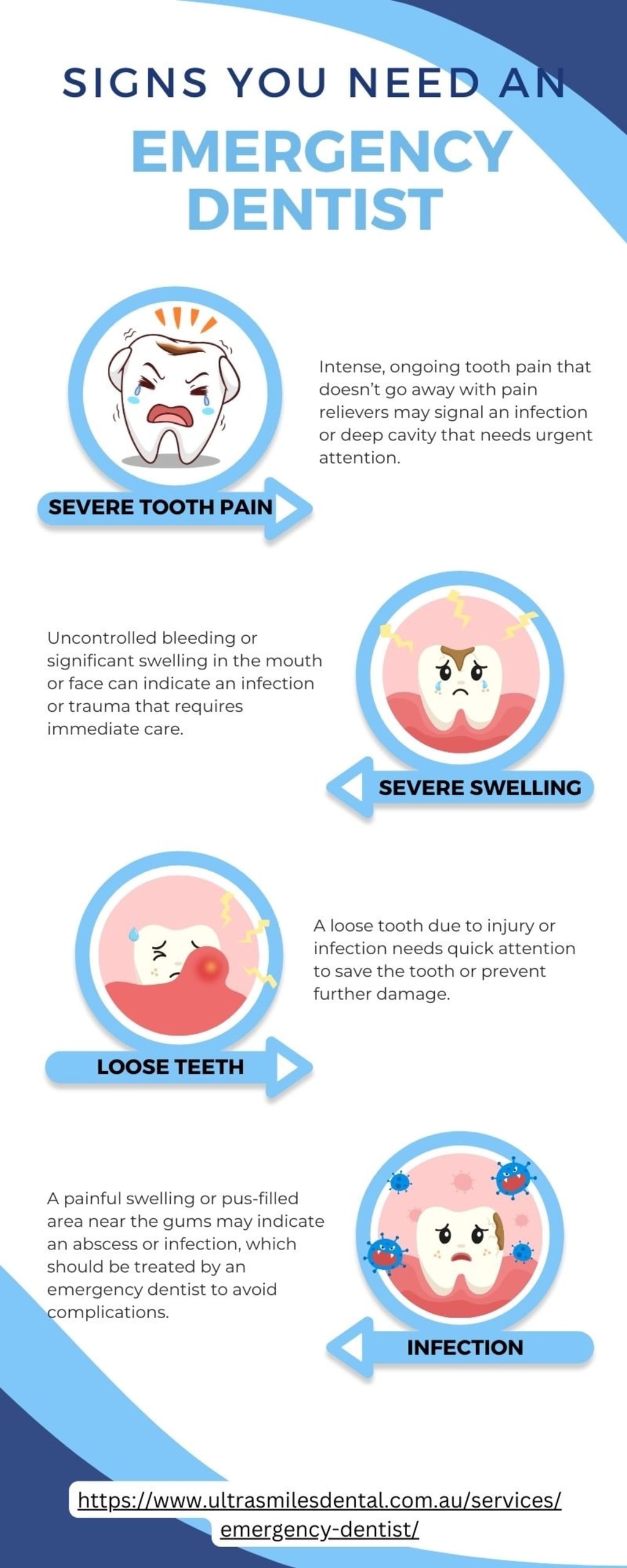
When faced with a dental issue, it’s essential to know where to turn for the right care. But what’s the difference between an emergency dentist and a regular dentist? While both provide essential dental services, they serve distinct roles in helping you maintain oral health. Regular dentists handle routine check-ups, preventive care, and scheduled treatments, while emergency dentists are there for urgent, unexpected dental problems that require immediate attention. Understanding the key differences between these two types of dental care can help you make the best choice when you’re in need, ensuring you receive prompt and appropriate treatment.
What is an Emergency Dentist?
An emergency dentist is a dental professional specifically equipped to handle urgent and unexpected dental issues that require immediate attention. Unlike regular dentists, emergency dentists are often available outside of typical office hours, including evenings, weekends, and even holidays. They provide swift care for sudden problems such as severe toothaches, broken or knocked-out teeth, abscesses, and oral injuries. Emergency dentists are trained to relieve pain, prevent further damage, and stabilize oral health until follow-up care can be provided. In critical situations, an emergency dentist can be the difference between saving or losing a tooth, making their role vital when a dental emergency strikes.
Key Differences in Services
While both regular and emergency dentists aim to protect your oral health, the services they provide differ. A regular dentist offers preventive and restorative care, addressing long-term dental health goals with scheduled treatments. In contrast, an emergency dentist focuses on immediate relief and urgent care, often without requiring a prior appointment. For example, a regular dentist may recommend fillings or cleanings, while an emergency dentist would treat a painful abscess or a chipped tooth that occurred unexpectedly. Understanding these service differences helps you know which type of dentist to visit depending on the situation.
When to Choose Each Type of Dentist
Deciding between a regular dentist and an emergency dentist depends on the nature of your dental issue. For routine exams, cleanings, and non-urgent treatments, scheduling an appointment with a regular dentist is ideal. However, if you experience severe pain, trauma, or sudden dental problems that cannot wait, reaching out to an emergency dentist is crucial. Knowing when to seek emergency dental care not only relieves pain quickly but also prevents complications that could impact your overall oral health.
Common Scenarios for Visiting a Regular Dentist vs. an Emergency Dentist
Understanding the types of scenarios suited for a regular dentist versus an emergency dentist can help you respond correctly in any dental situation.
Routine Check-Ups and Cleanings: Regular dentists are ideal for scheduled check-ups, cleanings, and preventative treatments. These visits help maintain good oral health, detect issues early, and provide personalized advice for daily dental care.
Minor Toothaches or Sensitivity: If you’re experiencing mild discomfort or sensitivity, a regular dentist can diagnose the cause, which may be due to a cavity or gum irritation. Scheduling an appointment with your regular dentist allows them to assess and treat these minor issues effectively.
Tooth Trauma or Severe Pain: For intense pain or trauma caused by an accident—such as a cracked, chipped, or knocked-out tooth—an emergency dentist is essential. Immediate treatment from an emergency dentist can alleviate pain, reduce the risk of infection, and increase the chances of saving the tooth.
Swelling or Infection: Severe swelling, signs of infection, or abscesses are urgent dental issues that require immediate care. An emergency dentist can provide antibiotics, drainage, and pain relief, preventing the infection from spreading further and potentially affecting your overall health.
Lost Fillings or Crowns: If a filling or crown falls out unexpectedly, it may expose sensitive areas of your tooth and lead to pain. Visiting an emergency dentist can help temporarily secure the restoration or relieve discomfort until your regular dentist can provide a permanent solution.
Knowing which type of dentist to approach based on these scenarios not only ensures timely care but also helps manage your oral health more effectively.
FAQs
What is the primary difference between an emergency dentist and a regular dentist?
The main difference lies in the types of care they provide and their availability. A regular dentist focuses on routine and preventive care, such as cleanings, exams, and scheduled procedures, while an emergency dentist is equipped to handle urgent, unexpected dental issues like severe pain, trauma, or infection that require immediate attention.
When should I see an emergency dentist instead of a regular dentist?
You should see an emergency dentist if you experience sudden, intense pain, a broken or knocked-out tooth, severe swelling, or any other dental issue that cannot wait. For non-urgent care, such as cleanings, fillings, or minor tooth sensitivity, it’s best to schedule a visit with a regular dentist.
Do emergency dentists accept walk-ins, or do I need an appointment?
Many emergency dentists accept walk-ins and provide same-day appointments to accommodate urgent situations. However, it’s always a good idea to call ahead if possible to confirm their availability and ensure you receive prompt care.
Can my regular dentist handle emergency situations if I can’t find an emergency dentist?
Some regular dentists may be able to address emergencies if you contact them during office hours, though their capacity to handle urgent cases is often limited compared to emergency dentists. For serious cases outside office hours, an emergency dentist or a dental clinic with emergency services is recommended.
Will seeing an emergency dentist cost more than visiting a regular dentist?
Emergency dental care can sometimes cost more than a regular visit due to the urgency, extended hours, and specialized services provided. However, many insurance plans cover emergency visits, so it’s best to check with your provider to understand the costs associated with emergency dental care.
About the Creator
Keep reading
More stories from Peter Mosis and writers in Journal and other communities.
How Can Advancements in 3D Printing Technology be Applied to Root Canal Procedures?
Advancements in 3D printing technology are revolutionizing various fields, including dentistry. One of the most exciting applications is its potential role in improving root canal procedures. Traditionally, root canal treatments have been intricate and time-consuming, requiring precision to ensure success. However, with the integration of 3D printing, dental professionals can create highly accurate models, custom tools, and guides tailored to each patient's anatomy. This technology not only enhances the precision and efficiency of root canal procedures but also reduces recovery time and improves patient outcomes. In this article, we’ll explore how 3D printing is reshaping the future of root canal treatments.
By Peter Mosisabout a year ago in Journal




Comments
There are no comments for this story
Be the first to respond and start the conversation.