
Discover the Hidden Wonders of the Everest High Pass Trek
Three High Passes, Endless Himalayan Wonders

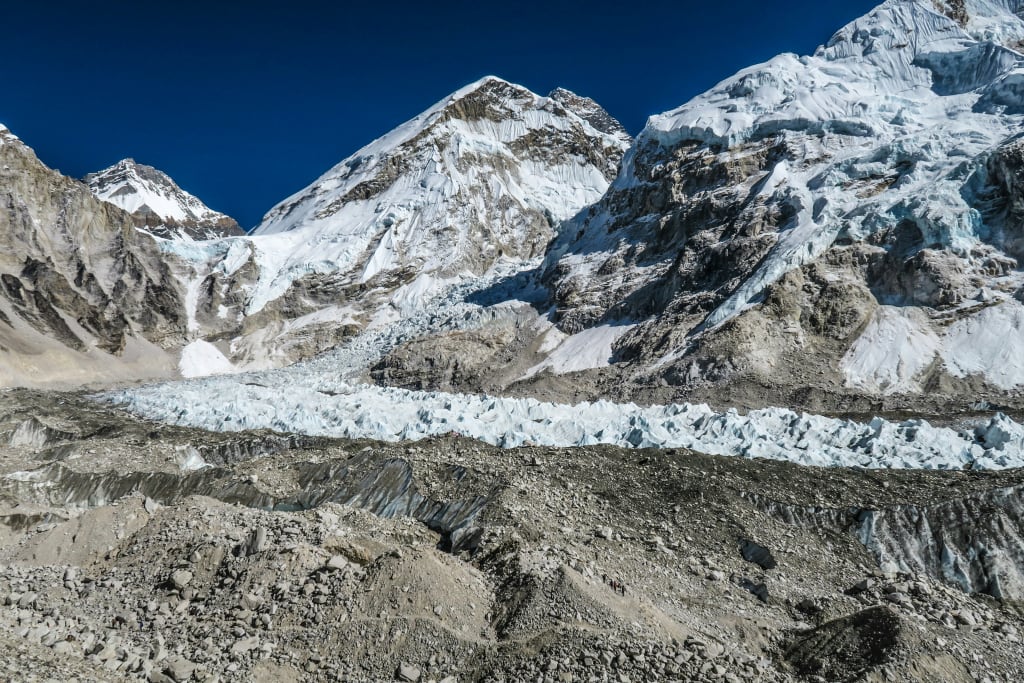
There is a trail in the Himalayas that promises adventure, awe, and memories that last a lifetime. The Everest Three High Passes Trek is one of the most thrilling journeys you can take in Nepal. It goes beyond the classic Everest Base Camp trek, taking you over three high passes, each offering incredible views, serene villages, and a chance to experience the heart of the Himalayas. If you are ready to discover hidden wonders, this trek is calling your name.
The Adventure Begins
The journey starts in Lukla, a small town with a famous airport that introduces trekkers to the adventure ahead. From here, the trail winds through rhododendron forests, sparkling rivers, and cozy Sherpa villages. The first few days are gentle, giving your body time to adjust while letting your eyes feast on the Himalayan scenery. Each step brings a new perspective, whether it is a distant snow-capped peak or a local child waving from the trail. Nights are spent in welcoming teahouses, where warm food, soft beds, and the camaraderie of fellow trekkers set the tone for the adventure ahead.
Crossing the Three High Passes
The real magic of the Everest Three High Passes Trek is crossing the high passes: Kongma La, Cho La, and Renjo La.
Kongma La Pass (5,535 meters) is the highest and most challenging. Standing above the clouds, you get sweeping views of Makalu, Lhotse, and Everest in the distance. The climb is tough, but the sense of achievement at the top is unforgettable.
Cho La Pass (5,420 meters) tests your endurance with icy paths and steep slopes. From this vantage point, Everest and Nuptse appear in an entirely new light, framed by glaciers and dramatic valleys.
Renjo La Pass (5,360 meters) provides a final breathtaking view of the turquoise Gokyo Lakes and surrounding peaks. The reflection of mountains in the lakes creates a scene so beautiful that it feels almost unreal.
Crossing these passes is not just a physical challenge—it is a mental and emotional journey. Each pass represents a milestone, a moment of triumph, and a chance to see the Himalayas from a perspective few people ever experience.
Trek Statistics
The Everest High Pass Trek is not for casual hikers, but the rewards are immense. Here are some important details:
Average Length: 18–21 days
Total Distance: 120–135 kilometers
Maximum Elevation: 5,535 meters at Kongma La Pass
The trek requires stamina, patience, and proper acclimatization. Daily distances range from 8 to 15 kilometers, depending on terrain and weather. Trekking steadily, resting at teahouses, and staying hydrated are essential for both safety and enjoyment.
Cultural Treasures Along the Trail
The villages along the trail are full of life and tradition. Sherpa communities welcome trekkers with warm smiles and stories of the mountains. Mani walls, prayer flags, and monasteries decorate every path, showing the spiritual connection the locals have with their surroundings. Visiting a small monastery, participating in a local festival, or enjoying a cup of butter tea with a Sherpa family brings the culture of the Himalayas to life.
This trek is not just about the mountains; it is about connecting with people and understanding a lifestyle that has thrived at high altitudes for centuries. Every village teaches patience, resilience, and harmony with nature.
Scenic Highlights
The Everest High Pass Trek is famous for its dramatic scenery. From every vantage point, the Himalayas reveal new surprises. You will see Everest, Lhotse, Nuptse, Ama Dablam, and Makalu from angles that few travelers ever witness.
The turquoise Gokyo Lakes shine against the white snow of surrounding peaks. Glaciers stretch down valleys like frozen rivers. The sunrise over high passes paints the mountains in fiery colors, while the night sky is filled with stars so bright that it feels as if the universe has come closer. Every view is a reward for the effort, and every photograph only captures a fraction of the real beauty.
Wildlife and Nature
While the trek is known for mountains, the natural environment is equally fascinating. You may spot Himalayan Thar, snowcocks, and colorful birds along the trail. Rhododendron and juniper forests fill the lower valleys, while alpine meadows bloom with rare wildflowers in spring. The landscape changes dramatically as you ascend, reminding trekkers how vast and diverse the Himalayas truly are.
Tips for a Successful Trek
Acclimatize Slowly: High passes are demanding. Take extra days to rest if needed.
Layer Up: Temperatures can drop below freezing, especially at night and on the passes.
Trekking Poles: These help with steep ascents and descents.
Stay Hydrated and Eat Well: Your body needs fuel to handle long days at altitude.
Pack Smart: Light layers, a good sleeping bag, and proper boots are essential.
The trek is challenging, but with preparation and a positive mindset, it becomes a journey of a lifetime.
Why This Trek is Special
The Everest Three High Passes Trek is more than a hike—it is a journey that pushes your limits while inspiring your soul. Few treks combine culture, natural beauty, and physical challenge like this one. You walk through history, meet extraordinary people, and witness mountains that have stood for millennia.
Standing on a high pass, above clouds and glaciers, gives a sense of achievement unlike any other. The trek teaches patience, resilience, and appreciation for the wonders of our planet. Every step is worth it, and every view leaves a memory etched in your heart.
Final Thoughts
If you are seeking adventure, beauty, and a chance to experience the Himalayas in a way few people do, the Everest High Pass Trek is your journey. With three high passes, breathtaking scenery, rich cultural encounters, and a sense of personal achievement, it is a trek that will stay with you forever.
Pack your backpack, lace your boots, and take the first step. The hidden wonders of the Everest region are waiting for you.
About the Creator
Keep reading
More stories from Olivia Flores and writers in Journal and other communities.
Experience the Magic of the Himalayas on the Langtang Valley Trek
Snowy peaks, lush green forests, and sparkling rivers create a world that feels like a dream. Walking through this enchanting landscape, every turn of the trail reveals a new surprise. The Langtang Valley journey offers trekkers a rare chance to explore the beauty and culture of Nepal while surrounded by the majestic Himalayas. From quiet villages to panoramic mountain views, this trek combines adventure, nature, and culture in a way that is unforgettable.
By Olivia Flores2 months ago in Journal
AI and the Erosion of the Middlemind.
Creative work once followed a stable curve. A few people produced elite work. Many people produced solid, competent output. A smaller group struggled. The middle carried industries. Designers, writers, editors, illustrators, and marketers filled this space. They earned steady income through reliable skill. AI is now reshaping this structure.
By Wilson Igbasi5 days ago in Journal
Wild Card Weekend Recap: What Happens Now?
I think I figured out why I love Wild Card Weekend so much. It's because it's the first playoff anything of the calendar year. The NFL season starts in the fall, and once upon a time, the champion was crowned either on or slightly before New Year's. The evolution of the NFL schedule has resulted in the playoffs starting just into the New Year, and currently, the final week of the season falls on the first weekend of the New Year, with Wild Card Weekend coming a week after that. So yes, chronologically, the NFL's Wild Card Weekend serves as the first playoff anything of the calendar year.
By Clyde E. Dawkins6 days ago in Unbalanced



Comments
There are no comments for this story
Be the first to respond and start the conversation.