
Cell Therapy Technologies: Revolutionizing the Future of Regenerative Medicine
Harnessing the Power of Living Cells to Heal, Restore, and Transform Modern Healthcare

Cell therapy technologies are redefining the boundaries of modern medicine, offering unprecedented potential to treat, manage, and even cure diseases that were once considered untreatable. By using living cells—engineered or modified to perform targeted functions—scientists are pioneering a new era in healthcare where the body’s own biological systems are the cornerstone of healing.
From oncology and neurology to orthopedics and cardiology, the integration of advanced cell-based therapies is driving innovation across diverse medical disciplines. These technologies are enabling the regeneration of damaged tissues, the repair of vital organs, and the modulation of immune responses—all aimed at improving patient outcomes and reducing dependency on conventional drugs and invasive procedures.
The Evolution of Cell Therapy Technologies
Cell therapy has evolved dramatically over the past two decades, transitioning from experimental research into a rapidly advancing field of therapeutic science. Early efforts focused primarily on bone marrow transplants, but today’s advancements encompass a wide range of techniques including stem cell therapy, immune cell therapy, and genetic modification of cells to enhance therapeutic precision.
Modern cell therapy technologies leverage breakthroughs in genomics, bioengineering, and biomaterials to produce highly specialized treatments. The introduction of CAR-T (Chimeric Antigen Receptor T-cell) therapy, for instance, has revolutionized cancer treatment by enabling immune cells to recognize and destroy malignant cells with remarkable specificity. Similarly, induced pluripotent stem cells (iPSCs) have opened new avenues for generating patient-specific cell lines without ethical concerns associated with embryonic sources.
These technological milestones have not only broadened the scope of therapeutic applications but have also accelerated the pace of clinical translation and personalized care.
Key Technological Innovations Driving Growth
1. Stem Cell Engineering and Regeneration
Stem cell technology lies at the core of regenerative medicine. By differentiating into various cell types, stem cells can replace damaged tissues and restore lost functions. Advances in 3D bioprinting, microfluidic platforms, and cell encapsulation have improved the precision, scalability, and efficiency of stem cell therapies.
Researchers are now using these engineered cells to repair spinal cord injuries, regenerate cardiac tissues post-heart attack, and restore vision in degenerative eye conditions. The fusion of biotechnology and tissue engineering is creating opportunities for functional organ regeneration—a long-sought goal in medical science.
2. Immunotherapy and Cellular Reprogramming
One of the most transformative developments in recent years is the emergence of cell-based immunotherapies. CAR-T and TCR (T-cell receptor) therapies exemplify how genetic reprogramming of immune cells can yield powerful, patient-specific cancer treatments. These therapies are tailored to each individual, providing a level of personalization that conventional chemotherapies cannot match.
Beyond oncology, researchers are exploring cellular immunotherapies for autoimmune diseases, viral infections, and even metabolic disorders. Continuous refinement in gene editing tools such as CRISPR-Cas9 is enhancing the precision and safety of these treatments, minimizing off-target effects and improving therapeutic outcomes.
3. Automation, Artificial Intelligence, and Digital Bioprocessing
The complexity of cell therapies requires sophisticated manufacturing systems that maintain product consistency, quality, and sterility. Automation and digitalization are addressing these challenges through closed-system bioprocessing, robotic handling, and AI-driven monitoring.
AI algorithms can analyze vast datasets to optimize cell culture conditions, predict cell behavior, and ensure reproducibility. The adoption of these smart manufacturing technologies reduces human error, increases scalability, and accelerates time-to-treatment—crucial factors in ensuring accessibility and affordability for patients.
4. Advanced Biomaterials and Delivery Platforms
Another critical advancement lies in the development of biomaterials that enhance the delivery and viability of therapeutic cells. Innovations such as hydrogels, nanofibers, and biocompatible scaffolds provide structural support and controlled release environments for implanted cells.
These delivery systems not only improve engraftment rates but also enable targeted therapy—ensuring that the right cells reach the right tissues at the right time. As a result, clinical outcomes are becoming more predictable, and potential side effects are being significantly reduced.
Applications Transforming Healthcare
Cell therapy technologies are influencing nearly every branch of medicine. In oncology, engineered immune cells are redefining cancer treatment paradigms. In neurology, researchers are developing stem-cell-based treatments for Parkinson’s disease, Alzheimer’s, and spinal cord injuries. In orthopedics, mesenchymal stem cells are being used to regenerate bone, cartilage, and muscle tissue, while cardiology is witnessing breakthroughs in heart tissue repair following myocardial infarction.
Furthermore, in dermatology and aesthetics, cell-based therapies are being utilized for skin regeneration, wound healing, and anti-aging applications. The integration of these innovations across multiple disciplines underscores the versatility and transformative potential of cell therapy technologies.
Challenges and Ethical Considerations
Despite remarkable progress, the widespread adoption of cell therapy technologies faces several hurdles. Manufacturing complexity, high production costs, and the need for rigorous quality control remain major challenges. Standardization of protocols is essential to ensure consistency and regulatory compliance.
Ethical considerations also continue to shape the field, particularly concerning genetic manipulation, consent for cell sourcing, and long-term patient monitoring. However, growing collaboration between regulatory agencies, academia, and industry stakeholders is facilitating the establishment of clear frameworks that balance innovation with patient safety.
Future Outlook: A New Era of Regenerative Healthcare
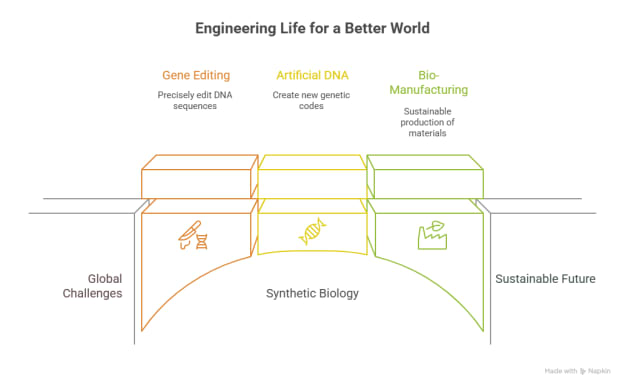
The future of cell therapy technologies is incredibly promising. The ongoing convergence of synthetic biology, gene editing, and computational biology will unlock new levels of precision and personalization in medical treatments. Scientists are now exploring the potential of allogeneic “off-the-shelf” cell therapies, which could make these treatments more accessible and cost-effective.
Moreover, the combination of AI-powered predictive modeling and next-generation sequencing is expected to accelerate the discovery of novel cell-based therapeutics. As these technologies mature, healthcare will shift from reactive treatment to proactive regeneration—transforming the way diseases are prevented, diagnosed, and managed.
Conclusion
Cell therapy technologies represent a profound leap forward in the pursuit of regenerative and personalized medicine. By harnessing the innate potential of living cells, these innovations are transforming therapeutic approaches from symptom management to complete tissue restoration.
As scientific understanding deepens and technological barriers continue to fall, cell-based therapies are poised to redefine the future of human health—turning once-impossible medical ambitions into achievable realities. The fusion of biology, technology, and data-driven innovation ensures that this transformative journey is just beginning, with limitless possibilities on the horizon.
About the Creator
Keep reading
More stories from Rachel Paul and writers in Journal and other communities.
Synthetic Biology: Redefining the Future of Life Sciences and Sustainable Innovation
Synthetic biology stands at the frontier of modern science, merging the principles of biology, chemistry, computer science, and engineering to redesign and construct new biological parts, systems, and organisms. Unlike traditional genetic modification, which merely alters existing genes, synthetic biology enables scientists to create entirely new biological components that can perform specific, programmable functions. From curing diseases to producing sustainable materials, this groundbreaking field is reshaping how we understand and utilize life itself.
By Rachel Paul3 months ago in Journal
8 Micro Behaviors People Notice During Stressful Moments.
Stress exposes patterns fast. People notice small actions before words. Researchers who study resilience focus on these signals because they predict recovery over time. You show these behaviors in meetings, conflicts, deadlines, and losses. Each one shapes trust, performance, and health.
By Wilson Igbasi2 days ago in Journal
Autonomy Is The Real Privilege
Good morning, freedom-seekers! Today we’re gonna be looking at autonomy. A strange word, I know; one many would probably look at blankly and run away from on sight. We’re gonna figure out what it actually means, consider how it’s achieved, and decipher just how deeply most of us are tangled up in dependence without realising it.
By That ‘Freedom’ Guy5 days ago in Humans



Comments
There are no comments for this story
Be the first to respond and start the conversation.