
Beyond Protection: Why Sexual Satisfaction Is the Missing Piece in Global Contraception
A new WHO study reveals that pleasure—not just prevention—drives contraceptive choices and consistency.

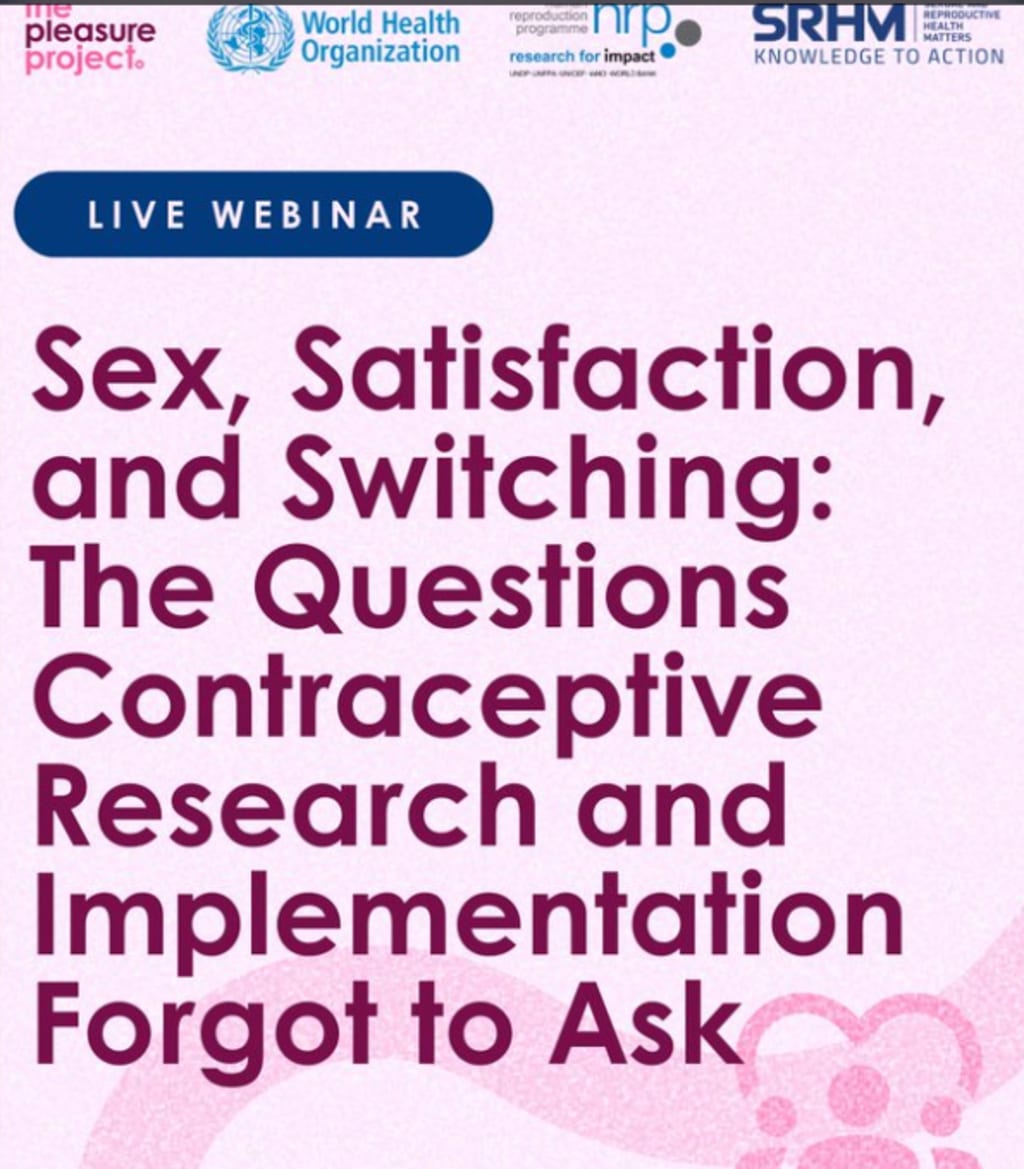
For decades, conversations about birth control have revolved around two themes: pregnancy prevention and disease protection. But a groundbreaking World Health Organization (WHO) study has just reframed that narrative, showing that sexual satisfaction—not just safety—is one of the most powerful motivators behind contraceptive use around the world.
According to the report, published in September 2025, people are far more likely to continue using contraception when it enhances, rather than hinders, their sexual pleasure and emotional connection. And when it doesn’t? Many stop using it altogether.
The findings mark a subtle but significant cultural shift: one that recognizes sex as an experience of well-being, not just a risk to be managed.
A Global Look at Intimacy and Choice
The WHO study surveyed more than 25,000 participants across 36 countries, covering a wide range of contraceptive methods—from pills and intrauterine devices (IUDs) to condoms and fertility tracking apps. Researchers asked participants not only about effectiveness and side effects, but also about sexual comfort, confidence, and pleasure.
The results were eye-opening.
Over 60% of respondents said they valued how contraception affected their sense of intimacy as much as its ability to prevent pregnancy. Meanwhile, nearly 40% admitted they had stopped using a particular method because it negatively impacted their sex life—reducing physical enjoyment, spontaneity, or emotional closeness.
“Sexual well-being is health,” said Dr. Maria Neira, WHO Director of Public Health and Environment. “If contraceptive methods interfere with sexual pleasure or connection, they won’t be sustainable, no matter how effective they are biologically.”
Why This Matters
For decades, sex education and public-health campaigns have focused almost entirely on risk: don’t get pregnant, don’t get infected. That message, while vital, has often overlooked the human side of sexuality—the emotions, sensations, and relationships that define how people experience sex.
By acknowledging pleasure as a health factor, the WHO is encouraging policymakers and healthcare providers to rethink how contraceptives are designed, prescribed, and discussed.
Experts say the data could influence future contraceptive innovation, pushing companies to develop products that prioritize both safety and sexual satisfaction. This might include thinner, more sensitive condoms; hormonal methods with fewer libido-related side effects; and counseling that integrates emotional and physical well-being.
Breaking the Taboo
Historically, global discussions around sexual health have shied away from pleasure, especially for women. But this study challenges that silence.
Dr. Saira Ahmed, a reproductive-health researcher in Pakistan, says the results could help normalize the idea that “women’s desire and enjoyment are not shameful—they’re essential parts of health.”
She adds that for many communities, especially where cultural or religious norms restrict open dialogue about sex, integrating pleasure into health education could empower people to make better, more informed choices about their bodies.
The shift isn’t just about promoting hedonism; it’s about recognizing balance. When individuals feel their sexual relationships are fulfilling, they’re more likely to use contraception consistently, communicate with partners, and seek regular health care.
Social Media & Cultural Reactions
Unsurprisingly, the study has sparked viral debate across social platforms. On X (formerly Twitter), users celebrated the WHO’s progressive framing with hashtags like #PleasureIsHealth and #SexualWellbeingMatters trending for several days.
Some praised the organization for finally “catching up to real life,” while others criticized it for promoting what they called a “pleasure-first” mindset. Still, even critics admit that the data highlights a long-ignored truth: sexual satisfaction plays a central role in both mental and physical health.
A New Conversation in Sexual Health
The implications of this research stretch far beyond policy. It could reshape how doctors talk to patients, how educators teach young people, and how societies define healthy relationships.
In countries like Sweden and the Netherlands—where comprehensive, pleasure-inclusive sex education is already common—contraceptive use remains high and unintended pregnancy rates are among the lowest in the world. The WHO hopes that insight will inspire similar educational reforms elsewhere.
The Bottom Line
The message of the WHO’s study is simple but profound: sex that feels good is also more likely to be safe. When people enjoy their sexual experiences, they take better care of their bodies, communicate more openly, and make healthier decisions.
Contraception, then, isn’t just about control—it’s about connection.
In the coming years, as governments, educators, and healthcare providers absorb this data, the future of sexual health may look less like a list of warnings—and more like an invitation to understand pleasure as a vital, legitimate part of well-being.
:
#SexualHealth #PleasureIsHealth #WHOStudy #Contraception #SexualWellbeing #PublicHealth #SexEducation #HealthInnovation #GlobalHealth
About the Creator
Shakil Sorkar
Welcome to my Vocal Media journal💖
If my content inspires, educates, or helps you in any way —
💖 Please consider leaving a tip to support my writing.
Every tip motivates me to keep researching, writing, sharing, valuable insights with you.
Keep reading
More stories from Shakil Sorkar and writers in Journal and other communities.
Apple’s iPhone Pocket: When Fashion Meets Function
Apple has once again surprised the world—this time, not with a new phone, but with a new way to carry it. The tech giant has partnered with renowned Japanese fashion label ISSEY MIYAKE to release the iPhone Pocket, a sleek knitted accessory designed to turn your iPhone into a wearable fashion piece.
By Shakil Sorkar4 months ago in Journal



Comments
There are no comments for this story
Be the first to respond and start the conversation.