
Beats Over Bombs: DJ Party in Saudi Arabia During Gaza Airstrikes Sparks Global Outrage
As Gaza reels from relentless airstrikes, a high-profile DJ party in Saudi Arabia ignites global debate over privilege, timing, and the ethics of celebration during crisis.
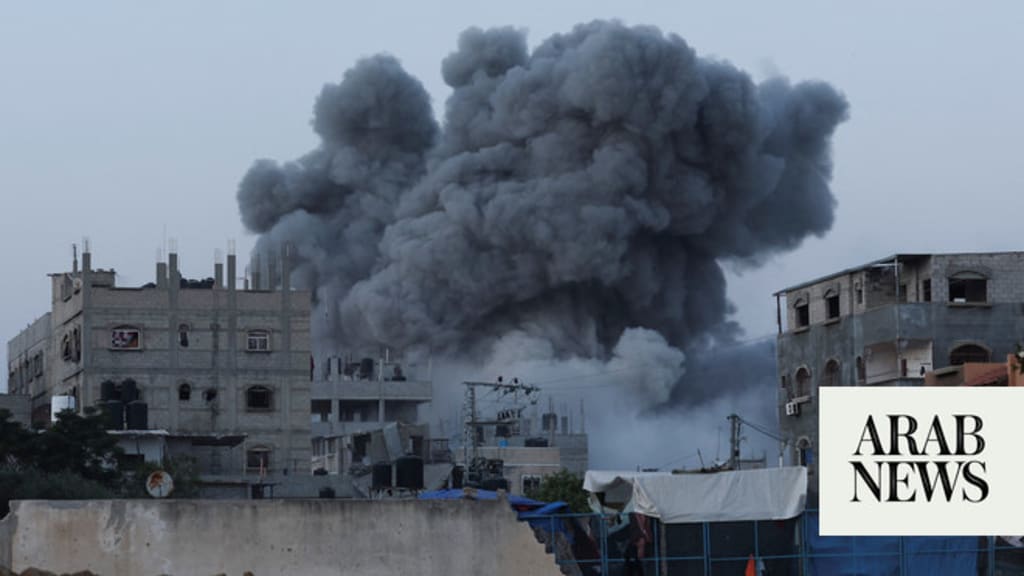
As airstrikes rain over Gaza and the daily body count of dead increases, another kind of storm raged online—not from the heavens above, but from the mouths of speakers at a lavish Saudi Arabian DJ bash. The disparity between the ugliness of what is occurring in Palestine and the partying in full swing in the Kingdom has triggered a storm of outrage, igniting worldwide debates about privilege, timing, and the deployment of entertainment amidst human crises.
A Night of Lights Amidst Darkness
The DJ party in question was part of a series of hit music parties hosted in Riyadh, featuring internationally renowned DJs, extravagant light shows, and thousands of revelers. Video from the party began circulating on TikTok, Instagram, and X (formerly Twitter), showing euphoric crowds dancing under neon lights as news feeds elsewhere captured horrific images of bombed buildings and crying children in Gaza.
Almost at a glance, the videos were lightning rods for criticism.
"What timeline are we on?" one Twitter user tweeted. "Kids in Gaza are dying, and influencers posting bottle service and beats like nothing's going on."
Since Saudi Arabia has invested the last few years heavily in entertainment, music festivals, and nights out as part of Vision 2030 modernization plans, critics say that the timing of such activities during times of regional unrest reflects a lack of sensitivity—or at least sheer indifference.
Social Media's Role in the Firestorm
Social media was where the argument played out. Hashtags **#GazaUnderAttack**, **#SaudiPartyWhileGazaBurns**, and **#BeatsOverBombs** began trending simultaneously.
Critics of the event attendees and organizers were accused of being "tone-deaf" and "complicit in distraction," with some also accusing influencers of hijacking the party as the setting for over-produced, glamour-focused content.
It's not if Saudi Arabia can party," Palestinian-American journalist Laila Mansour said. "It's about optics. How do you view videos of families buried under rubble, then decide tonight is the night to post a slow-motion video of champagne flowing to EDM drops?
But others dissented, saying that entertaining activities did not necessarily imply indifference. "People have the right to live their lives," one Saudi commentator said. "Do we need to put everything on hold every time there is a dispute?"
This excuse, however, did not go down well with many who thought that the scope and closeness of the crisis deserved a more restrained reaction.
The Politics of Silence—and Celebration
Saudi Arabia officially kept distance from Israel but inclined towards the axis of normalization subtly in the recent past. While the Kingdom strongly condemned Israeli responses in the wars of the past, now at this juncture too official Saudi discretion not to condemn is deafening over the DJ bash.
Others interpret such silence as the sign of greater cultural and political change in the region—where entertainment, soft power, and tourism are now being used as instruments of national branding, despite geopolitical turmoil.
"The party was not just a party," said Ahmed Al-Hakim, a professor of Middle Eastern politics. "It's part of a calculated image makeover of the Saudi image. But the unfortunate message that was sent out to the world was: image over integrity."
Where Do We Draw the Line?
This controversy has reopened a nastier, bigger debate: When is celebration off-limits? Can countries—or individuals—separate entertainment and ethics?
Historically, global disasters have meant cancellations of events or moments of silence as a symbolic expression of solidarity. In this case, there were no public mentions of the Gaza crisis at the party. No moments of silence. Just music, light, and celebration.
Critics say this is not only a PR error but also a moral failing—especially for a region that has historically claimed cultural and spiritual solidarity with Palestine.
“We aren’t asking for the world to stop spinning,” wrote one Palestinian user on Instagram. “But when our people are being massacred, maybe don’t spin the decks either.”
A Mirror to the World
The controversy also highlights the growing disconnect between digitally curated lifestyles and real-world consequences. In an era where tragedies unfold in real-time across our screens, the juxtaposition of luxury and suffering is more visible—and more jarring—than ever.
“It’s not just Saudi Arabia,” says cultural critic Nour El-Sayed. “It’s a global problem. From Coachella to Cannes, we’ve seen people dance while the world burns. But the closer the conflict, the sharper the sting.”
As things in Gaza continue to decline, so does the backlash against the way individuals and nations react—or fail to. For others, this Saudi bash for a DJ became more than just a case of misplaced priorities but a symbol of a world that's numbing itself to human tragedy.
Final Thoughts
In a world tugged in two directions between crisis and partying, one can't help but ask: Can there ever be a good time to party?
The answer, perhaps, is not simply yes or no. But if nothing else, the global outrage over the "Beats Over Bombs" moment has served to remind us that context is everything, and that empathy—even in the face of escapism—is never out of style.
About the Creator
Keep reading
More stories from Shahjahan Kabir Khan and writers in Journal and other communities.
AI Meets Art: The Cultural Revolution of Creative Technology
In an age where imagination was widely seen as the exclusive realm of human awareness, there is a new player in town: artificial intelligence. What was previously the exclusive territory of science laboratories and Silicon Valley behemoths is now transforming the world of visual art, music, performance, and even storytelling. Where artists and code converge, a revolution is brewing that turns centuries of assumptions about authorship, creativity, and originality on its head.
By Shahjahan Kabir Khan9 months ago in Journal
The goals I did not achieve
Every writing goal I made for the year is a wash. It has been this way for a while, but I think it's important to be open about my failures and the reality of how life can get in the way. This is especially true considering the several times I have posted on Vocal about my writing goals, how I was changing my approach, and where I was hoping to be for the upcoming year. I will probably do that again in a couple months, but for now, it is time to acknowledge where I am today.
By Kay Husnick24 days ago in Journal
Discover the Hidden Wonders of the Everest High Pass Trek
There is a trail in the Himalayas that promises adventure, awe, and memories that last a lifetime. The Everest Three High Passes Trek is one of the most thrilling journeys you can take in Nepal. It goes beyond the classic Everest Base Camp trek, taking you over three high passes, each offering incredible views, serene villages, and a chance to experience the heart of the Himalayas. If you are ready to discover hidden wonders, this trek is calling your name.
By Olivia Floresabout 10 hours ago in Journal




Comments
There are no comments for this story
Be the first to respond and start the conversation.