
Artificial Wombs Babies: Aliens Not Human
The Ethical Implication of Creating Life

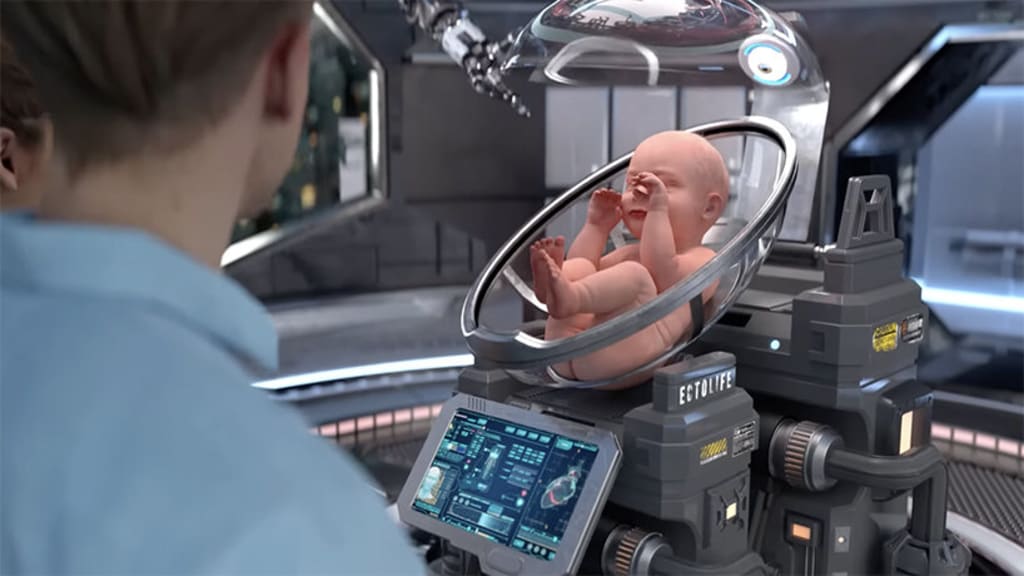
The idea of creating life outside the human womb has been a topic of scientific fascination and controversy for decades. The development of artificial wombs, or "ectogenesis," brings this idea closer to reality, raising important ethical questions about the nature of life and the role of technology in its creation. In this article, we explore the ethical implications of creating babies in artificial wombs and argue that such babies may be perceived as aliens rather than humans.
The Science of Ectogenesis
Ectogenesis, also known as artificial womb technology, involves growing and nurturing a fetus outside of the human body in a controlled environment. This technology has been the focus of scientific research for decades, with many breakthroughs in recent years.
The science of ectogenesis involves creating an environment that can simulate the conditions of a human womb. This requires precise control of temperature, humidity, and the level of oxygen and carbon dioxide in the environment. Researchers use various materials to create an artificial amniotic fluid that provides a nourishing environment for the fetus.
One of the major challenges in developing artificial wombs is ensuring that the fetus receives the necessary nutrients and oxygen to grow and develop. Scientists have experimented with different methods for providing these essential nutrients, including using a placenta-like device or an artificial umbilical cord.
Another challenge in the science of ectogenesis is ensuring that the fetus is protected from infection and disease. Researchers are developing various techniques to sterilize the environment and prevent the growth of harmful bacteria.
While much of the current research on artificial wombs has focused on animals, such as lambs and mice, there have been some successful experiments with human embryos. In 2017, researchers at the Children's Hospital of Philadelphia were able to grow premature human infants in an artificial womb for several weeks. Although this was a significant breakthrough, researchers noted that there is still a long way to go before artificial wombs can be used to grow full-term human babies.
Despite the challenges, the potential benefits of ectogenesis are numerous. It could offer a solution to infertility by providing an alternative to traditional IVF methods, and it could improve neonatal care for premature babies by providing a more controlled and nurturing environment. Ectogenesis could also reduce the risk of birth defects and minimize the risks to pregnant women from complications such as gestational diabetes and hypertension.
In addition to its potential medical benefits, artificial womb technology could have other applications. It could be used in animal husbandry to improve breeding and production of livestock. It could also be used to support the conservation of endangered species by providing a controlled environment for gestation and development.
In conclusion, the science of ectogenesis is a complex and fascinating field that has the potential to revolutionize reproductive medicine and neonatal care. While there are still many challenges to overcome, the advancements in this technology are promising, and we may soon see the first full-term human baby grown in an artificial womb. However, it is essential to carefully consider the ethical implications of this technology and ensure that it is developed and used in a responsible and ethical way.
The Potential Benefits of Ectogenesis
The potential benefits of ectogenesis are numerous. It could be a way of improving neonatal care for premature babies, reducing the risk of birth defects, and minimizing the risks to pregnant women from complications such as gestational diabetes and hypertension. Ectogenesis could also offer a solution to infertility by providing an alternative to traditional IVF methods.
The Ethical Implications of Ectogenesis
Despite the potential benefits, the development of artificial wombs raises significant ethical questions. One of the most pressing concerns is the status of babies grown in artificial wombs. Would they be considered human beings, or something else entirely?
There is a risk that babies grown in artificial wombs could be perceived as aliens rather than humans. This is because these babies would be created outside of the human body, and would not have the same connection to their mothers as babies born through traditional methods. This could lead to societal stigma and discrimination, similar to the way that IVF babies were initially treated with suspicion and even hostility.
Another ethical concern is the potential impact of ectogenesis on the traditional family structure. The idea of growing babies in artificial wombs could challenge traditional notions of motherhood and fatherhood, and raise questions about who has the right to create life and under what circumstances.
Moreover, ectogenesis raises concerns about the commodification of human life. If artificial wombs become widely available, it could lead to a situation where children are "manufactured" to meet certain criteria or fulfill specific desires, rather than being conceived naturally.
Conclusion
In conclusion, the development of artificial wombs is an exciting and groundbreaking area of research, but it also brings with it a range of ethical questions and concerns. The potential benefits of ectogenesis are clear, but it is important to carefully consider the implications of creating life outside of the human body.
It is essential to ensure that the technology is developed in a responsible and ethical way, with consideration for the potential impact on society and the individuals involved. This means addressing issues such as the status of babies grown in artificial wombs, the impact on traditional family structures, and the commodification of human life.
As we move forward with the development of this technology, it is crucial to have ongoing conversations about the ethical implications and to involve a range of stakeholders in decision-making processes. This includes scientists, ethicists, policymakers, and members of the public. By working together, we can ensure that the development of artificial wombs is guided by ethical principles and that we create a world in which this technology is used to improve lives and promote the greater good.
About the Creator
Muhammad Sarib Ali
Sarib is an experienced Content Writer with 5 years of experience in the CNet industry. He is a creative and analytical thinker with a passion for creating high-quality content and crafting compelling stories.
Keep reading
More stories from Muhammad Sarib Ali and writers in Journal and other communities.
Why Shopify is Flop Now
Shopify, the once-revered e-commerce platform, is now facing a serious downfall. Despite being one of the most popular e-commerce solutions in the market, Shopify is no longer the go-to platform for small businesses and entrepreneurs. In recent years, the company has lost its competitive edge due to the emergence of new and more powerful e-commerce platforms like Amazon and WooCommerce. This article explores the reasons why Shopify is losing its grip on the e-commerce industry and why small businesses should start exploring other options.
By Muhammad Sarib Ali3 years ago in Journal




Comments
There are no comments for this story
Be the first to respond and start the conversation.