
Why Shopify is Flop Now
The Downfall of the E-commerce Giant

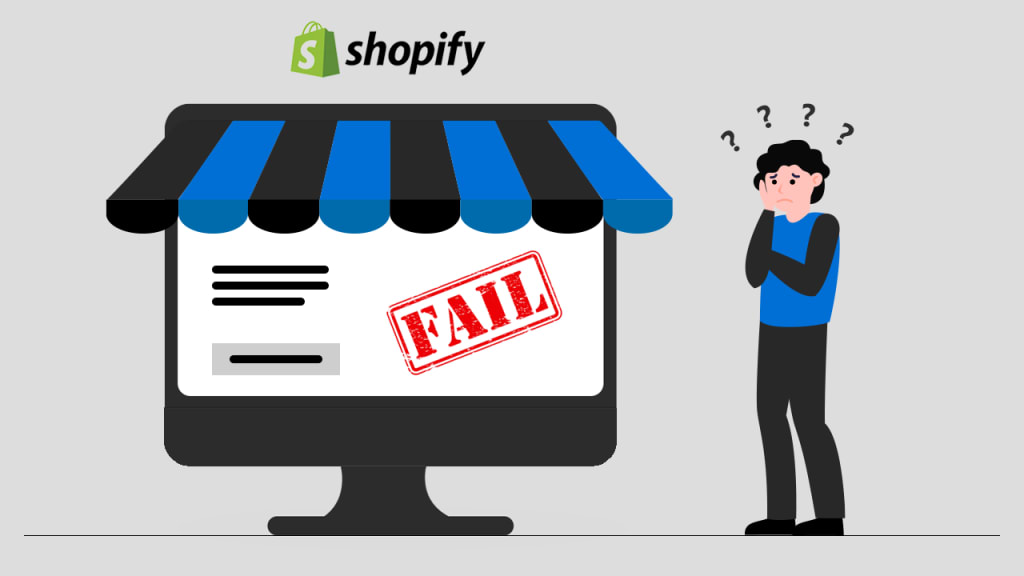
Shopify, the once-revered e-commerce platform, is now facing a serious downfall. Despite being one of the most popular e-commerce solutions in the market, Shopify is no longer the go-to platform for small businesses and entrepreneurs. In recent years, the company has lost its competitive edge due to the emergence of new and more powerful e-commerce platforms like Amazon and WooCommerce. This article explores the reasons why Shopify is losing its grip on the e-commerce industry and why small businesses should start exploring other options.
The Rise of Amazon
One of the primary reasons why Shopify is now considered a flop is the rapid rise of Amazon. The e-commerce giant has transformed the way people shop online, and it has become the default option for many consumers. With its vast network of fulfillment centers and its powerful digital marketing tools, Amazon has become the go-to platform for e-commerce businesses of all sizes. In contrast, Shopify's limited resources and lack of infrastructure have made it difficult for small businesses to compete.
The Emergence of WooCommerce
Another reason why Shopify is losing its grip on the e-commerce industry is the emergence of WooCommerce. The WordPress plugin has become a popular alternative to Shopify, and it offers many of the same features at a much lower cost. WooCommerce is an open-source platform, which means that users have more control over their online stores. Additionally, WooCommerce is more flexible and customizable than Shopify, making it a better choice for small businesses that want to create unique online stores.
Lack of Innovation
Shopify has also failed to innovate and keep up with the changing demands of the e-commerce industry. The company has not introduced any significant updates to its platform in recent years, and it has fallen behind in terms of features and functionality. In contrast, Amazon and WooCommerce have continued to innovate and offer new tools to help businesses succeed. As a result, many small businesses are choosing to move away from Shopify and explore other options.
Cost
Another reason why Shopify is losing its grip on the e-commerce industry is its cost. Shopify is one of the most expensive e-commerce platforms available, and its fees can quickly add up for small businesses. Many entrepreneurs are now turning to cheaper alternatives like WooCommerce or even building their own websites from scratch.
Conclusion
The e-commerce industry is constantly evolving, and it is essential for small businesses to stay ahead of the curve. While Shopify may have been the top choice for many entrepreneurs in the past, it is clear that the platform is no longer as effective as it once was. The rise of Amazon and WooCommerce, as well as the lack of innovation and high cost associated with Shopify, has made it essential for small businesses to explore other options.
Fortunately, there are many powerful and affordable e-commerce solutions available that can help small businesses succeed. From open-source platforms like WooCommerce to building custom websites from scratch, there are many alternatives that offer more flexibility and cost-effectiveness than Shopify. By exploring these options, small businesses can ensure that they are able to stay competitive in the digital age and thrive in the ever-changing e-commerce landscape.
In conclusion, while Shopify may have been a giant in the e-commerce industry at one time, it is now clear that the platform is losing its grip. Small businesses need to start exploring other options to stay competitive, and fortunately, there are many powerful and affordable e-commerce solutions available. By embracing these alternatives and staying ahead of the curve, small businesses can ensure that they thrive in the digital age and continue to grow and succeed for years to come.
About the Creator
Muhammad Sarib Ali
Sarib is an experienced Content Writer with 5 years of experience in the CNet industry. He is a creative and analytical thinker with a passion for creating high-quality content and crafting compelling stories.
Keep reading
More stories from Muhammad Sarib Ali and writers in Journal and other communities.
Insurance Companies Are Making You Fool
Insurance companies are known for their flashy advertisements, promising to protect you and your family from any unforeseen event. However, behind the shiny brochures and TV ads lies a different story — one that may shock you. The truth is that many insurance companies are not working in your best interest. In fact, they are making you a fool by using a variety of tactics that can leave you vulnerable and under-insured.
By Muhammad Sarib Ali3 years ago in Journal
Machado Presented Her Nobel Peace Prize to Trump — But He Didn’t Actually Win It
In a stunning and symbolic moment at the White House, Venezuelan opposition leader María Corina Machado handed President Donald Trump her Nobel Peace Prize medal — a gesture that is now rocking world headlines and social media feeds.
By Omasanjuwa Ogharandukun4 days ago in Journal




Comments
There are no comments for this story
Be the first to respond and start the conversation.