
A Step-by-Step Guide to Understanding Customs Clearance Services
Learn the essentials of customs clearance in this step-by-step guide. Understand documentation, duties, and inspections to ensure smooth international trade.

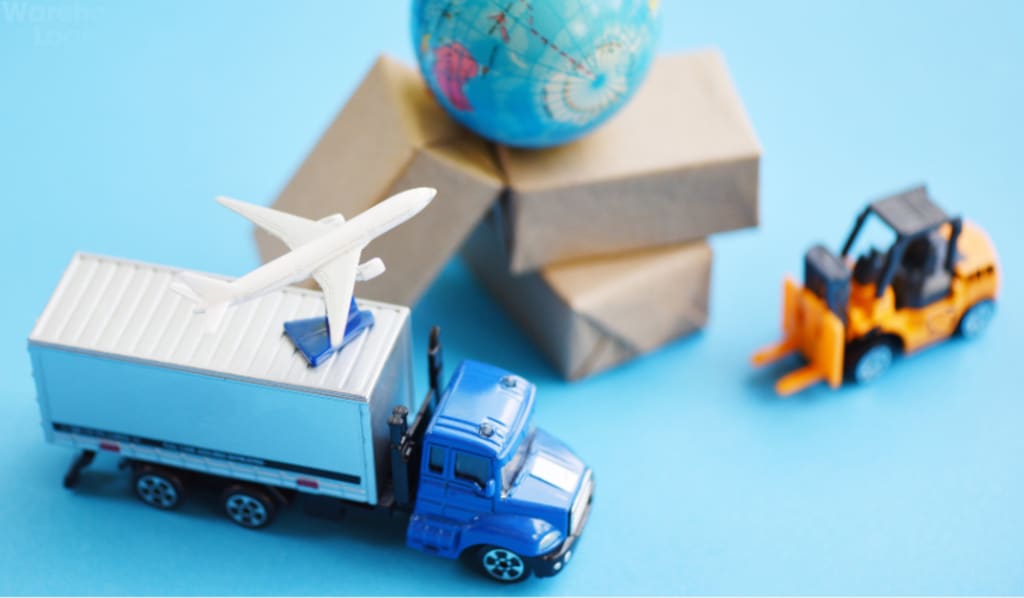
Navigating the complex world of international trade requires a comprehensive understanding of customs clearance services. This essential process ensures that goods crossing international borders comply with the laws and regulations of the importing and exporting countries. In this guide, we will explore what customs clearance is, why it's crucial, and how customs clearance services can facilitate smooth and efficient global trade.
What is Customs Clearance?
Customs clearance is the process through which goods are authorized by the customs authorities of a country to enter or leave that country. This process involves the preparation and submission of necessary documentation, the assessment of duties and taxes, and the inspection of goods. Understanding what customs clearance entails is crucial for any business involved in international shipping, as it ensures compliance with legal requirements and prevents delays.
Key Elements of Customs Clearance
- Documentation: This includes invoices, bills of lading, packing lists, certificates of origin, and any other required documents.
- Duties and Taxes: Import duties, value-added taxes (VAT), and other fees must be calculated and paid.
- Inspection: Customs authorities may inspect shipments to ensure compliance with regulations and to prevent illegal activities such as smuggling.
- Compliance: Adhering to the specific rules and regulations of both the exporting and importing countries.
Why Customs Clearance is Important
Customs clearance services are vital for several reasons. First, they ensure that goods comply with all legal and regulatory requirements, preventing potential fines or legal issues. Second, efficient customs clearance can minimize delays at borders, which is critical for maintaining supply chain efficiency. Finally, understanding customs clearance can help businesses manage costs more effectively by anticipating duties and taxes.
Benefits of Proper Customs Clearance
- Legal Compliance: Avoiding fines and legal issues by adhering to international trade laws.
- Time Efficiency: Reducing delays and ensuring timely delivery of goods.
- Cost Management: Accurate calculation and payment of duties and taxes prevent unexpected expenses.
- Risk Mitigation: Preventing the risk of shipment rejection or confiscation due to non-compliance.
The Role of Customs Clearance Services
Customs clearance services play a pivotal role in the international shipping process. These services are typically provided by customs brokers, freight forwarders, or logistics companies specializing in navigating the complexities of customs regulations. By leveraging their expertise, businesses can ensure that their shipments comply with all necessary requirements, thus avoiding costly delays and penalties.
Benefits of Proper Customs Clearance
- Legal Compliance: Avoiding fines and legal issues by adhering to international trade laws.
- Time Efficiency: Reducing delays and ensuring timely delivery of goods.
- Cost Management: Accurate calculation and payment of duties and taxes prevent unexpected expenses.
- Risk Mitigation: Preventing the risk of shipment rejection or confiscation due to non-compliance.
The Role of Customs Clearance Services
Customs clearance services play a pivotal role in the international shipping process. These services are typically provided by customs brokers, freight forwarders, or logistics companies specializing in navigating the complexities of customs regulations. By leveraging their expertise, businesses can ensure that their shipments comply with all necessary requirements, thus avoiding costly delays and penalties.
Functions of Customs Clearance Services
- Document Preparation: Ensuring that all required documents are correctly filled out and submitted.
- Duty Calculation: Accurately calculating import duties, taxes, and other fees.
- Compliance Assistance: Helping businesses understand and comply with relevant regulations.
- Inspection Coordination: Managing inspections and facilitating communication with customs authorities.
- Problem Resolution: Addressing any issues that arise during the customs clearance process.
Step-by-Step Guide to Customs Clearance Services
Understanding the step-by-step process of customs clearance can help businesses navigate this complex landscape more effectively. Here’s a detailed look at each stage of the customs clearance process:
Step 1: Pre-Shipment Preparation
Before goods are shipped, businesses must prepare all necessary documentation. This includes:
- Commercial Invoice: A detailed invoice stating the value, quantity, and nature of the goods.
- Bill of Lading: A document issued by the carrier acknowledging receipt of the cargo.
- Packing List: A detailed list of the contents of the shipment.
- Certificate of Origin: A document certifying the country in which the goods were manufactured.
- Import Licenses: Any necessary licenses required for the importation of specific goods.
Step 2: Classification of Goods
Properly classifying goods according to the Harmonized System (HS) Code is essential for determining the correct duties and taxes. This international nomenclature ensures consistency in the classification of goods across different countries.
Step 3: Submission of Documentation
All required documents must be submitted to the customs authorities of the importing country. This can often be done electronically, streamlining the process and reducing the potential for errors.
Step 4: Payment of Duties and Taxes
Once the documentation is reviewed, customs authorities will assess the applicable duties and taxes. Payment must be made before the goods can be cleared. Customs clearance services often assist in calculating these fees accurately.
Step 5: Customs Inspection
Customs authorities may choose to inspect the goods to ensure compliance with regulations. Inspections can be random or based on specific risk criteria. The presence of accurate documentation and proper packaging can facilitate a smoother inspection process.
Step 6: Release of Goods
After successful inspection and payment of duties and taxes, the goods are released by customs authorities and can be transported to their final destination. This marks the completion of the customs clearance process.
Challenges in Customs Clearance
While customs clearance services aim to simplify the process, businesses may still face several challenges:
Common Challenges
- Regulatory Changes: Keeping up with constantly changing regulations in different countries.
- Documentation Errors: Mistakes in documentation can lead to delays or fines.
- Tariff Classification: Incorrect classification of goods can result in incorrect duty payments.
- Customs Delays: Unexpected delays due to high volumes of shipments or thorough inspections.
How to Overcome Challenges
- Stay Informed: Regularly update your knowledge of international trade regulations.
- Double-Check Documentation: Ensure all documents are accurate and complete.
- Work with Experts: Engage customs clearance services to leverage their expertise.
- Plan Ahead: Allow extra time for potential delays in the customs clearance process.
Choosing the Right Customs Clearance Service Provider
Selecting a reliable customs clearance service provider is crucial for ensuring smooth and efficient international trade operations. Here are some factors to consider when choosing a provider:
Factors to Consider
- Experience: Look for providers with extensive experience in handling customs clearance for your specific industry.
- Reputation: Check reviews and testimonials from other businesses to gauge the provider’s reliability.
- Range of Services: Ensure the provider offers comprehensive services, including document preparation, duty calculation, and compliance assistance.
- Technology: Choose providers that leverage advanced technology for efficient tracking and documentation management.
- Customer Support: Reliable customer support is essential for addressing any issues that may arise during the customs clearance process.
Top Questions to Ask When Selecting Customs Clearance Services
Selecting the right customs clearance service provider can significantly impact the efficiency and success of your international trade operations. Here are some essential questions to ask potential providers, along with tips on why these questions are important.
What is your experience in handling customs clearance for our type of goods?
Tip: Different goods can have varying customs requirements and challenges. Providers with specific experience in handling your type of goods will be more knowledgeable about the relevant regulations, documentation, and potential issues. This expertise can help prevent delays and ensure compliance.
Can you provide references from other clients in our industry?
Tip: References and testimonials from similar businesses can give you confidence in the provider’s ability to deliver reliable services. Positive feedback from industry peers indicates that the provider understands the specific needs and challenges of your sector, and has a track record of successful customs clearance.
What technology do you use to manage and track shipments?
Tip: Advanced technology and tracking systems are crucial for efficient customs clearance. A provider that uses up-to-date technology can offer real-time visibility into the status of your shipments, reduce errors in documentation, and improve overall process efficiency. Ask about their systems to ensure they meet your technological needs.
How do you handle compliance with changing regulations?
Tip: Customs regulations can change frequently, and staying compliant is essential to avoid penalties and delays. Providers that have robust processes for monitoring and adapting to regulatory changes can help you stay compliant. Ask how they keep up-to-date with regulations and how they communicate these changes to their clients.
What are your fees and how are they structured?
Tip: Understanding the cost structure is vital for budgeting and cost management. Ask for a detailed breakdown of their fees, including any additional charges that may apply. Transparent pricing helps you avoid unexpected costs and ensures you get the best value for your money.
What measures do you take to ensure the accuracy of documentation?
Tip: Accurate documentation is critical for smooth customs clearance. Errors in paperwork can lead to delays, fines, or shipment rejections. Inquire about the provider’s processes for ensuring the accuracy of documentation, including any quality control measures they have in place.
How do you handle disputes or issues during the customs clearance process?
Tip: Even with the best preparations, issues can arise during customs clearance. A provider with a clear and effective process for handling disputes or problems can minimize disruptions to your supply chain. Ask about their problem-resolution strategies and how they communicate and resolve issues with customs authorities.
Can you offer tailored solutions based on our specific needs?
Tip: Every business has unique customs clearance requirements. A provider that offers customized solutions can better address your specific needs and challenges. Discuss your particular requirements and ask how the provider can tailor their services to meet them.
How do you ensure the security of our goods during the customs clearance process?
Tip: The security of your goods is paramount. Ask about the provider’s security measures to protect your shipments from theft, damage, or tampering during the customs clearance process. Reliable security practices can give you peace of mind and ensure the safe delivery of your goods.
What additional services do you offer beyond customs clearance?
Tip: Many customs clearance providers offer additional services such as freight forwarding, warehousing, and logistics management. Utilizing a provider that offers a comprehensive range of services can streamline your supply chain and provide a one-stop solution for all your logistics needs.
By asking these questions and understanding the reasons behind them, you can make a more informed decision when choosing a customs clearance service provider. This careful selection process ensures that your goods are handled efficiently and compliantly, ultimately supporting the success of your international trade operations.
Conclusion
Understanding customs clearance services is essential for any business involved in international trade. By comprehending what customs clearance entails, the importance of compliance, and the role of customs clearance services, businesses can navigate the complexities of global trade more effectively. Proper preparation, leveraging expert services, and choosing the right customs clearance provider can ensure smooth and efficient shipment of goods across international borders.
Investing in reliable customs clearance services not only ensures compliance with legal requirements but also enhances supply chain efficiency, reduces costs, and improves overall business performance. By following the step-by-step guide and addressing common challenges, businesses can streamline their customs clearance process and focus on their core operations, ultimately achieving greater success in the global marketplace.
About the Creator
John Antony
I serve as the Content Head at MTI Logistics - Global Logistics Company. I create high-quality, accessible content to help businesses and users navigate complex logistics.
Keep reading
More stories from writers in Journal and other communities.
Number of US-Style ‘Battering Ram’ Pickup Trucks on UK Roads Nearly Doubles in a Decade
The Rising Trend of Pickup Trucks in the UK In the last ten years, the number of US-style pickup trucks on UK roads has almost doubled, according to recent transport reports. These vehicles, often referred to by enthusiasts and critics as “battering rams” due to their size, high front bumpers, and heavy construction, are becoming increasingly common in both urban and rural settings.
By Aarif Lashari4 days ago in Journal


Comments (1)
Thanks for the well detailed analysis