
7 Tips for Businesses to Source Quality RPET Chips
Quality RPET Chips

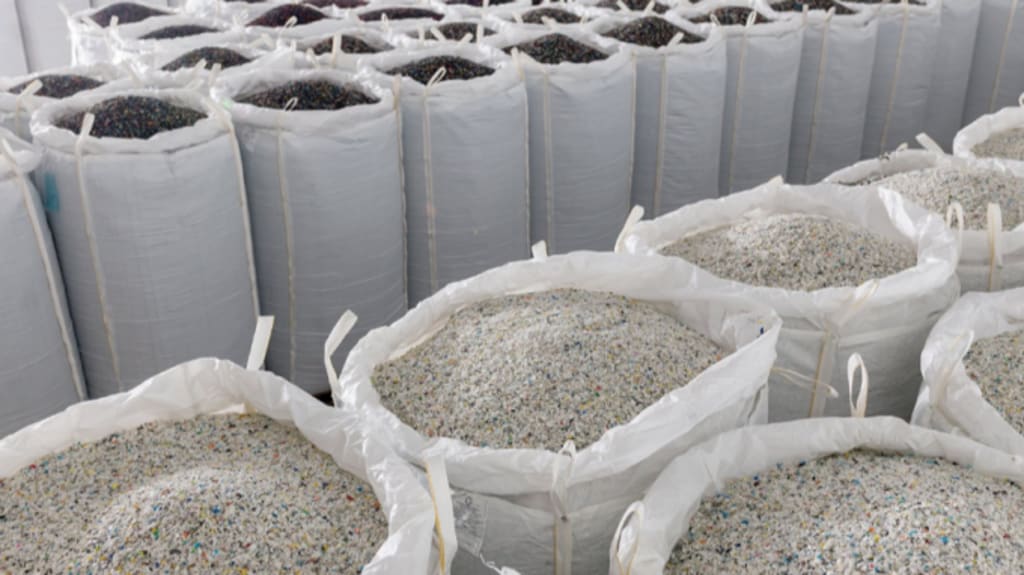
Businesses are now concerned with how much attention they give toward sustainability and sourcing good, quality RPET chips for many industries whose main products in the manufacturing process have been made using plastic material. RPET, which can be sourced using recycled PET plastics from discarded post-consumer products as plastic bottles, is versatile and suitable in packaging, fabric, or almost any other item that calls for its manufactured use. Challenges will still exist from sourcing, including inconsistent high-quality, and contamination risk supply. Since sourcing quality RPET chips can indeed prove challenging for businesses, here are seven tips for effective and sustainable sourcing of high-quality RPET chips.
Partner with Reputable Suppliers
The better the reputation of the supplier, the higher is the quality of the RPET chips. It is important to link with credible and reliable suppliers that are known for providing the purest high-quality RPET. Research the record of operation in the industry; look for suppliers recognized by environmental or industry certification bodies. Check for processes, customers' reviews, and market reputation to provide some indication of quality for the RPET produced.
Suppliers with significant experience often are best positioned to deal with and manage the complexities associated with the production process of recycled plastic, including sorting, cleaning, and extruding.
Quality Standards and Certifications
It goes without saying that RPET chips quality standards and certifications must be checked during sourcing. A responsible supplier will adhere to international standards that reflect value and sustainability commitment. GRS-certified RPET means sourcing from recycled materials and traceable, eco-friendly processes.
ISO Standards: Suppliers who hold ISO certifications ensure that the materials meet quality and environmental management standards.
FDA Approval (in case of food-grade RPET): If the application requires food-grade RPET, you must be certain that the products from the supplier have met the regulations safe to come into contact with food.
More than just a higher standard of quality, these certifications ensure that the RPET is produced with respect for the environment.
Check the purity level of RPET chips
The other key factor in the sourcing of good quality RPET chips is purity. Contaminants and residual chemicals, dyes, and other plastics can all decrease the quality of the RPET, impairing its strength, durability, and even suitability for particular applications. Normally, high-purity RPET chips do not have such impurities and can be used in products without weakening their quality.
Another way to ensure purity is for the companies to ask for samples of the RPET chips and run laboratory tests or chemical analysis. Some suppliers also have labs that test products for purity, which can serve as an added guarantee for buyers.
Assess Supply Chain Transparency
In a nutshell, therefore, only the transparency of the supply chain of RPET can assure that the source, quality, and environmental implications of recycled materials. The openness of a traceable supply chain of any industry makes businesses know all about where their RPET is coming from, how it's being processed, and whether or not it meets all the desired standards.
Choose suppliers that can provide comprehensive documentation of their recycling process, from the collection of PET material to the production of RPET chips. The supply chains are transparent and traceable so risks of low quality and contaminated materials are at a minimum. This, in turn, defines sustainable practices.
Evaluate Recycling and Processing Methods
The quality of RPET chips also depends on the recycling and processing methodologies followed by the supplier. Different washing, shredding, and extruding PET methods can determine the overall quality of the product. Suppliers operating with modern, advanced recycling technologies are more likely to sell high-quality RPET chips. Some common RPET processing method is as follows:
Hot Washing: It is more effective in removing residues and contaminants from what will eventually become the final product.
Decontamination Extrusion: The process involves the removal of all volatile organic compounds and all other impurities, making it suitable for food-grade applications
Optical Sorting: Removal of non-PET contaminants thus ensuring only pure PET in the recycling process
One can understand the supplier's recycling process and how to ensure cleanliness and quality of the product at each and every stage. This further helps businesses select a supplier matching their quality expectations.
Sample batch and testing
In most instances, the best approach to entering a large order is to ask for a sample lot of RPET chips from a supplier. Run such tests in-house or with a third-party lab to test the quality and endurance level of the RPET for your specific application. Testing can detect potential issues involving impurities, density, or melting points such that the chips match exactly what is required for your product.
Testing sample batches also provides insight into the consistency of the RPET, thus helping determine whether the supplier can deliver uniform quality over time. Since consistency is a fundamental requirement to ensure that the product standard is fulfilled, this is especially important if your business utilizes RPET chips for packaging or any other consumer-facing product.
Develop Long-Term Supplier Relationships
Once you identify the appropriate supplier, then you can think of being a long-term partner. Relations with the respected supplier also have some advantages of their own:
Consistent Supply: You can be sure of constant supply of quality RPET chips that would limit chain breaks.
Quality Assured: Reputed suppliers also take care of your quality better and try for customized solutions.
Pricing Advantages: Long-term partnerships may eventually attain the correct price deals, lower costs, and greater profitability.
Frequent communication with suppliers and scheduled yearly audits or inspections will, indeed, keep the quality levels at par and ensure the right quality RPET chips are supplied for the long run.
Good quality RPET chips can have a huge influence on the capacity of the business to implement sustainability goals, minimize costs, and ensure products' durability and safety. Such companies which partner with reliable suppliers, verity certifications, and test the materials ensured that they receive high-quality and reliable RPET. In the age of sustainability, the initiative goes beyond environmental benefits; it will work for brand reputation and customer loyalty.
About the Creator
Rakshitam Ecofibre
We provide Recycled Polyester Staple Fibre is available in various cut lengths and deniers suitable for different industries like spinning, non-woven and technical textiles. Also we buy rPET Flakes and rPET Bottles. Visit: www.rakshitam.com
Keep reading
More stories from Rakshitam Ecofibre and writers in Journal and other communities.
How RPET Chips and Flakes Are Making a Difference in Recycling
Today, as the world faces plastic waste and environmental degradation, recycling has become one of the essential elements forming part of the globe's efforts to reduce our ecological footprint. Among the most innovative solutions driving this movement is the use of RPET chips and RPET flakes, which are recycled from PET plastic to make differences in industries as different as packaging and fashion. With rising awareness on sustainability, RPET chips and flakes come into prominence as the key player helping to reduce plastic waste and introducing a new circular economy.
By Rakshitam Ecofibreabout a year ago in Education
Trump Tells Iran: End Nuclear Ambitions and Stop Killing Protesters or Face US Military Action
A Blunt Warning From Trump Former US president Donald Trump has issued a dramatic warning to Iran, demanding that the country end its nuclear ambitions and halt the killing of protesters, or risk facing US military action. The comments, delivered during a campaign-style address and echoed across social media, have intensified already strained relations between the United States and Iran.
By Aarif Lashariabout 20 hours ago in Journal


Comments
There are no comments for this story
Be the first to respond and start the conversation.