
How RPET Chips and Flakes Are Making a Difference in Recycling
Recycling RPET Chips and Flakes

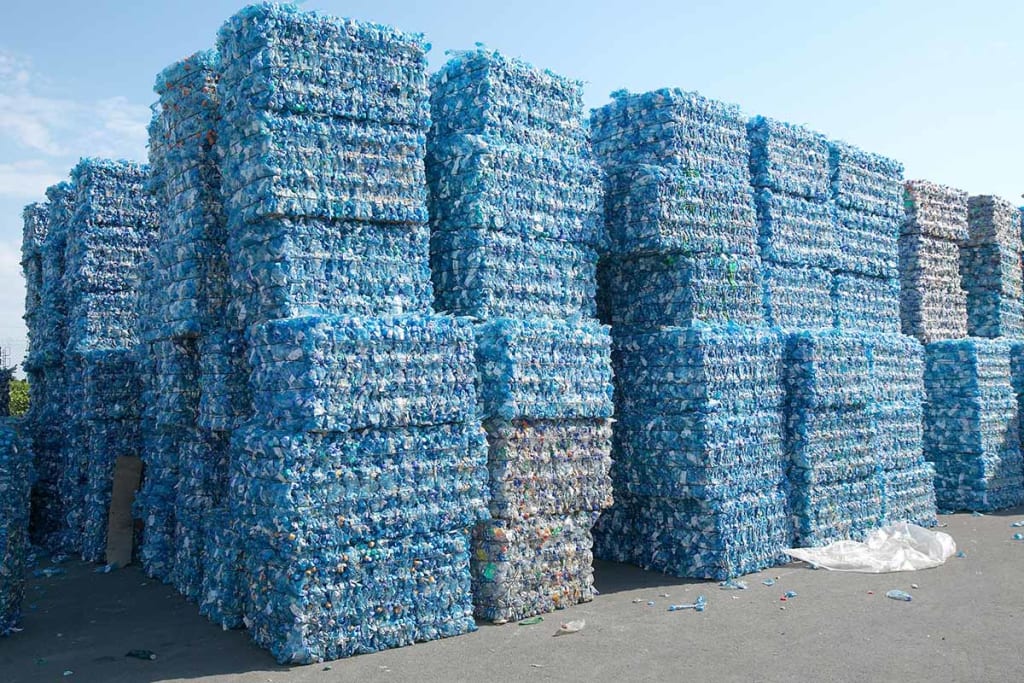
Today, as the world faces plastic waste and environmental degradation, recycling has become one of the essential elements forming part of the globe's efforts to reduce our ecological footprint. Among the most innovative solutions driving this movement is the use of RPET chips and RPET flakes, which are recycled from PET plastic to make differences in industries as different as packaging and fashion. With rising awareness on sustainability, RPET chips and flakes come into prominence as the key player helping to reduce plastic waste and introducing a new circular economy.
In this article, we discuss how RPET chips and flakes are produced, along with environmental benefits and their roles in rewriting the future of recycling and sustainability. What are RPET Chips and Flakes?
RPET is abbreviated for Recycled Polyethylene Terephthalate. This plastic is most widely used in bottles, containers, and in textiles. PET plastic is distinguished as one of the most recycled products globally because it can be melted down and reused several times without a loss in quality. There are two types of RPET: RPET chip and RPET flakes. RPET chip is recycled in the form of PET chip, which is obtained from various stages of the recycling process. But RPET flakes are also recycled but collected from various initial stages of the process as raw material.
RPET flake: These are small pieces of plastic produced from shredding and cleaning post-consumer products like water bottles and packaging into flakes.
RPET chip: These are chips produced by further processing the RPET flake. They are melted down, extruded, and formed into chips that can then be used to make new plastic.
RPET chips and flakes would be the most essential raw materials to the industries interested in replacing virgin plastics with something more environmentally friendly.
How are RPET Chips and Flakes Manufactured?
The production of RPET chips and flakes begins with the collection of PET waste plastic. In order to understand just how this recycled material is manufactured, let's have a step-by-step look below:
Collection : The post-consumer PET products, such as plastic bottles and containers, are collected through recycling programs, waste management systems, and curbside recycling.
Sorting: PET collected plastic sorted by type, color, and material. PET sorting makes sure that only materials are further processed for final products and which increases the purity of the final product.
Cleaning: Sorted plastics are intensively cleaned of impurities, including glue, stickers, dust and dirt. Cleaning is significant for ensuring the quality level of recycled PET.
Tearing: RPET flakes are made from clean PET plastics shredded into smaller pieces. These flakes serve as the base for many recycled plastic products.
Melting and Extrusion: For RPET flakes to be turned into RPET chips, the flakes are melted down and formed into a small pellet-like shape. This forms the RPET chip.
These RPET flakes and chips are now being used to make various products, from some fabric to new plastic packaging, thereby minimizing virgin plastic and sustainability in the future.
Environmental Gains from the RPET Chips and Flakes
1. Plastic Waste Minimization The primary environmental benefit of RPET chips and flakes is plastic waste minimization. The post-consumer PET plastic turned into flakes and chips save millions of plastic bottles and containers from landfills and oceans every year. This assists in combating the global plastic pollution crisis and minimizes the detrimental effects of plastic waste on wildlife and ecosystems.
For example, it takes the recovery of only one ton of PET plastic to save approximately 7.4 cubic yards of landfill space. Furthermore, RPET chips and flakes also make sure that the plastic waste is reused instead of becoming a nagging problem of ever-growing plastics.
2. Saving of Energy
Energy is very high, mainly because of the extraction and refining of petroleum, a nonrenewable product, for the production of virgin PET plastic. Chips and flakes for RPET are manufactured by less energy intensity. Research shows that recycling PET into RPET may reduce up to 50% of energy use.
This amounts to a smaller carbon footprint, as lesser fossil fuel gets combusted during its production process. It means that industries can easily cut their energy and carbon emission demands while using RPET instead of virgin plastics to combat climate change.
3. Reduce Greenhouse Gas Emissions
Another advantage that comes with this production of RPET chips and flakes is lesser levels of emission in greenhouse gases. The production of virgin PET requires massive releases of carbon dioxide, which leads to global warming. Recycling of PET into RPET contributes to lesser emissions of CO2, as the production process compares about 30-40% emissions compared to virgin plastic production.
Using RPET materials minimizes the environmental footprint companies make and contributes to global efforts toward an ideal reduction of greenhouse gas emissions.
4. Promotion of Circular Economy
A circular economy is a system in which waste has been reduced to its minimum value through the reuse of materials for as long a time as possible. At the heart of this philosophy is a product such as RPET chips and flakes-that allow plastic products to be recycled, reused in a closed loop, rather than following the linear "take-make-dispose" model where a product is used once and then discarded.
PET plastic can be collected and recycled into RPET chips or flakes which further provide an opportunity to create newer products and thus recycling it again would make less newly acquired raw materials for production and help reduce waste. This is to mean that the production cycle eventually becomes much more sustainable.
Applications of RPET Chips and Flakes
RPET chips and flakes are extensively versatile and used in many industries, starting from apparel to packaging. Some applications include the following:.
1. Textiles and Apparel
The most frequent use of RPET flakes is for the production of synthetic fibers to be used in textiles. Used polyester from RPET flakes covers most sportswear and outdoor equipment. Environmental-friendly companies prefer using recycled polyester in their products to minimize their impact on nature.
2. Packaging
RPET chips are primarily used in the creation of newer plastic bottles, containers, and packaging materials. Many companies are now using RPET packaging as a proof for their environmental commitment. The use of RPET in their packaging help reduce the use of virgin plastics and the carbon footprint.
3. Building Materials
RPET flakes and chips are used in the construction industry to create insulating materials, a carpet back sheet, and other components that are part of the structural components of buildings. These are alternative products applied to buildings instead of the conventional ones, thus creating an environment-friendly building methodology.
4. Automotive Industry
Moreover, automotive industries have accepted RPET materials to be used in the fabrication of various car parts, like linings for cars, seat cushioning, and insulation. Recycling material during car manufacturing cuts down on the use of nonrenewable resources.
Conclusion
This change in the RPET chip and flakes revolution leads to a new era of recycling with a sustainable solution for plastic waste problems around the world. RPET chips and flakes bring useful raw materials from post-consumer PET plastic, contributing reductions in plastic waste, energy consumption, greenhouse gas emissions, and support to the concepts of a circular economy.
Even regarding its uses, be it for industries or consumers, RPET chips and flakes shall become even more important to the world. Still, it will be through choosing products with their makeup that we shall all, one step at a time, help reduce our footprint on the environment and strive for a better future.
About the Creator
Rakshitam Ecofibre
We provide Recycled Polyester Staple Fibre is available in various cut lengths and deniers suitable for different industries like spinning, non-woven and technical textiles. Also we buy rPET Flakes and rPET Bottles. Visit: www.rakshitam.com
Keep reading
More stories from Rakshitam Ecofibre and writers in Education and other communities.
PET Flakes Recycling: An Eco-Friendly Approach to Plastic Waste Disposal
Pollution is still one of the biggest environmental issues today, with the world sitting on billions of pounds of plastic. Of the various types of plastics, Polyethylene Terephthalate (PET) is the most common one and is used in beverage containers, food jars, and even in packaging materials. One way to mitigate the damage caused by plastic pollution is to recycle it by ‘flaking’ it, which makes it a more sustainable solution. In this blog, I will elaborate on the techniques and processes involved in recycling PET flakes and how they help the ecosystem and boost the economy.
By Rakshitam Ecofibre9 months ago in Education
The Light She Gave Us
A Tribute to Dr. Shirley Ann Jackson and the Power of Fiber Internet Ladies and gentlemen, today I want to tell you a story a story about light, legacy, and the brilliance of a Black woman whose mind helped shape the very way our world communicates. Before fiber‑optic lines stretched across America… Before light traveled through glass to carry our voices at breathtaking speed… Before companies like Frontier and Verizon built vast modern networks… There was a little girl in Washington, D.C., collecting honeybee's in jars, studying the patterns of nature, and discovering curiosity as her superpower. That little girl grew into **Dr. Shirley Ann Jackson a name that deserves to be spoken with honor, with reverence, with pride.
By Organic Products a day ago in Education
Growing Strong Customer Loyalty Through Exceptional Customer Service
Building loyalty through exceptional customer service is one of the most effective ways to create long-term business success. Customers have many choices today, and they can easily leave if they feel unimportant. Loyalty is not built only through products or prices. It is built through experiences. The way a business treats its customers can make the difference between a one-time buyer and a lifelong supporter.
By Apex Service Partners3 days ago in Education


Comments
There are no comments for this story
Be the first to respond and start the conversation.