
Trump Tells Iran: End Nuclear Ambitions and Stop Killing Protesters or Face US Military Action
Former US president Donald Trump issues stark warning to Tehran, linking Iran’s nuclear programme with its treatment of protesters as tensions between Washington and Tehran escalate.
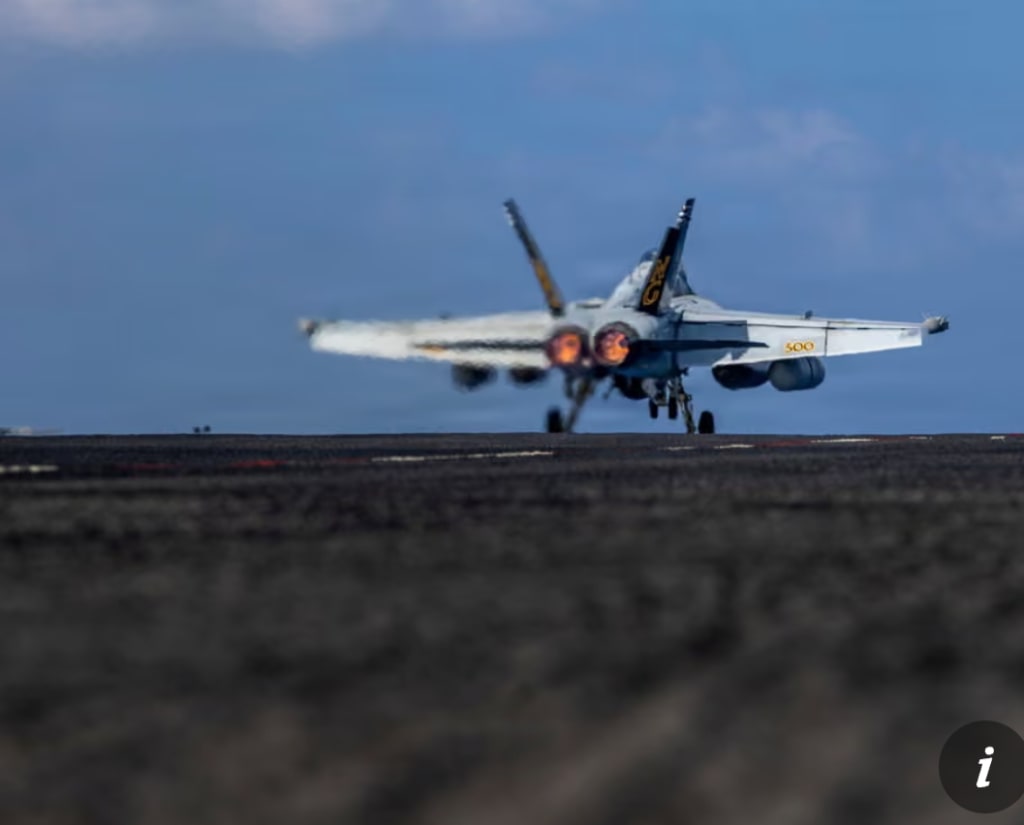
A Blunt Warning From Trump
Former US president Donald Trump has issued a dramatic warning to Iran, demanding that the country end its nuclear ambitions and halt the killing of protesters, or risk facing US military action. The comments, delivered during a campaign-style address and echoed across social media, have intensified already strained relations between the United States and Iran.
Trump’s remarks combine two of the most sensitive issues surrounding Iran: its controversial nuclear programme and its handling of domestic dissent. By linking the two, Trump signaled a hardline stance that departs sharply from diplomatic engagement in favor of pressure and deterrence.
Nuclear Ambitions Back in the Spotlight
Iran’s nuclear programme has long been a source of international concern. Western governments fear Tehran could develop nuclear weapons, an allegation Iran denies, insisting its programme is for peaceful energy purposes.
The 2015 Joint Comprehensive Plan of Action (JCPOA) placed limits on Iran’s nuclear activities in exchange for sanctions relief. However, Trump withdrew the US from the agreement in 2018, calling it “the worst deal ever negotiated.”
Since then, Iran has expanded uranium enrichment and reduced cooperation with international inspectors, raising alarm in Washington, Europe, and the Middle East. Trump’s warning reflects ongoing fears that Iran is edging closer to nuclear weapons capability.
Protests and Allegations of Brutal Crackdowns
Alongside nuclear concerns, Trump highlighted Iran’s treatment of protesters, accusing the government of killing civilians who oppose the regime. Iran has faced repeated waves of protests in recent years, driven by economic hardship, political repression, and social restrictions.
Human rights groups allege that Iranian security forces have used excessive force, including live ammunition, mass arrests, and harsh prison sentences, to suppress dissent. Iranian authorities deny systematic abuse, arguing that they are maintaining order against what they describe as foreign-backed unrest.
By raising the issue of protesters, Trump positioned his warning as not only a security threat but also a human rights ultimatum.
“Or Face the US Military”
Trump’s most striking comment was his assertion that failure to comply would lead to US military consequences. While he did not specify the nature or timeline of such action, the language marked a clear escalation in rhetoric.
During his presidency, Trump authorized targeted strikes, including the 2020 killing of Iranian General Qassem Soleimani, which nearly triggered a wider conflict. His supporters argue that such actions restored deterrence, while critics warn they increased instability.
Military analysts caution that any direct confrontation with Iran would carry serious risks, including retaliation against US forces and allies across the Middle East.
Iran’s Likely Response
Iranian officials have historically rejected threats from Washington, framing them as imperialist pressure tactics. State media often portrays US warnings as attempts to destabilize the country and undermine its sovereignty.
While Tehran has not immediately responded to Trump’s latest remarks, past statements suggest Iran would resist any demands made under threat, particularly regarding its nuclear programme and internal governance.
Iran has repeatedly warned that military action would provoke a strong response, potentially targeting US interests and shipping routes in the region.
Reactions in Washington and Beyond
Trump’s comments have drawn mixed reactions in the United States. Supporters praised the tough stance, arguing that Iran only responds to strength. Critics accused him of reckless rhetoric that could undermine diplomatic efforts and raise the risk of war.
Internationally, European leaders have generally favored dialogue and diplomacy with Iran, particularly on nuclear issues. Many fear that renewed threats could derail efforts to revive negotiations and reduce tensions.
Human rights groups, while welcoming attention on Iran’s treatment of protesters, caution that military threats rarely improve human rights conditions on the ground.
The Broader Regional Context
The warning comes amid heightened instability in the Middle East, with conflicts in Gaza, tensions in the Red Sea, and clashes involving Iran-backed groups across the region.
US warships and aircraft have increased their presence in key waterways, officially to protect commercial shipping and deter escalation. In this environment, Trump’s remarks add another layer of uncertainty to an already volatile situation.
Regional allies such as Israel and Gulf states are watching closely, balancing concerns over Iran’s ambitions with fears of being drawn into a larger conflict.
Campaign Politics or Policy Preview?
As Trump campaigns for a return to the White House, his statements may also be aimed at domestic audiences. Foreign policy, particularly toward Iran, remains a polarizing issue in US politics.
Supporters see his approach as decisive and effective, while opponents argue it risks unnecessary confrontation. Whether the comments represent campaign rhetoric or a preview of future policy remains unclear.
Conclusion
Donald Trump’s warning to Iran — to end its nuclear ambitions, stop killing protesters, or face US military action — underscores how fragile US-Iran relations remain. By tying nuclear policy to human rights concerns and backing the demand with the threat of force, Trump has reignited debate over how best to deal with Tehran.
Whether the remarks lead to renewed pressure, diplomatic recalibration, or heightened tensions will depend on responses from Iran, the US political landscape, and the international community. In a region already on edge, the stakes could hardly be higher.
About the Creator
Keep reading
More stories from Aarif Lashari and writers in Journal and other communities.
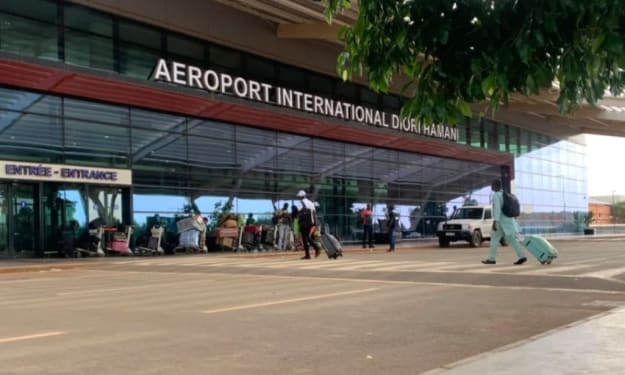
Sustained Gunfire, Loud Blasts Heard Near Airport in Niger's Capital
Gunfire and Explosions Rock Parts of Niamey Residents in Niamey, the capital of Niger, reported hearing sustained gunfire and loud blasts near the city’s international airport, triggering widespread alarm and confusion. The incident occurred amid an already fragile security environment, with the West African nation continuing to grapple with political upheaval, militant threats, and regional instability.
By Aarif Lasharia day ago in Journal
Artificial Intelligence in Mission Planning and Air Operations
Artificial intelligence (AI) is reshaping how modern air missions are planned and conducted. As air operations become more complex, AI helps military planners and aircrews manage vast amounts of data, reduce uncertainty, and respond faster to changing conditions.
By Beckett Dowhan4 days ago in Journal
Living in a hemp house
Hemp, a multi-purpose crop that delivers fibres, shivs, seeds, and pharmaceuticals is currently used in insulation materials and bio-composites for a more sustainable construction industry. Russ Martin and his wife Karon Korp tell their story as owners of the first hemp house in the U.S.
By Susan Fourtané 4 days ago in Interview


Comments
There are no comments for this story
Be the first to respond and start the conversation.