
10 Medical Supplies You Need to Have in Your House
This article discusses some items for emergencies and first aid that we should have in our homes. These items can be of great help in a time of extreme need, where it is not always possible to go out to buy what you need, or ask someone for help. Enjoy and check out our recommendation on 10 Medical Supplies to have at home

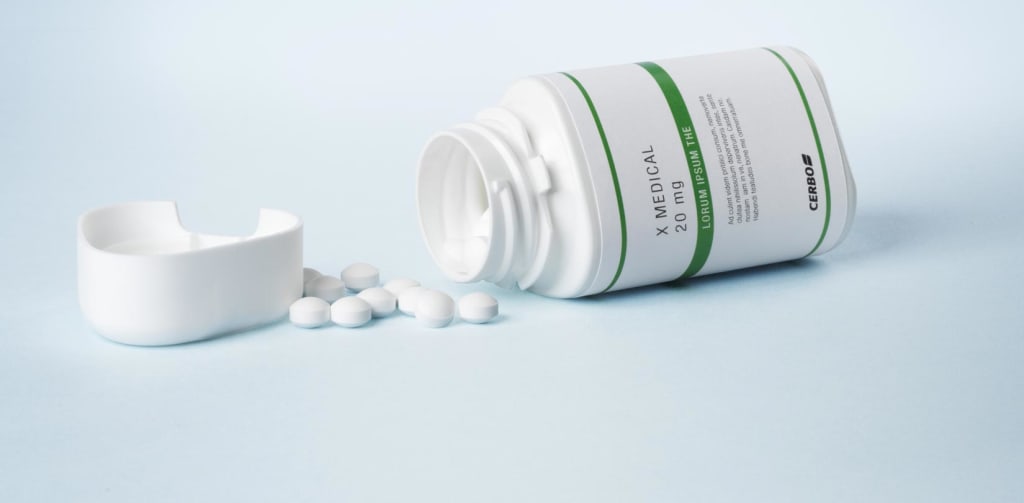
Having some medicine at home is a worldwide custom, unfortunately some people end up abusing these medicines, but, in most cases, having a medicine at home makes a big difference in an emergency case, being able to alleviate or even solve a problem without the need to go to a hospital.
In this article, we are not promoting any medicine or encouraging its use, but rather, debating and providing guidance on how its correct use can solve various situations of need. We'll talk about Naproxen and other inputs widely used in almost all over the world.
10 Medical Supplies You Need to Have in Your House
Naproxen is a nonsteroidal anti-inflammatory drug (NSAID) used to relieve pain, reduce inflammation, and lower fever. It is used to treat a wide range of conditions, including headaches, menstrual cramps, muscle aches, toothaches, back pain, and rheumatoid arthritis. Naproxen works by blocking the production of certain chemicals in the body that cause inflammation and pain.
Naproxen is available in both over-the-counter and prescription forms. Over-the-counter naproxen is typically used for the relief of minor aches and pains, while prescription naproxen is used for more severe pain and inflammation. The medication is usually taken orally, either with or without food, and may be taken every 8-12 hours, depending on the specific product.
Naproxen has a number of side effects, and it should be used with caution in certain populations. It can cause stomach upset, heartburn, and stomach bleeding, especially when taken in high doses or for long periods of time. It may also increase the risk of heart attack and stroke, especially in older adults and people who have other risk factors. If you have a history of heart disease or stroke, it is important to talk to your doctor before taking naproxen.
It's important to note that Naproxen should not be taken with other NSAIDs or blood-thinning medications, like aspirin, without consulting a doctor. It's also important to not exceed the recommended dosage and to follow the instructions on the label.
In general, Naproxen can be a good option for relief of mild to moderate pain, but it's important to consult a doctor if your symptoms persist or worsen.
10 Medical Supplies You Need to Have in Your House
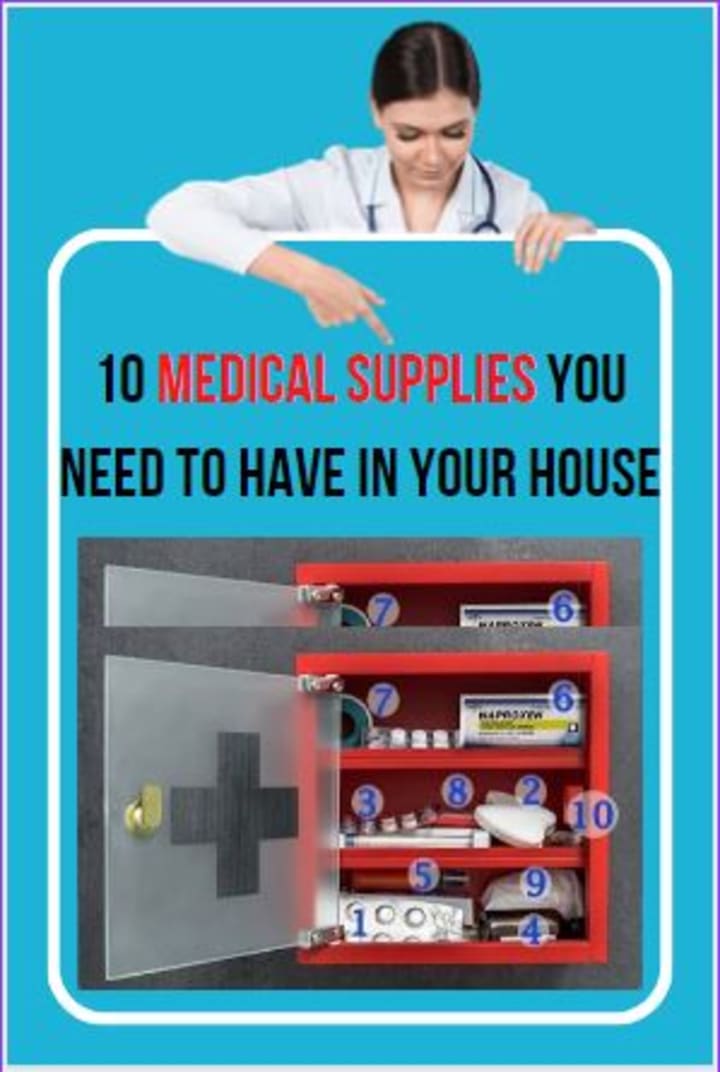
1 - Band-Aids: These are essential for covering small cuts and scrapes.
2 - Adhesive tape: Useful for holding bandages in place and for wrapping sprains and strains.
3 - Tweezers: These can be used to remove splinters or other small objects from the skin.
4 - Scissors: Useful for cutting bandages and gauze.
5 - Thermometer: A thermometer can be used to check for fever.
6 - Pain relievers: Over-the-counter pain relievers such as ibuprofen or acetaminophen can help to reduce pain and fever.
7 - Antiseptic wipes or solution: These can be used to clean wounds and prevent infection.
8 - Hydrocortisone cream: This can be used to relieve itching and inflammation associated with minor skin irritations.
9 - First aid manual: A guide to basic first aid and emergency procedures can be very helpful in case of injuries or illnesses.
10 - Prescription medications: Be sure to keep a supply of any necessary prescription medications on hand.
It's also important to note that you should have a well-stocked first aid kit and regular check the expiry date of all items to ensure they are still useable.
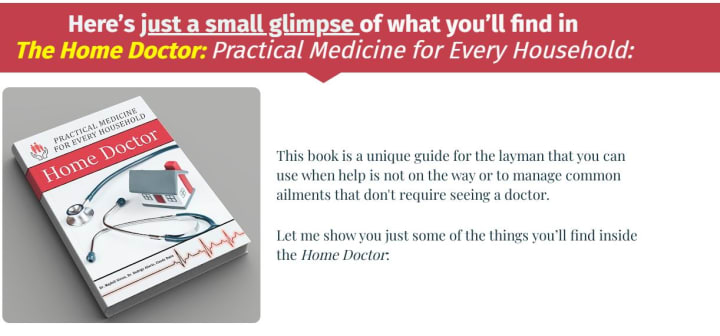
You may have other precious tips like these in your hands. To find out more, click right here!
About the Creator
Fabio Santana
I always bring the best information about products and services to improve your day to day
Keep reading
More stories from Fabio Santana and writers in Journal and other communities.




Comments
There are no comments for this story
Be the first to respond and start the conversation.