
You Destroy Your Brain Health Rapidly With These 4 Stupid Daily Habits
Uncover the daily habits that silently sabotage your brain health and discover how to break free for a sharper, healthier mind.

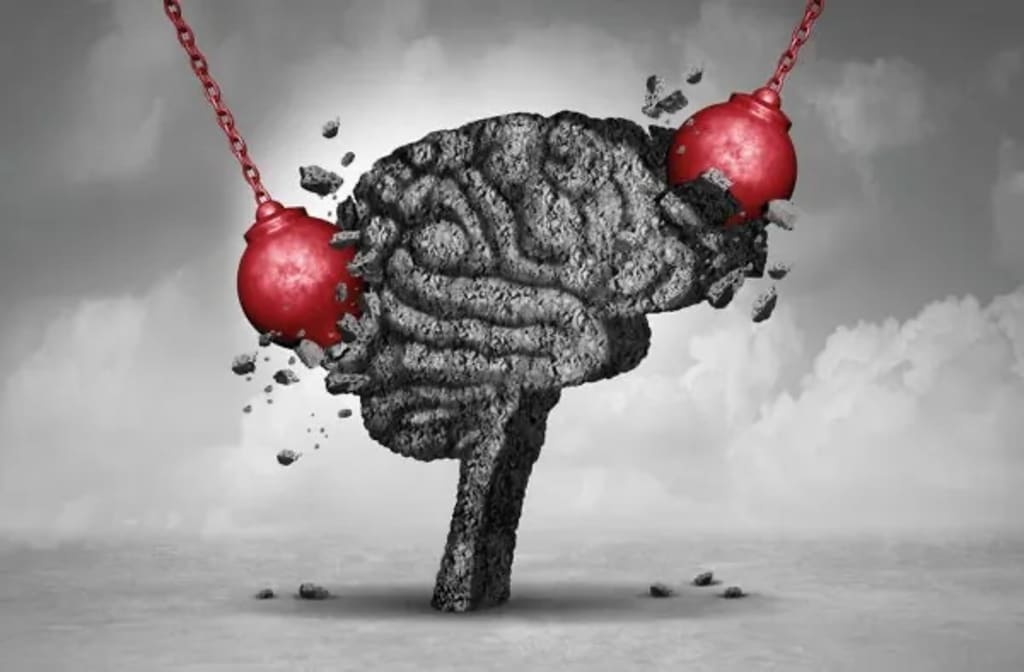
We all know that our daily habits shape our lives, but what if some of those seemingly harmless habits are actually wreaking havoc on our brain health? As someone who has always prided myself on leading a healthy lifestyle, I was shocked to discover that a few of my everyday routines were silently sabotaging my cognitive well-being. Here’s the story of how I uncovered — and eventually broke free from — four stupid daily habits that were destroying my brain health.
Habit 1: Skipping Breakfast — The “Smart” Choice That Backfired
For 4 years, I believed that skipping breakfast was a clever way to save time and cut calories. After all, who needed a meal when coffee could get me through the morning? But then, something changed.
- The Wake-Up Call: I started noticing that by mid-morning, I was always irritable, distracted, and struggling to focus. I blamed stress, lack of sleep, and everything but the one thing I didn’t want to admit — my breakfast routine.
- The Science Behind It: After some research, I learned that skipping breakfast starves the brain of essential nutrients and glucose, the primary energy source for cognitive functions. This deprivation leads to decreased concentration, mood swings, and long-term cognitive decline.
- The Shift: Reluctantly, I started eating a simple, balanced breakfast each morning — think whole grains, a bit of protein, and some fruit. The difference was almost immediate: better focus, improved mood, and more energy throughout the day.
Lesson: Skipping breakfast isn’t just a bad idea; it’s a habit that can have serious consequences for your brain health.
Habit 2: Endless Screen Time — The Silent Brain Drain
Like many of us, I spent countless hours in front of screens — working, scrolling through social media, or binge-watching shows. It seemed harmless enough until it wasn’t.
- The Gradual Decline: I noticed that my memory was slipping. I’d walk into a room and forget why I was there, or I’d struggle to recall simple facts. It was frustrating and a little frightening.
- The Science Behind It: I learned that excessive screen time, especially before bed, disrupts the brain’s ability to retain information and affects sleep quality, which is crucial for memory consolidation. The constant overstimulation from screens also reduces attention span and cognitive function.
- The Shift: I decided to implement screen-free periods throughout my day and created a “digital sunset” an hour before bed. I filled this time with reading, meditation, or simple conversation. Over time, my memory improved, and I felt more mentally sharp.
Lesson: Excessive screen time isn’t just a waste of time; it’s a habit that can drain your brain’s cognitive reserves.
Habit 3: Poor Sleep Habits — The “I’ll Sleep When I’m Dead” Mentality
For years, I proudly claimed to function well on just five or six hours of sleep. I thought it made me more productive, more driven — until it didn’t.
- The Breakdown: I began experiencing frequent mood swings, difficulty concentrating, and an overwhelming sense of mental fatigue. Even my creativity, something I always relied on, felt stifled.
- The Science Behind It: Chronic sleep deprivation was affecting my brain’s ability to function properly. Lack of sleep impairs the brain’s ability to remove toxins, process emotions, and retain information, leading to cognitive decline, memory issues, and increased stress levels.
- The Shift: I committed to a consistent sleep schedule, aiming for 7–8 hours each night. I also improved my sleep environment — no screens, blackout curtains, and a comfortable mattress. Slowly but surely, my mental clarity returned, and with it, my emotional balance.
Lesson: Skimping on sleep isn’t just a badge of honour; it’s a habit that can quickly deteriorate your brain’s health and overall well-being.
Habit 4: Overloading on Processed Foods — The Convenience Trap
In the chaos of daily life, reaching for convenient processed foods became my go-to solution. Little did I know, I was feeding my brain all the wrong things.
- The Wake-Up Call: I started feeling sluggish, mentally foggy, and less motivated. I chalked it up to stress and ageing until I realized my diet was at the root of the problem.
- The Science Behind It: Processed foods are loaded with unhealthy fats, sugars, and chemicals that contribute to inflammation and oxidative stress in the brain. This not only impairs cognitive function but also increases the risk of neurodegenerative diseases like Alzheimer’s.
- The Shift: I began swapping out processed snacks for whole foods — fresh fruits, vegetables, nuts, and lean proteins. The change was transformative. My energy levels stabilized, my mind felt clearer, and I even started enjoying my meals more.
Lesson: Convenience isn’t always a good thing. Consistently consuming processed foods is a habit that can seriously undermine your brain health.
Conclusion: Breaking Free from Brain-Destroying Habits
Realizing that these four daily habits were slowly eroding my brain health was a tough pill to swallow. But the good news is that once I identified them, I could make changes — small, consistent adjustments that brought big benefits.
If you recognize any of these habits in your own life, consider making a change today. Your brain is one of your most precious assets, and by breaking free from these destructive routines, you can protect it for the long term.
Remember, taking care of your brain isn’t about radical changes or extreme measures — it’s about making smarter choices every day. Your future self will thank you.
About the Creator
AI Alex
Exploring the fusion of Food, Mindfulness, and UX Design. Join me in savoring flavors, cultivating serenity, and crafting captivating digital experiences.
Autonomy Is The Real Privilege
Good morning, freedom-seekers! Today we’re gonna be looking at autonomy. A strange word, I know; one many would probably look at blankly and run away from on sight. We’re gonna figure out what it actually means, consider how it’s achieved, and decipher just how deeply most of us are tangled up in dependence without realising it.
By That ‘Freedom’ Guyabout 5 hours ago in Humans




Comments
There are no comments for this story
Be the first to respond and start the conversation.