
Why You Can’t Sleep? 9 Nightly Routines That Are Sabotaging Your Rest (Even If They Feel Good)
From Midnight Scrolling to ‘Relaxing’ Nightcaps - How Your ‘Harmless’ Habits Are Stealing Your Sleep (And How to Fix It)

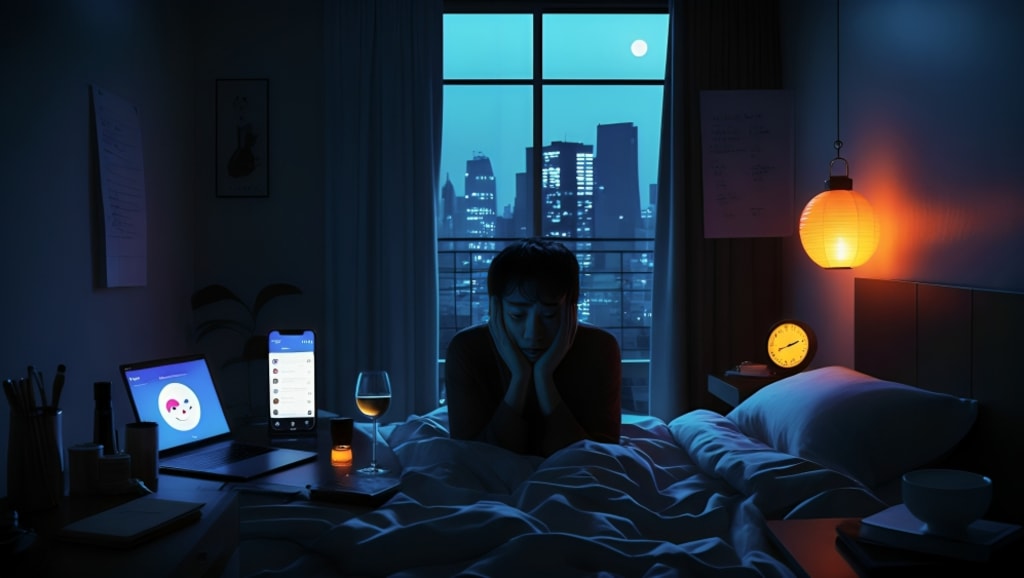
THE NIGHT OWL TRAP
It’s 2 a.m. in Tokyo. A college student watches one more TikTok video. In New York, a CEO sips herbal tea, convinced it’s “calming,” while their Apple Watch flashes “High Stress.” In Mumbai, a parent doomscrolls news headlines, wondering why they’re exhausted despite “relaxing” nightly rituals.
Sound familiar? You are not alone. The World Health Organization reports that 1 in 3 adults globally suffers from insomnia, not because of obvious culprits like caffeine, but due to habits that feel good in a moment. Let’s expose these sleep thieves and reclaim your nights.
1. “Just One More Episode” Syndrome
Why It Feels Good: Binge-watching Stranger Things or K-dramas distracts from daily stress.
The Trap: Blue light from screens suppresses melatonin (the sleep hormone) by 50% (Harvard Sleep Study, 2024). Cliffhangers spike cortisol, keeping your brain wired.
Fix It: Use the “10-3-2-1-0” Rule:
- 10 hours before bed: No caffeine.
- 3 hours: Stop heavy meals.
- 2 hours: Quit work emails.
- 1 hour: Ditch screens.
- 0 excuses.
2. The Nightcap Deception
Why It Feels Good: A glass of wine or CBD tea seems relaxing.
The Trap: Alcohol disrupts REM sleep (where memory consolidation happens), leaving you groovy but groggy. Even non-alcoholic drinks can cause midnight bathroom trips.
Fix It: Swap nightcaps for golden milk (turmeric + almond milk) or tart cherry juice (natural melatonin source).
3. Midnight Scrolling (a.k.a. “FOMO Fuel”)
Why It Feels Good: Checking Instagram or stock prices feels productive.
The Trap: Social media triggers comparison anxiety, spiking stress hormones. The Stanford Digital Addiction Center found scrolling past 10 p.m. delays sleep by 90+ minutes.
Fix It: Charge your phone outside the bedroom. Use a $20 alarm clock.
4. Overthinking in Bed
Why It Feels Good: “I’ll solve tomorrow’s problems now!”
The Trap: Your brain links the bed to stress, not sleep.
Fix It: Practice “Brain Dump” Journaling: Write worries on paper, then literally toss them in a “Tomorrow Box.”
5. The “Cool Down” Workout Myth
Why It Feels Good: Late-night yoga or gym sessions feel healthy.
The Trap: Exercise raises core temperature for 4-6 hours, tricking your body into “daytime mode.”
Fix It: Move workouts to mornings or opt for gentle stretches (e.g., legs-up the wall pose).
6. Over-Reliance on Sleep Trackers
Why It Feels Good: Obsessing over sleep scores feels scientific.
The Trap: Anxiety over “poor sleep” data creates a vicious cycle. A 2024 Johns Hopkins study found trackers worsen insomnia in 40% of users.
Fix It: Ditch the tracker for a week. Focus on how you feel, not data.
7. The “Perfect Sleep Environment” Obsession
Why It Feels Good: Blackout curtains, white noise machines, and $500 pillows promise control.
The Trap: Over-optimization leads to performance anxiety.
Fix It: Embrace “good enough” sleep. Humans have slept in caves and fields for millennia.
8. Late-Night “Productivity”
Why It Feels Good: Answering emails or planning tomorrow’s to-do list feels proactive.
The Trap: Work-related thoughts activate the prefrontal cortex, making sleep impossible.
Fix It: Set a “Worry Window”: 30 minutes after dinner to tackle tasks, then shut down.
9. Temperature Missteps
Why It Feels Good: Cozy blankets or cooling fans seem harmless.
The Trap: Ideal sleep temperature is 18°C (64°F). Too hot or cold disrupts REM cycles.
Fix It: Sleep naked or use moisture-wicking sheets.
THE GLOBAL COST OF SLEEP DEBT
- Japan: “Karoshi” (death from overwork) is linked to chronic insomnia.
- USA: Poor sleep costs the economy $411 billion yearly (RAND Corporation).
- India: 58% of adults sacrifice sleep for family or work duties.
Your 7-Day Sleep Rescue Plan
- Tonight: Charge your phone in another room.
- Tomorrow: Swap your nightcap for tart cherry juice.
- Day 3: Try the “Brain Dump” journal.
- Day 4: Ban late-night workouts – Replace high-intensity exercise with a 10-minute yoga nidra session
- Day 5: Sleep in a cooler room.
- Day 6: Declutter your sleep space – Remove work gadgets (laptops, tablets) and replace with a paperback or calming essential oil diffuser.
- Day 7: Share your progress with a friend (accountability works!).
SLEEP IS YOUR SUPERPOWER
You don’t need another productivity hack or wellness trend. Fixing these 9 habits can add 3+ hours of quality sleep weekly—translating to better focus, mood, and immunity.
Your Turn: Which habit are you ditching first? Tag us @SleepRevolution and share your #SleepReset journey.
About the Creator
Wryter
✍️✨Storyteller exploring the messy, beautiful truths of life. Lover of raw narratives, self improvement, and expertise in varied niches and areas. Let’s rethink the world together. Let’s amplify impact. 🚀
Dr. Martin Luther King Jr. Day
Introduction Dr. Martin Luther King Jr. Day is a special holiday celebrated in the United States. It honors the life and work of Dr. Martin Luther King Jr., a great leader who fought for freedom, equality, and justice. This day reminds people to treat everyone with respect and kindness, no matter their skin color, religion, or background. Dr. King believed in peace and non-violence, and his message is still important today.
By Farhan Sayeda day ago in Humans



Comments
There are no comments for this story
Be the first to respond and start the conversation.