
Why Is Our Planet in Peril? Ghibli-Inspired Scenes Reveal the Truth
Are We Standing at the Edge of a New Global Crisis?

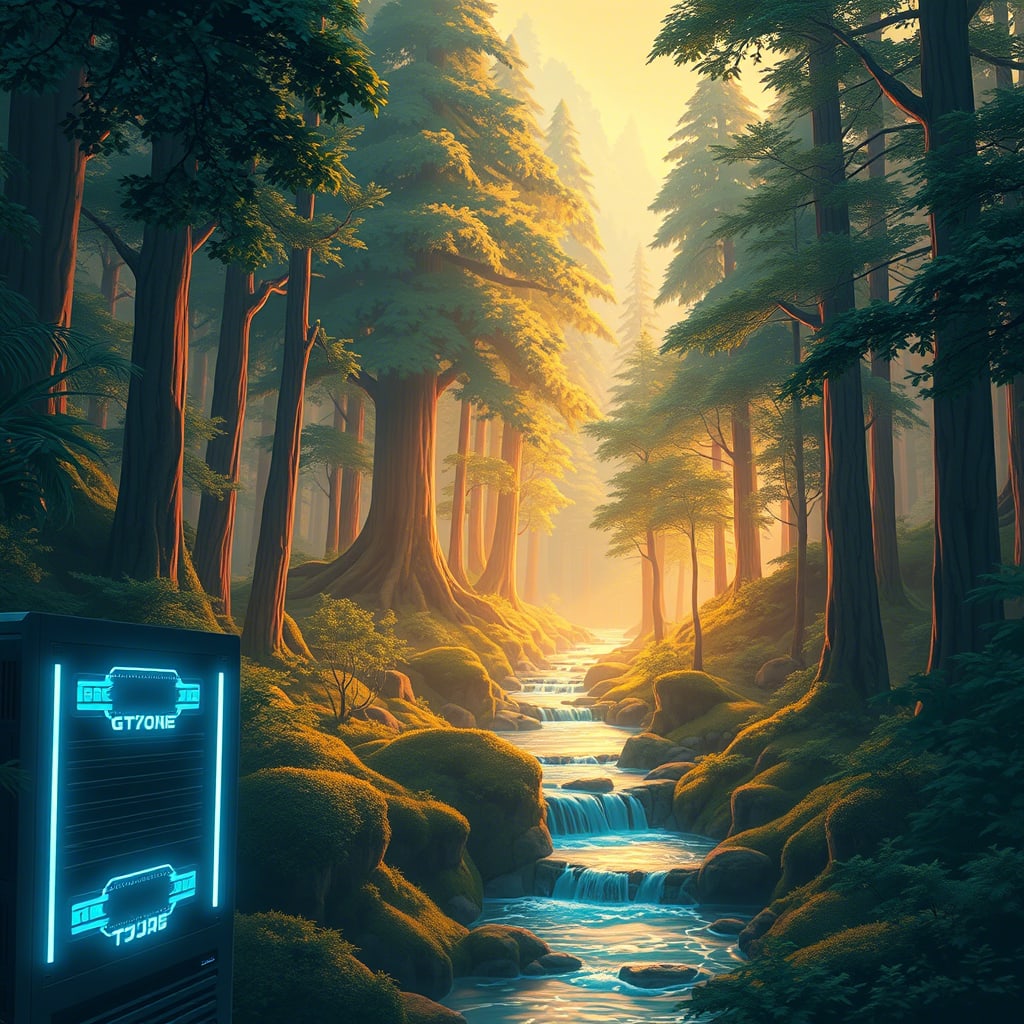
The recent surge in popularity of Ghibli-style images, combined with the overwhelming demand for AI-generated content, has raised concerns about the sustainability of current technological trends. While these whimsical, anime-inspired visuals are captivating users worldwide, they come at a significant cost to computational resources and environmental stability. OpenAI’s CEO, Sam Altman, humorously yet pointedly remarked that "our GPUs are melting," underscoring the immense strain placed on hardware by this growing trend. This phrase isn’t just a lighthearted exaggeration; it reflects a tangible issue within the AI industry as servers struggle to keep up with skyrocketing user demands.
Graphics Processing Units (GPUs), which serve as the backbone of artificial intelligence systems, have been pushed to their limits due to the massive influx of requests for image generation. These powerful processors handle complex calculations required for creating high-quality visuals, but when operating continuously under such heavy loads, they risk overheating or even failing altogether. The situation is exacerbated by the fact that generating a single AI-produced image requires billions of computations, tasks that only advanced GPU clusters can manage efficiently. Without improvements in system efficiency or additional infrastructure investments, companies like OpenAI may need to impose stricter rate limits to prevent overburdening their servers further.
However, the challenge extends beyond mere hardware constraints. Producing AI outputs—whether text-based responses or visual creations—consumes vast amounts of energy and water. For instance, crafting a simple 100-word reply using ChatGPT reportedly uses half a liter of water. To put this into perspective, the same amount of electricity could fully charge an iPhone 7 ten times over. Data centers housing AI models rely heavily on cooling mechanisms to ensure server temperatures remain stable during operation. Unfortunately, these cooling systems often utilize freshwater—a resource already strained in many parts of the world. As demand for AI services continues to grow, so too does the pressure on our planet's precious natural resources.
The psychological appeal of visual content cannot be ignored either. People are far more likely to share striking AI-generated images than plain text conversations. This tendency creates a competitive advantage for platforms offering multimodal capabilities, blending both textual and graphical elements seamlessly. In business terms, integrating features like Ghibli-style imagery strengthens customer loyalty and retention. Competitors who fail to match such offerings risk falling behind in the rapidly evolving AI landscape. Microsoft, having invested significantly in OpenAI, aims to maintain its leadership position within the AI ecosystem. However, the introduction of image functionalities directly within ChatGPT poses a potential threat to related services like Microsoft Bing Image Creator, as users might prefer staying within the OpenAI environment rather than switching between different tools.
OpenAI envisions building an all-encompassing AI platform where users can access diverse functionalities—from writing assistance to graphic design—all from one centralized location. By incorporating image generation into ChatGPT, the company eliminates the necessity for separate applications like DALL-E or MidJourney. This consolidation enhances what experts call "platform stickiness," meaning users become increasingly dependent on a single service for multiple needs. Consequently, individuals subscribing to OpenAI's paid tier, ChatGPT Plus, gain exclusive access to premium features unavailable to free-tier users. Initially, the image generation capability was restricted to Plus subscribers, incentivizing others to upgrade their accounts for unrestricted access. From a revenue standpoint, this strategy proves highly effective, driving subscription growth while bolstering overall user engagement.
Despite the undeniable benefits of integrating versatile AI tools, questions linger regarding whether this rapid expansion represents progress toward a brighter future or merely another looming crisis. On one hand, advancements in AI technology promise unparalleled convenience and innovation across various industries. On the other hand, the environmental toll and resource consumption associated with sustaining these systems warrant serious consideration. If left unchecked, the escalating demand for computational power could lead to severe ecological consequences, potentially outweighing the advantages gained through enhanced digital experiences.
Moreover, the societal implications of widespread AI adoption deserve careful examination. As reliance on automated systems grows, so does the risk of job displacement and economic inequality. Workers whose roles involve repetitive tasks susceptible to automation face uncertainty about their professional futures. Simultaneously, those able to harness AI effectively stand to benefit disproportionately, widening existing wealth gaps. Policymakers must address these disparities proactively, ensuring equitable distribution of opportunities stemming from technological breakthroughs.
In conclusion, while the integration of Ghibli-style images and similar innovations demonstrates remarkable strides in AI development, it also highlights pressing challenges that require immediate attention. Balancing innovation with sustainability remains paramount, necessitating collaborative efforts among tech giants, governments, and communities worldwide. Only through conscientious planning and responsible implementation can we navigate the complexities of this transformative era successfully. Whether viewed optimistically as a harbinger of unprecedented possibilities or pessimistically as a precursor to unforeseen difficulties, the ongoing AI boom undoubtedly marks a pivotal moment in human history—one demanding thoughtful reflection and strategic action moving forward.
About the Creator
sondos azhari
Passionate about health and beauty products, I delve into wellness practices and skincare routines. With a focus on holistic living.My aim is to empower others to prioritize self-care and make informed choices for their well-being.
Keep reading
More stories from sondos azhari and writers in Humans and other communities.
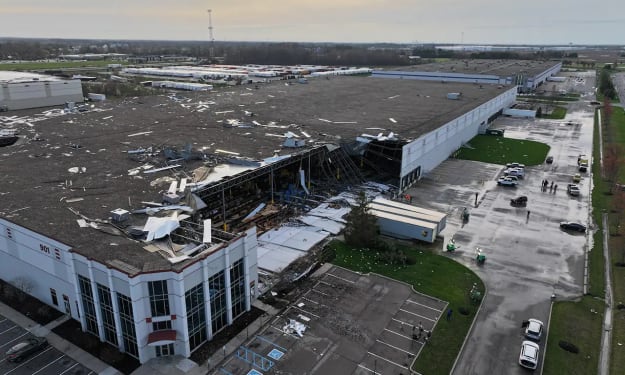
Indiana Under Siege: Tornadoes Tear Through Carmel and Beyond – A Community’s Resilience in the Storm
The Calm Before the Storm On the evening of April 2, 2025, Indiana residents braced for what meteorologists warned could be a “high-risk” severe weather event. By midnight, the skies over Carmel and Hamilton County darkened ominously, with rotating thunderstorms converging into a volatile system. The National Weather Service (NWS) issued tornado watches, but few could anticipate the ferocity of what was to come.
By sondos azhari10 months ago in Humans


Comments
There are no comments for this story
Be the first to respond and start the conversation.