
Why Do Strangers Speak for Others? The Psychology Behind Representing Lives We Never Lived 🧠💬
Why Strangers Speak on Behalf of Others


🌟 Introduction: Speaking for the Unseen—A Modern Phenomenon
Imagine scrolling through social media and seeing someone passionately defending—or condemning—a person they’ve never met. Maybe it’s a celebrity, a political figure, a historical icon, or even a total stranger caught in a viral video. They speak as if they knew them. They interpret intentions, declare what that person would’ve wanted, or criticize others for "disrespecting their legacy." But here’s the million-dollar question:
How can strangers speak on behalf of someone they’ve never known personally?
This isn’t just an online trend—it’s a psychological puzzle deeply rooted in human behavior, identity, and our growing need for social belonging. In this article, we unpack the psychology behind this phenomenon, explore its impact on public discourse, and offer actionable tips for how to respond when we see or feel compelled to do it ourselves.
🧠 The Psychology of Representing Others
Humans are social creatures. We have an inherent need to feel connected—not just to those around us, but also to ideas, legacies, and movements. Speaking on someone else’s behalf—even a stranger—can offer people:
1. A Sense of Moral Alignment
People often project their own values onto public figures or victims. When they speak "for" someone, they may actually be reinforcing their own moral compass.
Example: During public tragedies, strangers may claim, "They would’ve wanted peace, not revenge," even if they never knew the person. This reflects their personal ethics more than the individual’s actual beliefs.
2. Parasocial Relationships
We form one-sided emotional bonds with public figures, influencers, or even viral personalities. This illusion of closeness makes people feel qualified to speak on their behalf.
“I’ve watched every interview they’ve done—I know what they would’ve said.”
This is especially true in today’s culture of 24/7 content, where exposure creates a false sense of familiarity.
3. Projection and Self-Identification
When we relate to someone—through shared trauma, race, gender, beliefs—we subconsciously project our identity onto theirs. It becomes less about the individual, and more about what they represent.
Speaking for someone becomes a way of speaking for ourselves, under the veil of empathy.
📚 Social Media & The Amplification of Assumptions
The digital age has supercharged this phenomenon. Here's why:
🔄 Viral Culture Encourages Rapid Response
On platforms like X (formerly Twitter), Instagram, or TikTok, there’s a rush to have an opinion, especially when trending topics arise. People speak on behalf of others before full facts emerge.
This urgency fuels misinformation, misrepresentation, and digital tribalism.
🧏 Echo Chambers Validate Assumptions
Online communities often echo the same beliefs. If someone says, “She would’ve never approved of this,” others pile on with agreement—validating each other’s assumptions rather than challenging them.
🎭 Performative Allyship
Sometimes, speaking on someone’s behalf becomes more about public image than genuine advocacy. It’s a form of virtue signaling—aligning oneself with a perceived “right” side without actual involvement.
💥 Real-World Examples: When Speaking for Others Goes Wrong
⚖️ Case Study 1: The Misuse of MLK’s Legacy
Every year, especially around Martin Luther King Jr. Day, people cherry-pick quotes to support all kinds of causes. Often, his words are used out of context to justify viewpoints he may not have endorsed.
This highlights the danger of selective representation and the erasure of nuance.
📸 Case Study 2: Viral Victims in Internet Outrage
When a person becomes the subject of viral news—like someone caught on camera during a confrontation—strangers often speak on their behalf, claiming how they must’ve felt or what they deserved. Sometimes, these narratives are dead wrong and have devastating real-life consequences.
✅ Actionable Tips: How to Navigate This Ethically
Whether you're an observer or someone tempted to speak for others, here’s how to handle it with thoughtfulness:
🧭 1. Ask Yourself: Whose Voice Am I Centering?
Before speaking, pause and reflect: Am I centering this person’s voice, or am I inserting my own agenda under their name?
📖 2. Seek Direct Sources or Firsthand Voices
Where possible, uplift the voices of people who actually knew the individual or are from the same community. Sharing their perspectives is more respectful and accurate.
🧠 3. Acknowledge Limitations
It’s okay to say, “I didn’t know them, but this is how I feel.” That transparency matters. It avoids misrepresenting someone else's story as your own.
🔄 4. Be Open to Being Wrong
Speaking on someone’s behalf carries weight. If new facts emerge or you’re corrected, be willing to listen and revise your stance.
✋ 5. Avoid Absolutes
Avoid phrases like “They would never…” or “They always wanted…” unless you have direct evidence. Use more flexible language like, “From what’s publicly known, it seems like…”
💬 How This Affects Us All
Whether it’s on social media or during heated debates, speaking on someone else’s behalf can shape public opinion, influence justice outcomes, and impact real lives. That’s why it’s crucial to tread carefully, act ethically, and reflect deeply on the why behind our words.
Remember: advocacy is powerful, but assuming another’s voice without context or consent can do more harm than good.
🧩 Final Thoughts: Speak With, Not For
At the heart of this topic lies a simple but powerful truth: respect for autonomy. Whether someone is living, deceased, famous, or unknown, their voice deserves clarity—not misrepresentation.
If you feel inspired to champion someone’s legacy or experience, do it thoughtfully. Speak with empathy, amplify real voices, and always be willing to listen more than you speak.
That’s not just psychologically sound—it’s human. 💛
❓FAQ: Strangers Speaking for Others
Q: Why do people speak on behalf of others they don’t know?
A: It often stems from moral alignment, identity projection, or parasocial relationships that make people feel close to others they've never met.
Q: Is it ever okay to speak for someone you didn’t know personally?
A: It's possible to advocate for someone's values or legacy respectfully—especially when citing verified facts or elevating real voices from their circle.
Q: How can we respectfully support someone’s story without overstepping?
A: Use accurate sources, avoid assumptions, and acknowledge your distance from their personal experience.
Q: What’s the risk of speaking on behalf of others online?
A: It can spread misinformation, silence more relevant voices, and unintentionally distort someone’s legacy or truth.
About the Creator
Karl Jackson
My name is Karl Jackson and I am a marketing professional. In my free time, I enjoy spending time doing something creative and fulfilling. I particularly enjoy painting and find it to be a great way to de-stress and express myself.
Keep reading
More stories from Karl Jackson and writers in Humans and other communities.
What Concerns People
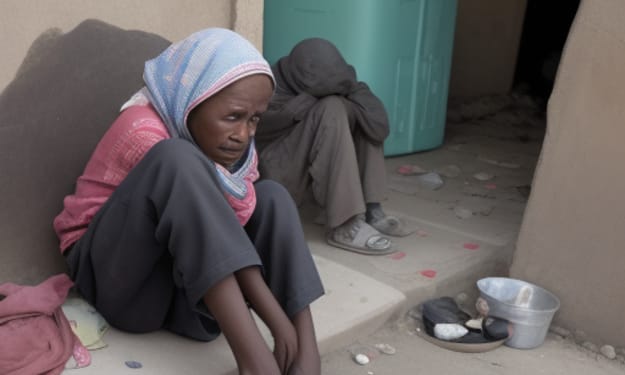
Poverty and social inequality are pressing issues that concern people around the world. They shape our communities, influence our economies, and ultimately affect our quality of life. In this blog, we will delve into the complexities of these challenges, raising awareness and understanding while encouraging a philosophy of empathy and collective responsibility.
By Karl Jackson12 months ago in Humans
My First Time Skiing and I Got Lost, Alone, in the French Alps
Looking back, I can trace some of my life’s biggest adventures to a simple action from my sister. She’d introduced me to Tommy (a very long time ago), a colleague of hers, who had overshared his penchant for Italian-looking women, and I ticked that box.
By Chantal Christie Weiss3 days ago in Humans
Practical Relationship Solutions For Singles Experiencing Emotional Unavailability In Partners
Emotional unavailability is an impossibility of the individual to express feelings, shun profound attachment, or even emotional closeness in partnerships. The relationships of singles who constantly meet emotionally unavailable partners are confused, frustrated, or rejected. These partners can seem interested at the beginning of the relationship but eventually back out as the relationship gets more demanding or more vulnerable.
By Mark Hipster3 days ago in Humans


Comments
There are no comments for this story
Be the first to respond and start the conversation.