
What Concerns People
Exploring Poverty and Social Inequality

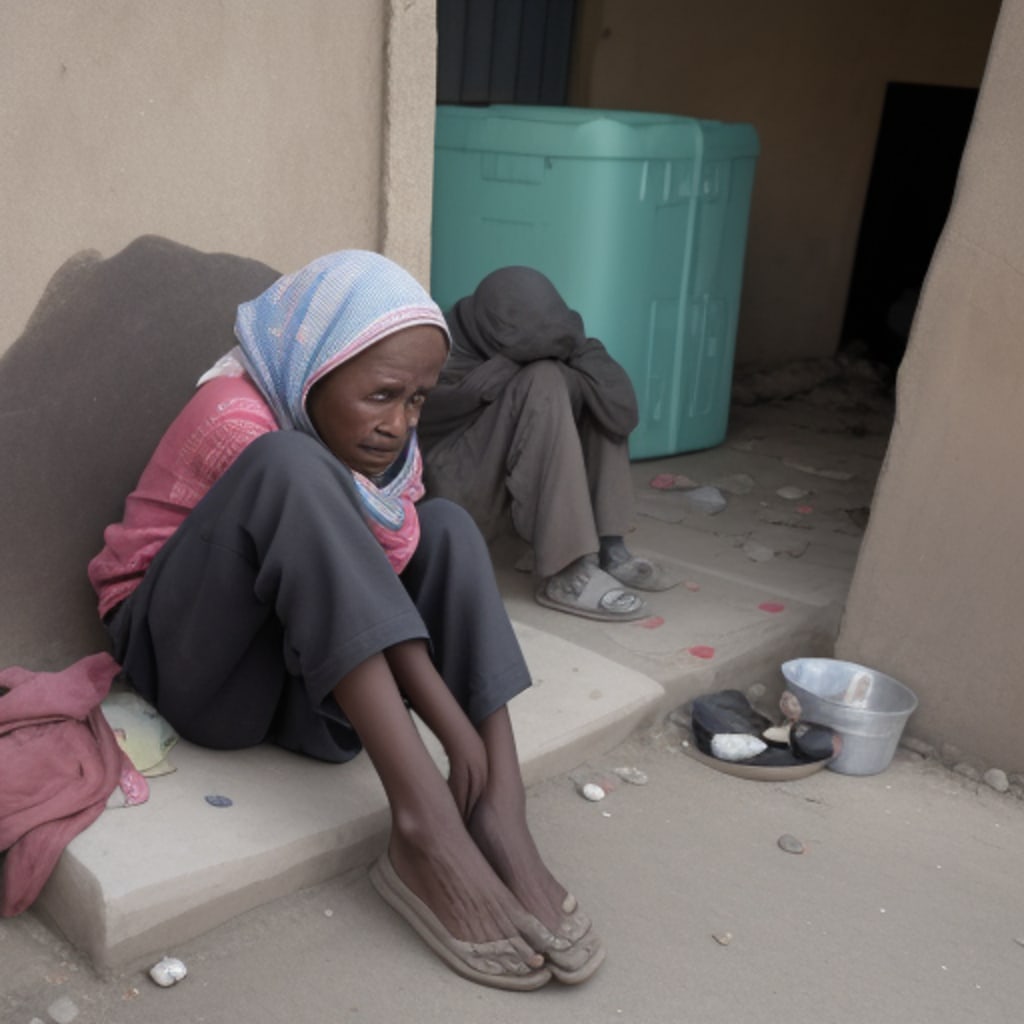
Poverty and social inequality are pressing issues that concern people around the world. They shape our communities, influence our economies, and ultimately affect our quality of life. In this blog, we will delve into the complexities of these challenges, raising awareness and understanding while encouraging a philosophy of empathy and collective responsibility.
## Understanding Poverty
### What Is Poverty?
At its core, poverty is the state of not having enough material possessions or income for a person's basic needs. It transcends mere lack of financial resources. Poverty impacts access to education, healthcare, clean water, and a safe living environment. It is a multifaceted issue that presents different faces depending on geographical, economic, and social contexts.
### The Dimensions of Poverty
- **Absolute Poverty**: Refers to a condition where individuals lack the essentials necessary for survival, such as food, shelter, and clean water.
- **Relative Poverty**: This concept relates to economic disparity within a specific context or society. People are considered relatively poor if their incomes fall below a certain percentage of the median income level in that society.
## Understanding Social Inequality
### What Is Social Inequality?
Social inequality denotes the unequal distribution of resources and opportunities based on aspects like race, gender, age, or socio-economic status. This disparity often leads to significant injustices, with marginalized groups facing systemic barriers to growth and opportunity.
### Forms of Social Inequality
- **Economic Inequality**: Refers to the large gap between the wealthy and the poor. It influences everything from political power to access to education.
- **Racial and Ethnic Inequality**: Historically marginalized groups often face discrimination that limits their opportunities for success.
- **Gender Inequality**: Women and gender minorities frequently experience disparities in wages, healthcare, and representation.
## The Interconnection of Poverty and Social Inequality
Poverty and social inequality are often intertwined. According to various studies, marginalized communities are disproportionately affected by poverty, perpetuating a cycle that is difficult to break. This cycle creates barriers to education and job opportunities, leading to further impoverishment. When we examine poverty through the lens of social inequality, we begin to understand that solutions must be holistic to be effective.
## The Human Cost
### Emotional and Mental Health Impacts
The effects of living in poverty can be far-reaching, impacting individuals’ mental and emotional well-being. The stress associated with financial insecurity can lead to anxiety, depression, and other health issues. In a society where social inequality prevails, the stigma attached to poverty can further isolate individuals, affecting their quality of life.
### Community Disruption
Social inequality can also disrupt community cohesion. People living in poverty often feel disconnected from those with greater resources, leading to tension, mistrust, and conflict within neighborhoods. Addressing these barriers requires more than just economic fixes; it demands a commitment to building bridges and fostering understanding.
## Addressing Poverty and Inequality
### Role of Education
Education is one of the most powerful tools in combating poverty and inequality. Accessible, high-quality education can empower individuals and provide them with the skills needed to secure stable, well-paying jobs. Educational initiatives must target both children and adults, creating lifelong learning opportunities.
### Policy Change and Advocacy
Governments play a crucial role in addressing these issues. Policies that prioritize social welfare, healthcare, and affordable housing can make a significant difference. Advocacy for these changes is vital, and citizens can make their voices heard through voting and community involvement.
### Community Engagement
Collective action can create meaningful change at the local level. When communities come together to address these issues, they often find innovative solutions tailored to their unique challenges. Initiatives may include community gardens, job training programs, and support networks that promote social cohesion.
## The Way Forward
Both poverty and social inequality represent significant challenges that should concern us all. By increasing awareness, engaging in meaningful discussions, and taking proactive steps, we can foster a more equitable society where everyone has access to the resources they need to thrive. Ultimately, improving these conditions requires collective effort and empathy, recognizing that in helping one another, we create a stronger, healthier world for all.
### Final Thoughts
Every movement toward social equality starts with an understanding of the issues at hand. By addressing poverty not only as an isolated concern but as a reflection of broader social injustices, we can make strides towards building communities that are inclusive and equitable for everyone. Remember, change begins with you—let's work together for a better future.
About the Creator
Karl Jackson
My name is Karl Jackson and I am a marketing professional. In my free time, I enjoy spending time doing something creative and fulfilling. I particularly enjoy painting and find it to be a great way to de-stress and express myself.
Keep reading
More stories from Karl Jackson and writers in Humans and other communities.
🧠 Everybody Is Not the Same: How Smart People See Through Cunning Behavior and Let Karma Do Its Work
Introduction: 🎭 Not Everyone Wearing a Halo Is an Angel We’ve all met someone who, at first glance, seemed like the victim—the person everyone rallied around, the one who had the saddest story in the room. But as time passes, their charm fades, and the truth begins to surface: their halo was just a disguise. 🕵️♀️
By Karl Jackson12 months ago in Humans
My First Time Skiing and I Got Lost, Alone, in the French Alps
Looking back, I can trace some of my life’s biggest adventures to a simple action from my sister. She’d introduced me to Tommy (a very long time ago), a colleague of hers, who had overshared his penchant for Italian-looking women, and I ticked that box.
By Chantal Christie Weiss2 days ago in Humans
10 Best Sugar Daddy Dating Sites in Asia to Meet Wealthy Asian Sugar Daddies (2026)
The best sugar daddy dating sites in Asia to meet Asian sugar daddies have transformed modern romance across the continent, offering a refined alternative to conventional online dating. Sugar daddy dating in Asia has experienced extraordinary momentum over the past decade, driven by rapid economic development, rising personal wealth among older men, and a growing culture of premium lifestyle experiences. Across countries such as Japan, South Korea, China, Singapore, Thailand, and the Philippines, more affluent men are turning to specialized platforms to connect with younger companions who appreciate generosity, mentorship, and shared luxury. These platforms combine the sophistication of elite matchmaking with the convenience of mobile technology, making it easier than ever to establish meaningful and rewarding cross-generational connections in one of the world's most dynamic regions.
By Mark Hipsterabout 15 hours ago in Humans



Comments
There are no comments for this story
Be the first to respond and start the conversation.