
Why Breakups Hit Harder in the Digital Age
The heartbreak doesn’t end with goodbye — it lingers in texts, timelines, and algorithms.


Breakups have always been painful — but today, they hit different. In the age of smartphones, social media, and instant messaging, moving on from someone you loved is no longer just an emotional process — it’s a digital one too. The person you’re trying to forget is still a tap away, still showing up in your feed, still part of your algorithm.
In this article, we’ll explore why modern breakups feel heavier, linger longer, and hurt deeper. We’ll unpack the emotional toll of digital closeness after emotional separation — and how Gen Z, in particular, is navigating heartbreak in a world that refuses to let us disconnect.
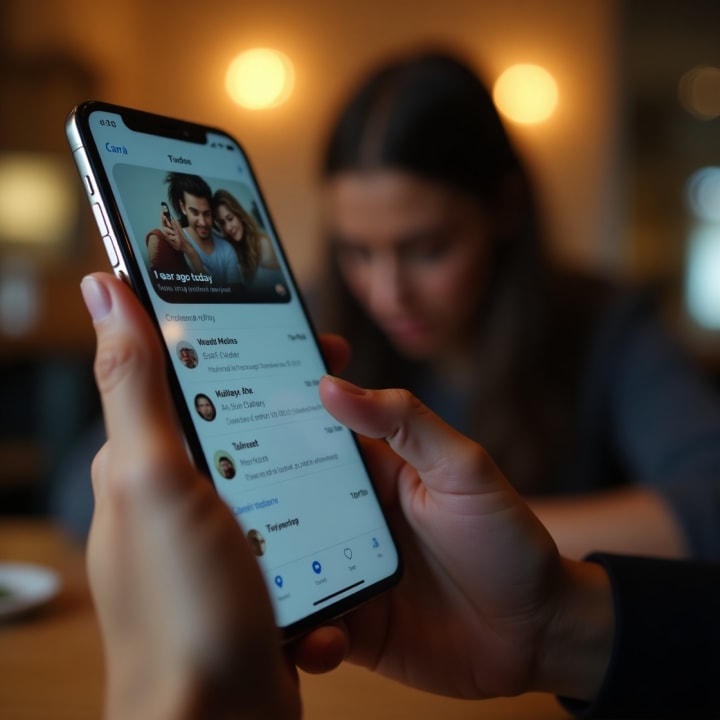
Section 1: Constant Access — The Breakup That Never Ends
In the past, a breakup meant separation — both emotional and physical. Today, it means:
Still seeing their Instagram stories
Accidentally liking a two-month-old photo
Watching them thrive (or pretend to) online
Being haunted by old messages and memories in your phone
This constant exposure prevents the emotional distance that healing requires. It’s like trying to recover from a wound while reopening it daily.
Why it hurts more now:
No closure from clean cuts
You see them “move on” in real-time
Curiosity becomes obsession
The digital world doesn’t allow breakups to be final — not unless you go no-contact online, which many people struggle to do.
Section 2: Social Media Comparison Trap
Social media is a highlight reel. And when you’re heartbroken, it becomes a weapon against yourself. You scroll through your ex’s new adventures, new friends, maybe even a new partner — and suddenly you feel:
Not enough
Left behind
Replaced
Comparison is grief’s enemy.
And even if they’re hurting too, they’ll likely post smiles — because that’s how we all curate our lives online. This illusion of happiness creates deep insecurity and prolongs emotional recovery.
Section 3: The Ghosts in Your Devices
In the digital age, memories don’t fade — they pop up as “On This Day” notifications.
Old couple photos
Voice notes
Playlists you made together
Archived chats that still exist
Our phones become emotional graveyards — filled with things that once felt eternal. And unlike physical letters or gifts, these digital remnants are harder to discard. You don’t just delete a message thread; you delete a piece of your shared timeline.
This makes healing a conscious, exhausting effort.

Section 4: The Illusion of Staying “Friends”
Many couples today choose to “stay friends” after breaking up — or at least keep following each other. But often, this isn’t friendship. It’s unprocessed attachment.
Why we stay connected:
Fear of appearing bitter
Hope for reconciliation
Curiosity about their life
Emotional dependency
But staying connected digitally keeps your healing in limbo. Every post, every like, every emoji — becomes emotional data you interpret:
“They liked my story — do they miss me?”“They didn’t watch my reel — are they over me?”
You’re still emotionally tied. You’re still decoding their signals. That’s not moving on.
Section 5: Gen Z, Attachment Styles, and Digital Dependency
Gen Z grew up online. Our relationships are built through texts, memes, snaps, and shared digital space. This means:
Digital presence = emotional presence
Unfollowing feels like abandonment
Silence online feels louder than words
For anxiously attached individuals, breakups can trigger intense withdrawal symptoms — especially when the source of connection was also digital. We don’t just miss the person; we miss the dopamine hits from notifications, the late-night chats, the digital closeness.
The breakup becomes a withdrawal — from both love and technology.

Section 6: Healing in the Age of Hyper-Connection
Healing today isn’t just about letting go — it’s about logging off. And that’s hard. But possible.
Steps for emotional recovery in the digital age:
Go No-Contact Online
Unfollow, mute, or block if needed
Not to punish — to protect your peace
Delete or Archive Shared Memories
Create a “grief folder” — you don’t have to erase everything, just don’t revisit it daily
Limit Social Media Use
Especially during emotional spikes
Replace doomscrolling with journaling, walks, or creative outlets
Talk it Out
Therapy, friends, or support communities
You’re not weak for grieving deeply
Reclaim Digital Space
Change wallpapers, unfollow mutuals who trigger you, curate new content that inspires growth
Healing today is not just emotional. It’s environmental.

Conclusion
Breakups have always been hard — but in the digital age, they’re relentless. There’s no clean break when everything is connected. Our phones become archives of love and loss. Our feeds reflect our pain. Our hearts ache with every notification.
But you can take control. You can choose peace over curiosity. You can unfollow, delete, and let go — not out of spite, but out of self-love.
You deserve healing that isn’t interrupted by algorithms. You deserve space to move on — fully, freely, and offline.
Thank you for reading!
Have you ever struggled to move on in the digital age? What helped you heal?
👉 Share your story in the comments — you never know who you might help.
💬 Like this article? Hit like, subscribe, and share it with someone who needs digital peace after a breakup. 😊
About the Creator
F. M. Rayaan
Writing deeply human stories about love, heartbreak, emotions, attachment, attraction, and emotional survival — exploring human behavior, healthy relationships, peace, and freedom through psychology, reflection, and real lived experience.
Keep reading
More stories from F. M. Rayaan and writers in Humans and other communities.
First Date Planning Tips To Ensure Success And Positive Connection
The initial date determines the atmosphere of a prospective relationship and careful consideration at this stage is important. An effective first date enables both the parties to be in a space in which they feel at ease, relaxed and receptive to being connected. As a positive influence, it is important to consider the setting, activities, and timing, which may decrease the anxiety and provide positive interactions. Efforts, courtesy, and sincere interest on the first date can make an impact because it shows that one has planned the date well and has thought about it. Making strategic choices will keep both the partners entertained as they get to know each other in terms of compatibility, interest and chemistry. These aspects are to be prioritized in order to have a meaningful memorable experience.
By Mark Hipster7 days ago in Humans
TUS NUA - ch 53
TUS NUA – ch 53 New Beginnings – Mia and Midnight (*)(*)(*) Finola knew Ali’s brother-in-law needed to put his mind at rest. She fed her arm through his and led him outside. “We’ll sit here. If you like, I can put a block around us so our conversation will be private.”
By Margaret Brennan6 days ago in Fiction


Comments (2)
Thankfully I haven't been through a break up in a while, but I can see how it would be a lot harder in this day and age.
I love the way you broke this up into sections; it made the writing so much clearer! This is just so helpful, Mr. Rayaan!