
The Psychology of Situationships: Stuck Between Love and Freedom
Why Gen Z is redefining commitment — and getting emotionally stuck in the process

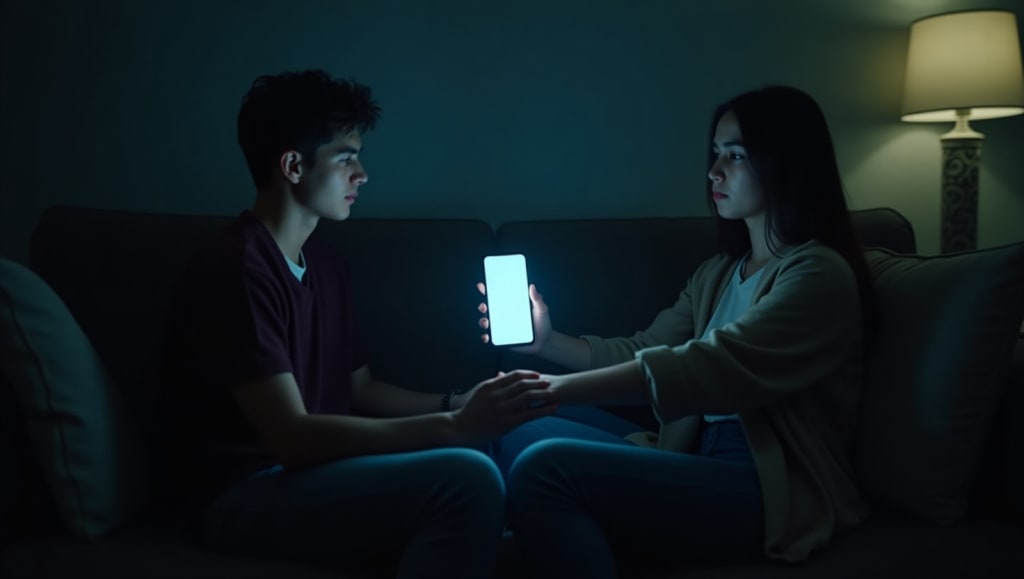
You talk every day. You share memes, dreams, maybe even sleep together. But if someone asks, “Are you together?” — you pause. You don’t know. Neither do they.
Welcome to the modern maze of situationships — a romantic connection that isn’t clearly defined, yet feels emotionally consuming.
This blurry space between friendship and relationship is where many Gen Z-ers live today. It's casual, convenient, and emotionally complex. But why are we drawn to this in-between state, and what does it reveal about our generation’s fears, needs, and psychology?
Let’s dive into the emotional truths behind situationships — where love, freedom, and confusion collide.

Section 1: What Is a Situationship?
A situationship is more than a friendship, but not quite a relationship. There’s:
No label
No commitment
No clarity
Yet there’s emotional intimacy, physical connection, and often, unspoken expectations.
This undefined state can offer freedom, but also creates emotional uncertainty. It’s like walking a tightrope without knowing the destination.
Section 2: Why Gen Z Is Drawn to Situationships
Gen Z grew up watching relationships break — in real life and online. Divorce rates, cheating scandals, and toxic portrayals of love on social media have made many wary of commitment.
We prefer:
Flexibility over labels
Autonomy over attachment
Texts over tough talks
Situationships offer a way to feel connected without the perceived risks of commitment. But that freedom often comes at the cost of emotional safety.
Section 3: The Psychological Toll of Ambiguity
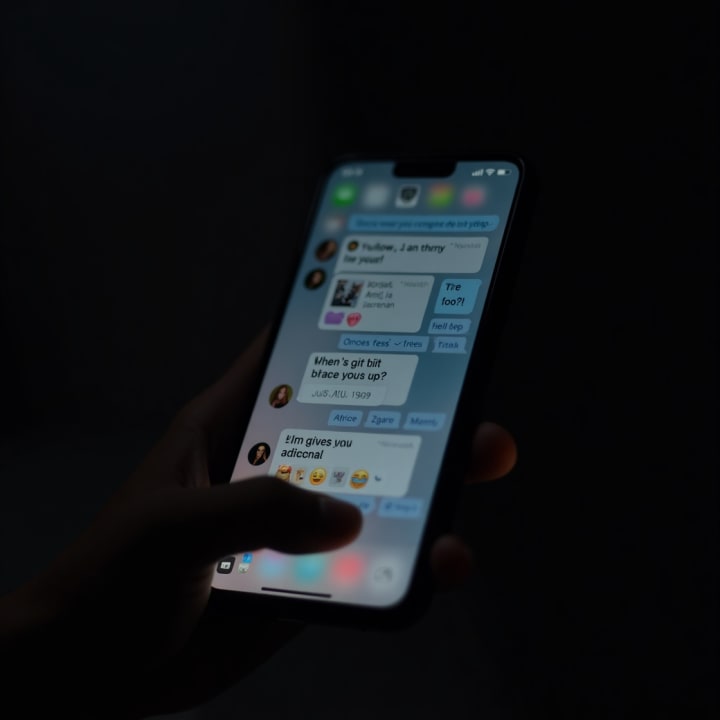
While it might seem casual, situationships can trigger deep emotional confusion and anxiety:
Attachment anxiety: Not knowing where you stand creates insecurity.
Overthinking: Every message feels like a test or clue.
Emotional limbo: You're investing in someone without clarity or direction.
This can leave people feeling:
Drained
Stuck
Unworthy of “real” love
We may act chill on the outside, but inside, many of us are unraveling.
Section 4: How Situationships Mirror Childhood Wounds
Many situationships reflect our early attachment patterns:
If you had inconsistent caregiving, you might be drawn to unpredictable partners.
If love felt conditional growing up, you might feel the need to earn affection in unclear dynamics.
This isn’t about blaming — it’s about understanding. Recognizing how the past plays into our present can be the first step toward healing.

Section 5: When Freedom Feels Like Abandonment
One of the biggest myths around situationships is that they’re empowering. But for many, freedom without clarity feels like:
Being disposable
Always waiting
Never being “enough” to be chosen
This can hurt more than a breakup — because the relationship never officially existed to mourn.
Section 6: Breaking the Cycle — Or Redefining It
If you're in a situationship and feeling stuck, ask yourself:
What do I really want?
Am I being honest with myself and the other person?
Is this connection nourishing me or draining me?
Tips for reclaiming emotional clarity:
Communicate honestly: If you want more, say it.
Set boundaries: Casual should still be respectful.
Detach with compassion: If it’s no longer serving you, walk away gently but firmly.
You’re allowed to want clarity. You’re allowed to want love with structure.

Conclusion
Situationships aren’t inherently bad — some people genuinely thrive in them. But they become toxic when they pretend to be more than they are, or when they hold us in emotional captivity.
Gen Z is rewriting the rules of romance. But clarity, communication, and emotional honesty must still guide the way.
You deserve a love that doesn’t make you question your worth.
You deserve something that feels like home — not like a test you’re always failing.
Thank you for reading!
Ever been in a situationship that left you confused or hurt? Or maybe one that actually worked for you?
👉 Share your experience in the comments — your story might help someone else feel seen.
💬 Like this article? Hit like, subscribe, and don’t forget to share it with a friend stuck in the “what are we?” phase. 😊
About the Creator
F. M. Rayaan
Writing deeply human stories about love, heartbreak, emotions, attachment, attraction, and emotional survival — exploring human behavior, healthy relationships, peace, and freedom through psychology, reflection, and real lived experience.
Keep reading
More stories from F. M. Rayaan and writers in Humans and other communities.
Is It Love or Just a Wound to Heal?
Have you ever met someone and felt an intense, almost unexplainable pull toward them? Like you've known them forever, or that they were meant to come into your life? Sometimes, that electric connection isn't love — it's a reflection of something much deeper: a wound waiting to be healed.
By F. M. Rayaan7 months ago in Humans




Comments
There are no comments for this story
Be the first to respond and start the conversation.