
Why Are the Finns So Freaking Happy? (And What You Can Steal from Them)
A deep dive into the world’s happiest nations—and the simple secrets behind their collective joy

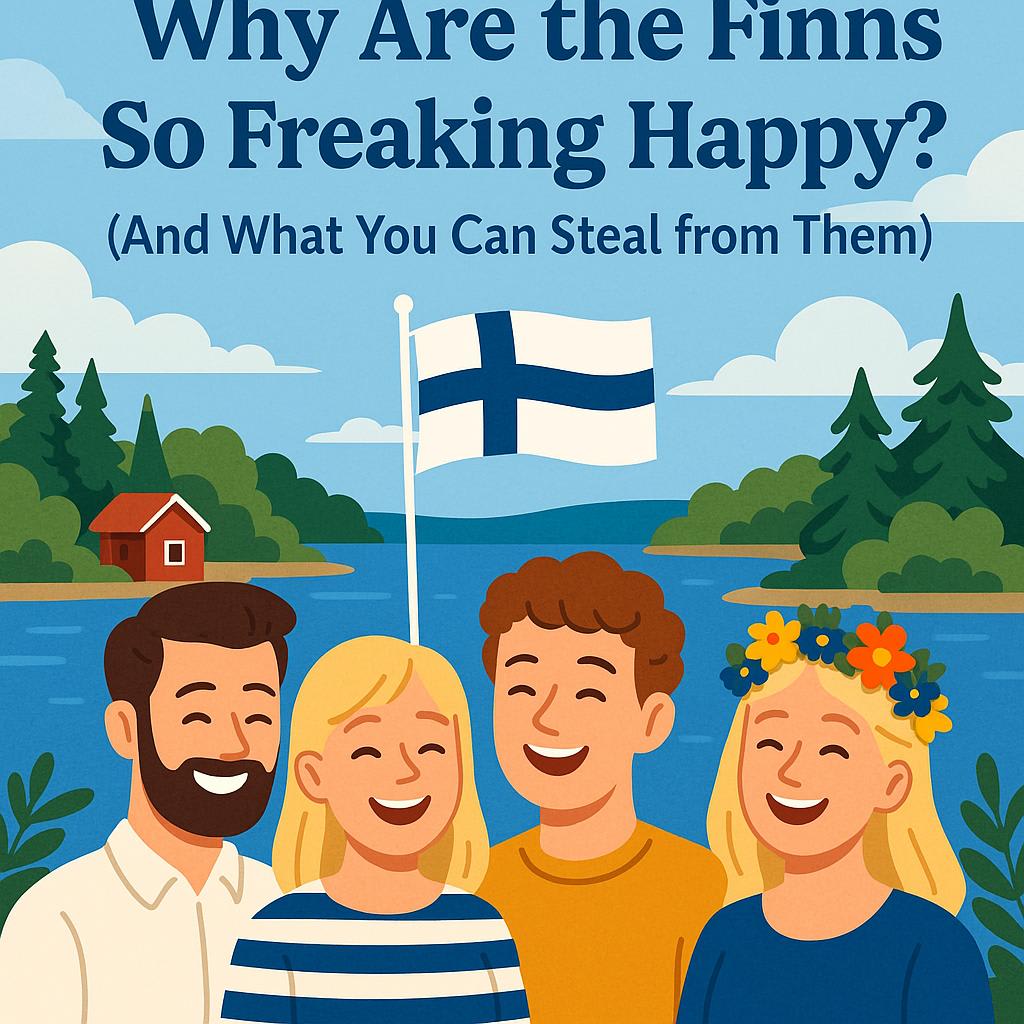
What If Happiness Was a National Habit?
Why do some people seem to wake up smiling while others can barely face the day? Now imagine entire countries full of those smiling people. Sounds like a fairy tale—or a tourism ad—but it’s real.
According to the World Happiness Report, nations like Finland, Denmark, and Iceland consistently rank among the happiest on Earth. These are not sunny beach paradises. They endure long, dark winters, pay high taxes, and yet they thrive. Why?
This isn’t just a curiosity—it’s a blueprint. If we understand what makes these nations tick, maybe we can reverse-engineer some of that magic into our own lives, wherever we are.
So what are they doing right? And more importantly—can you do it too?
Let’s unpack the happiness habits of the world’s most joyful people.
The Scandinavian Equation — Why Cold Countries Keep Winning
If you think happiness comes from sunshine and sangria, Scandinavia will prove you wrong. Finland, crowned the happiest country for seven years straight, has neither. So what's their secret?
1. They Trust Each Other (and Their Leaders)
In Finland, if you drop your wallet, chances are someone will return it. In a global “lost wallet” experiment, Finnish citizens were among the most honest. This points to a critical factor: social trust.
Scandinavians trust their governments, police, healthcare systems, and each other. Corruption is rare. When people believe the system works, stress drops.
2. They Don’t Chase Status
In these countries, wealth isn't flaunted. A millionaire might ride the bus next to a student, and no one bats an eye. Simplicity is respected. This levels the social playing field and reduces the anxiety of keeping up.
3. They Work Less, Live More
The average Finn works about 1,600 hours per year—far less than Americans. Yet their productivity remains high. Their secret? Work-life balance. Government policies support parental leave, vacation time, and flexible hours.
4. Nature Is Non-Negotiable
Nature isn’t a luxury in the Nordic countries—it’s a right. In Finland, “Everyman’s Right” means anyone can roam the forests and forage mushrooms. Walking in the woods isn't a weekend treat; it's part of life. Studies show time in nature boosts mood, lowers cortisol, and improves focus.
The Nordics show us that happiness isn’t about more—it’s about enough. Now let’s explore how culture shapes emotional wellbeing.
Culture of Contentment — How Mindset Makes a Nation Smile
Some countries bake emotional well-being into their culture. These aren’t just government policies; they’re deeply held beliefs passed down through generations.
1. Hygge, Sisu, Lagom—Words That Shape the Soul
- Hygge (Denmark): A cozy, warm atmosphere with friends and comfort food.
- Sisu (Finland): Inner strength and resilience during tough times.
- Lagom (Sweden): Not too much, not too little—just right.
These untranslatable words represent values that promote balance, gratitude, and emotional resilience. Instead of chasing highs, they cultivate steadiness.
2. Emotional Honesty
Happiness in Nordic countries isn’t about forced positivity. It's about accepting the full spectrum of emotions. Icelanders, for instance, are known for embracing sadness and expressing it through music and art. They don’t fear negative emotions—they integrate them.
This openness builds emotional resilience. Rather than suppressing stress or pretending all is well, people talk about their problems, seek help, or simply sit with discomfort without shame.
3. Mental Health Is Not Taboo
In Norway, therapy isn’t whispered about—it’s common. Government-subsidized mental health care makes it accessible to most people. Proactive mental care reduces long-term suffering and destigmatizes asking for help.
4. Generosity as a Social Norm
In Finland, nearly 60% of people say they’ve donated money or time in the past year. Volunteering and altruism are built into the culture. Giving creates connection and a sense of purpose—key pillars of lasting happiness.
While culture lays the emotional foundation, the next layer is structure—how policies and systems support happiness.
The Politics of Happiness — When Governments Actually Help
Let’s be honest: Happiness isn’t just personal. It’s political. And in the happiest countries, governments actually do their job.
1. Universal Healthcare and Education
No surprise here: When you don’t have to worry about getting sick or going broke from student loans, stress plummets. Finland offers free education through university. Norway and Denmark provide universal healthcare. These aren’t luxuries; they’re considered basic rights.
It levels the playing field, offering everyone a fair shot at stability—regardless of background.
2. Childcare and Parental Leave
In Sweden, parents get 480 days of paid leave to share. Compare that to the U.S., where paid leave isn’t guaranteed. When families can care for children without financial panic, they’re more secure—and their children grow up happier too.
3. Urban Design for Well-being
Helsinki, Oslo, and Copenhagen are designed for people, not cars. Public transportation is efficient. Parks are everywhere. Bike lanes are safe. This kind of urban planning reduces stress, improves health, and promotes community.
4. Economic Security without Obsession
Nordic tax rates are high, but citizens feel they get value for money. Safety nets like unemployment insurance, disability benefits, and retirement pensions mean people aren't paralyzed by fear of failure.
And here’s the kicker: People in these countries are still ambitious. But they pursue goals from a place of security—not desperation.
Systems matter, but so does perspective. Let’s now shift from nations to individuals—and explore what we can do to increase our own happiness.
Steal Their Secrets — How You Can Build Happiness, Wherever You Live
You don’t have to move to Finland to feel better. The happiest countries offer lessons we can apply today.
1. Prioritize Relationships
In every top-ranking country, social connection is a key factor. Make time for friends. Eat dinner with family. Walk with a neighbor. These small acts buffer stress and increase joy.
Tip: Block time in your calendar for “friendship maintenance.” It’s as important as work.
2. Move with Purpose
Whether it’s biking to work, walking in the woods, or taking a lunchtime stroll—daily movement boosts endorphins and reduces anxiety. You don’t need a gym. Just go outside.
Tip: Leave your phone at home. Let your senses reset.
3. Embrace “Enough”
The happiest people don’t chase more—they appreciate enough. Practice gratitude daily. List three things you’re grateful for. Avoid comparison. Unfollow accounts that make you feel inadequate.
Tip: Create a “joy inventory”—things that lift your mood, cost nothing, and are always available.
4. Simplify and Slow Down
Nordic life emphasizes quality over quantity. Fewer things. Slower meals. More presence. This mindfulness reduces mental clutter.
Tip: Try a weekly “slow hour” with no screens, noise, or multitasking. Let your brain breathe.
5. Speak Openly About Mental Health
Make therapy normal. Talk to friends about your mental well-being. Don’t wear stress as a badge of honor. Vulnerability isn’t weakness—it’s strength.
Tip: If therapy isn’t accessible, find a support group, journaling habit, or trusted listener. Share your load.
Conclusion: The Pursuit of Collective Joy
Happiness isn’t a lottery ticket—it’s a practice. The world’s happiest countries don’t rely on constant pleasure or perfect weather. They’ve built a culture and system that fosters trust, equity, and balance. And yes, a bit of sauna time helps too.
But their greatest secret? They prioritize well-being over winning.
You don’t need Finnish citizenship to adopt these values. Start with one: Take a walk outside. Call a friend. Schedule rest. Be kinder to yourself.
Because while governments shape the terrain, we each walk our own path. And that journey starts with a simple, radical act: choosing to care about your happiness.
Now your turn:
What’s one thing you’ve learned from the world’s happiest countries that you might try this week? Share your thoughts in the comments—your story could inspire someone else.
About the Creator
Alain SUPPINI
I’m Alain — a French critical care anesthesiologist who writes to keep memory alive. Between past and present, medicine and words, I search for what endures.
Keep reading
More stories from Alain SUPPINI and writers in Humans and other communities.
Mastering French Without Losing Your Sanity: A Realistic Guide for Beginners
Learning French can feel like solving a Rubik’s Cube blindfolded. The tricky pronunciation, the never-ending grammar rules, and the surprising exceptions make it seem impossible. But don’t worry—equipping yourself with key expressions and effective strategies can turn frustration into fluency. Let’s simplify French and make learning enjoyable.
By Alain SUPPINIExclusive • 11 months ago
Silver Screen Magic with Mae West
American actress and singer Mae West became a popular film actress during the Great Depression. She started entertaining in vaudeville, then performed on Broadway, and finally went to Hollywood. She signed up with Paramount Pictures and made her debut in the 1932 film “Night After Night.” She also starred in musicals, comedies, and crime dramas. The American Film Institute named her one of the best classic Hollywood actresses.
By Rasma Raisters6 days ago in Geeks


Comments
There are no comments for this story
Be the first to respond and start the conversation.