
Who Are You In a Relationship?
Reflecting on you instead of projecting on them


Ever interacted with someone single when they start talking about THE LIST? You know — that list of everything they want in their potential partner. Some people have a general idea with standard adjectives like the person needs to be funny, kind, or nice. Others have a more specific criteria right down to a set height, eye colour, and how that potential match better behave and the responsibilities they need to do for them. While I have no issue with a reasonable understanding of what you need and are looking for in a partner, I strongly believe you need to know who you are in a relationship before you make your recipe for a mate.
Through relationships we evolve and learn more of our identity including what we like and don't like. This is also something that continues to evolve through different relationships and through different stages of our life. Perhaps when you're new to dating, you haven't fully figured out who you are and who you can be to someone else. For example, maybe you are someone who is independent and will do things yourself to make sure they are done “right,” or in other words done your way. It may be hard for you to share control with another if they don't do things to your standards. Maybe you are the type of person who can’t communicate your needs yet so you shut down and go silent to avoid having those hard discussions, which breaks down the openness and communication in your relationship. Or perhaps you are insecure and feel unlovable so you get jealous and/or fearful that the person will leave you for someone "better". As we evolve, we may also develop habits or have traits that can cause strain on relationships. If you've been cheated on, it can be hard to let go of the insecurities associated with that and it may make it difficult for you to be trusting of your partner. These self attributes and many others can cause huge issues in a relationship when unaware of the damage they cause.
However, there are also positive things we bring forward for a partner. Perhaps you are attentive and you know the right thing to do or say to help your partner relax. Maybe you are funny and find ways to make your partner laugh daily. You may be a gift giver who likes to find things to make your partner feel special. Possibly, you could have the strength of self reflection so you continue to grow and evolve into a better version of yourself as you learn from lessons and situations. Maybe you are trusting or quirky or confident. No matter what your strengths are, remember that the qualities you love about yourself and the positives you bring forward into a relationship, the right person is going to love that about you too.
So who are you in a relationship? What is it that you bring to the table when dating?
This is an important self reflective process when searching for a partner. It’s important to learn who you are in and out of a relationship. Remember that you are a constant evolution. If you are someone who sits down to write a list of what you’re looking for, you should be able to write a list of who you are and what you bring to a connection too. Take a moment and reflect. Look at who you are in a relationship. What are your green flags — your pros, and what are your red flags — areas to work on. Determine what you are still projecting based on past experiences so that you can move on to attract more of the qualities you are hoping for in a person — with or without a list to find them!
Highlight what makes you fabulous in and out of a relationship and those areas you need to work on to create harmony and balance in your life in and out of a relationship. We all have pros and cons, but through self reflection we can determine those positive attributes and the things we can work on to make us even better for when we do find someone who does check off the boxes on our list.
About the Creator
Katia Dixon
Avid writer of children's stories and reflective pieces. A teacher, mother, and optimist. Often focusing on the lessons through experience and the importance of openness through the communication with others, including with kids.
Keep reading
More stories from writers in Humans and other communities.
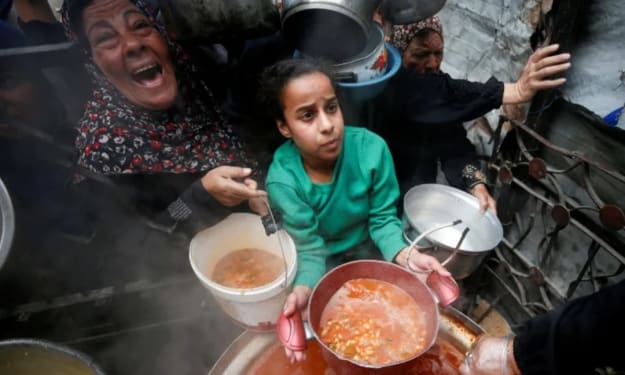
‘Red Line’: Global NGOs Working in Gaza Defy Israel’s Threats After MSF Ban
International non-governmental organizations (NGOs) operating in Gaza have signaled their intent to continue humanitarian work despite rising tensions and reported threats following a ban involving Médecins Sans Frontières (MSF). The situation has sparked global debate over humanitarian access, the safety of aid workers, and the responsibilities of governments during conflict situations.
By Aarif Lasharia day ago in Humans



Comments
There are no comments for this story
Be the first to respond and start the conversation.