
‘Red Line’: Global NGOs Working in Gaza Defy Israel’s Threats After MSF Ban
Aid organizations signal determination to continue humanitarian operations
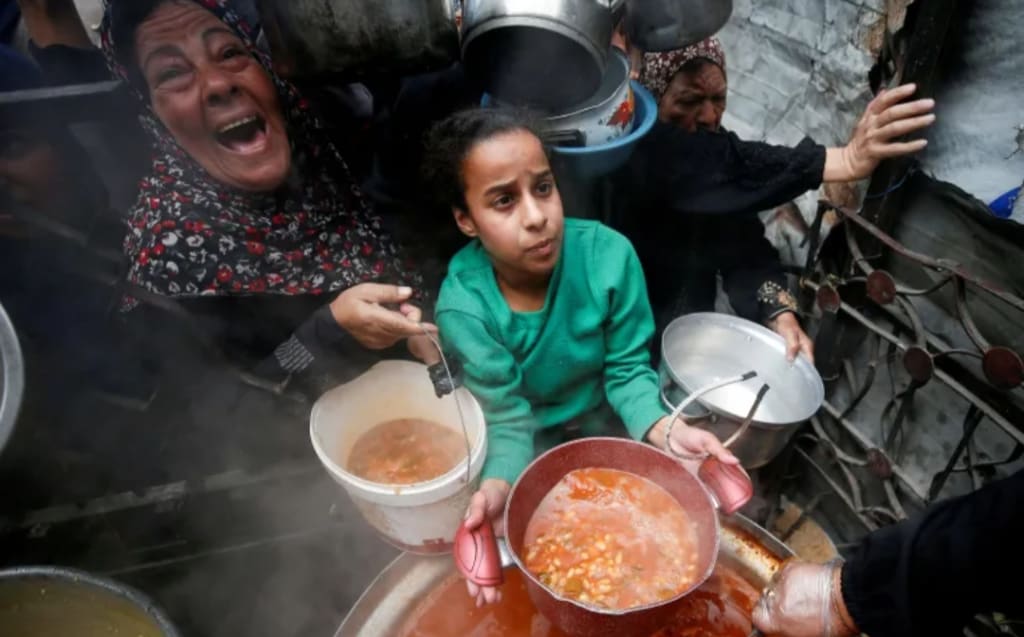
International non-governmental organizations (NGOs) operating in Gaza have signaled their intent to continue humanitarian work despite rising tensions and reported threats following a ban involving Médecins Sans Frontières (MSF). The situation has sparked global debate over humanitarian access, the safety of aid workers, and the responsibilities of governments during conflict situations.
As humanitarian needs in Gaza remain significant, the standoff highlights the increasingly complex relationship between security policies and humanitarian operations in conflict zones.
The Role of NGOs in Conflict Zones
Global NGOs play a critical role in providing life-saving services in areas affected by war or political instability. These organizations often deliver healthcare, food assistance, water supply support, and emergency shelter for displaced populations.
In conflict environments, NGOs often focus on:
Emergency medical treatment
Food distribution and nutrition programs
Clean water and sanitation support
Mental health and trauma services
Support for displaced families
Their work is often considered essential when local systems are overwhelmed.
The Significance of MSF in Humanitarian Operations
Médecins Sans Frontières, also known as Doctors Without Borders, is one of the world’s most recognized humanitarian medical organizations. It operates in some of the most dangerous conflict zones globally, providing independent medical care regardless of political or military conditions.
MSF’s global reputation is built on:
Neutrality and independence
Rapid emergency medical deployment
Focus on underserved conflict regions
Advocacy for humanitarian access
Actions involving MSF often attract significant international attention because of the organization’s global credibility.
Why NGOs Are Describing the Situation as a ‘Red Line’
The term “red line” is often used by humanitarian groups to signal a point beyond which humanitarian access or safety is considered unacceptable. NGOs emphasize that restricting medical and humanitarian access can worsen civilian suffering.
Humanitarian groups often stress principles such as:
Protection of medical neutrality
Safe access for aid workers
Unrestricted delivery of humanitarian supplies
Protection of civilian populations
When these principles are challenged, NGOs often speak out publicly.
Security Concerns and Government Perspectives
Governments involved in conflict situations often cite security concerns when restricting operations. Authorities typically argue that controlling movement and activities in conflict zones is necessary to prevent security threats.
Security concerns often include:
Monitoring cross-border movements
Preventing smuggling or misuse of aid channels
Managing military risks
Maintaining control in conflict environments
Balancing humanitarian access with security priorities remains one of the most difficult aspects of modern conflict management.
Risks Faced by Humanitarian Workers
Aid workers operating in conflict zones face significant risks. These risks can include physical danger, logistical challenges, and emotional stress from working in crisis environments.
Common risks include:
Exposure to active conflict zones
Limited medical infrastructure support
Psychological stress and trauma exposure
Transportation and communication challenges
Despite these risks, many humanitarian workers continue their missions due to commitment to civilian support.
International Reaction and Global Pressure
The situation has drawn reactions from international organizations, governments, and human rights groups. Many global actors often call for continued humanitarian access and protection of medical neutrality.
International responses typically include:
Diplomatic pressure for humanitarian corridors
Monitoring of humanitarian access
Calls for protection of medical facilities
Advocacy for civilian protection
Humanitarian access often becomes a major topic in international diplomatic discussions.
Humanitarian Needs in Gaza
Humanitarian agencies often highlight ongoing civilian needs in Gaza, including healthcare access, food security, and infrastructure support.
Priority humanitarian needs often include:
Hospital and healthcare system support
Food supply stability
Access to clean water
Shelter for displaced populations
Mental health support
Aid organizations argue that consistent humanitarian access is necessary to prevent worsening humanitarian conditions.
Legal and Ethical Debates
The situation also raises broader questions about international humanitarian law. These laws aim to protect civilians and medical workers during armed conflict.
Key humanitarian law principles include:
Protection of medical facilities
Protection of civilians
Safe passage for humanitarian aid
Respect for medical neutrality
Debates often arise over how these principles are applied in complex conflict situations.
The Future of Humanitarian Access
The future of NGO operations in Gaza will likely depend on security developments, diplomatic negotiations, and international pressure. Humanitarian organizations often advocate for predictable and consistent access rather than temporary or conditional arrangements.
Possible future developments include:
Expanded humanitarian corridors
Increased international monitoring
New diplomatic agreements related to humanitarian access
Greater coordination between governments and aid agencies
Conclusion
The standoff involving global NGOs working in Gaza and the reported ban on MSF highlights the ongoing tension between security policies and humanitarian access in conflict zones. While governments often prioritize security, humanitarian organizations emphasize the urgent need to protect civilians and maintain access to life-saving services.
As the situation evolves, international attention is likely to remain focused on ensuring humanitarian operations can continue safely and effectively. For civilians caught in conflict zones, the outcome of these disputes can directly affect access to healthcare, food, and essential services.
Ultimately, the debate underscores a broader global challenge: how to balance security concerns with humanitarian responsibility in modern conflicts.
About the Creator
Keep reading
More stories from Aarif Lashari and writers in Humans and other communities.
Iran Accused of ‘Campaign of Revenge’ as Doctors Arrested for Treating Protesters
Arrest of Medical Professionals Recent reports indicate that Iranian authorities have arrested multiple doctors and healthcare workers who treated individuals injured during nationwide protests. Human rights organizations describe these arrests as part of a “campaign of revenge”, targeting medical professionals for fulfilling their ethical duties.
By Aarif Lashari4 days ago in Humans
Time to change your life.
Is it even possible for you to change your life? A lot of people, more than there should be, are unhappy with their lives. But what are they doing about it? Usually nothing. People talk about how shitty their lives are and want change, but are they not taking the actions to change?
By Jen Phillips2 days ago in Humans
Dating Burnout Is Real And Breaking Hearts Across Generations Worldwide
Dating used to be interpreted as a romantic adventure to love and friendship. Nowadays, it is a draining emotional process of uncertainty, disappointment, and confusion to many people. Dating burnout is being witnessed among various age groups and cultures. Such emotional burnout is a result of numerous unsuccessful relationships, lack of intention, and a demand to discover love in a digitalized world full of hurry. Rather than being optimistic, most people are exhausted, disappointed and willing to surrender. The problem of burnout dating is not only my problem, but a world-wide emotional crisis of all people with fiery hearts.
By Grace Smith6 days ago in Humans




Comments
There are no comments for this story
Be the first to respond and start the conversation.