
What Is Manual Muscle Testing and How Does It Relate to Pilates?
Manual Muscle Testing: A Key Tool for Pilates Strength Assessment

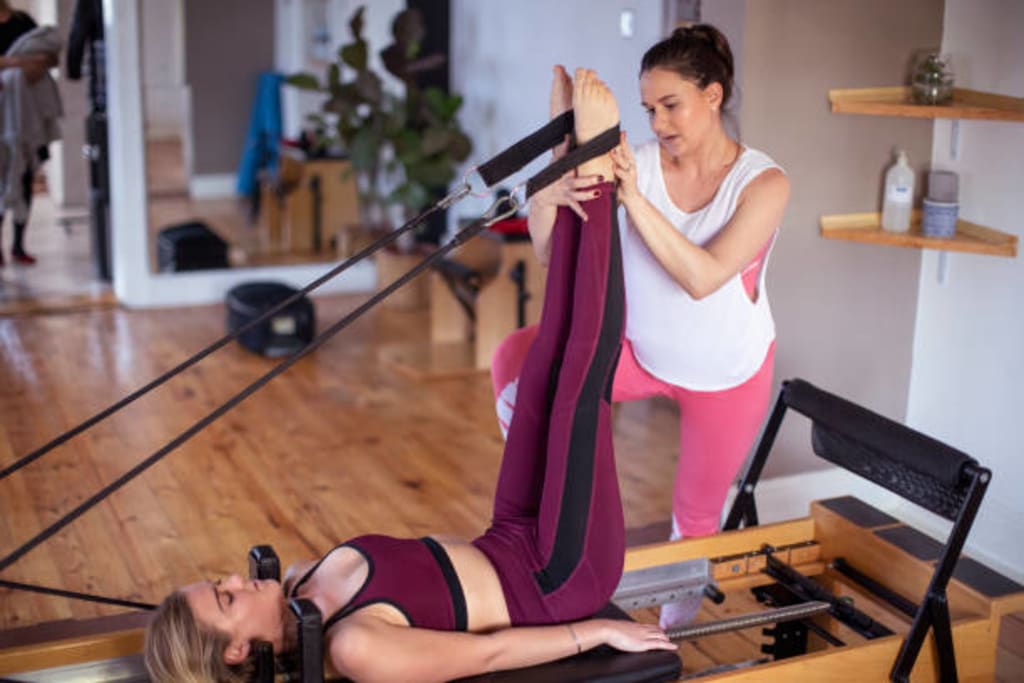
Manual muscle testing is a method used to assess muscle strength and function by applying resistance to specific muscles or muscle groups. It helps identify imbalances, weaknesses, or areas that need more attention. In the world of Pilates, this technique can be a valuable tool for understanding how the body moves and which muscles need extra support during exercises.
Understanding Manual Muscle Testing
Manual muscle testing (MMT) is commonly used by physiotherapists, chiropractors, and fitness professionals to check the strength of individual muscles. It involves applying pressure to a muscle while the person resists, helping to assess whether the muscle is functioning properly. If a muscle appears weak, it may indicate an underlying issue such as poor activation, previous injury, or muscular imbalance.
This method is beneficial in rehabilitation and fitness programs because it provides clear insights into which muscles need more work. By pinpointing weak areas, practitioners can create better exercise routines to help improve strength and stability.
The Connection Between Manual Muscle Testing and Pilates
Pilates is a movement-based practice that focuses on strengthening muscles, improving flexibility, and enhancing overall body control. Since manual muscle testing helps assess muscle function, it can play a key role in Pilates training by identifying weaknesses and allowing for more targeted exercises.
1. Assessing Muscle Weakness
Before starting a Pilates routine, trainers can use manual muscle testing to check for muscle imbalances. This helps in designing a workout plan that focuses on strengthening weak areas while maintaining balance in the body.
2. Improving Core Stability
Pilates emphasizes core strength, which is crucial for proper movement and posture. By using manual muscle testing, instructors can determine whether a person’s core muscles are engaging properly. If weaknesses are found, specific Pilates exercises can be introduced to improve stability.
3. Preventing Injuries
Weak muscles can lead to improper movement patterns, increasing the risk of injuries. Manual muscle testing can identify these weaknesses early, allowing Pilates instructors to modify exercises to prevent strain or discomfort.
4. Enhancing Movement Efficiency
When muscles are properly activated and balanced, movements become smoother and more controlled. By incorporating manual muscle testing into Pilates sessions, individuals can work on their weaker muscles, leading to improved movement efficiency and better posture.
How Pilates Supports Muscle Strength and Function
Pilates is known for its ability to strengthen muscles without putting excessive strain on the body. Some key benefits of Pilates include:
Improved Muscle Activation: By focusing on controlled movements, Pilates helps engage the right muscles, reducing the risk of compensations and imbalances.
Increased Flexibility: Many Pilates exercises involve stretching and lengthening movements that improve flexibility and joint mobility.
Better Posture: Strengthening core muscles and improving alignment can lead to better posture and reduced discomfort from poor movement patterns.
Injury Recovery: Pilates can be an excellent tool for rehabilitation, helping individuals regain strength and mobility after an injury.
Incorporating Manual Muscle Testing into Pilates Sessions
If you are new to Pilates or looking to improve your practice, working with a professional who understands manual muscle testing can be beneficial. Here’s how you can incorporate this technique into your sessions:
Initial Assessment: A Pilates instructor or physiotherapist can perform manual muscle testing to check for weaknesses before designing a personalized workout plan.
Targeted Exercises: Based on the assessment, specific Pilates exercises can be chosen to strengthen weak muscles and improve overall balance.
Ongoing Evaluation: Regular testing can track progress and make necessary adjustments to the routine.
Focus on Functional Movement: By understanding how muscles work together, Pilates exercises can be adjusted to promote efficient movement patterns.
Who Can Benefit from This Approach?
Beginners: Those new to Pilates can benefit from manual muscle testing to build a strong foundation and avoid common movement mistakes.
Athletes: Sports professionals can use this method to identify weak links in their movement patterns and improve performance.
Individuals with Injuries: People recovering from injuries can use Pilates with manual muscle testing to regain strength safely.
Older Adults: Strength and stability decline with age, making targeted exercises essential for maintaining mobility.
Final Thoughts
Manual muscle testing and Pilates work well together to create a balanced, effective approach to fitness and rehabilitation. Whether you’re looking to build strength, recover from an injury, or simply move better, incorporating manual muscle testing into your Pilates routine can help you achieve your goals.
If you’re interested in a personalized approach to Pilates that considers your muscle strength and movement patterns, contact us today to learn more!
About the Creator
Maartin Hackman
Maartin Hackman, with 20+ years in clinical exercise and Pilates, champions MD Health's exclusive methods. His mission: help individuals overcome health challenges and live fully through personalized care.
Keep reading
More stories from Maartin Hackman and writers in Humans and other communities.
What Differences Will You Notice Mentally and Physically Before and After Reformer Pilates?
If you're wondering about the changes you may experience before and after reformer pilates, you're not alone. Many people turn to this form of exercise to improve both their physical and mental well-being. Whether you’re just starting or have been practising for a while, reformer pilates has the potential to transform how you feel, look, and move.
By Maartin Hackmanabout a year ago in Humans
Whiskey At Dusk
Guess the whiskey was more important to you in the end, wasn’t it? It was more than the well-being of your friends; more vital than showing up to the places you promised you would and could come to; more critical of a matter than fulfilling your damn responsibilities and getting the press off your back.
By Snarky Lisa2 days ago in Humans
Who am I?
I’m in a crowd of people, all I hear is noise surrounding me. Words echo like rolling thunder. Facial expression are vast like waves in the ocean. Im battling to drown out the chaos. This is me, and this is what daily life looks like for me. I am a woman, daughter, sister, mother, partner, friend, confidant, and every single title a woman can carry in a world that we need to be identified in with a word. Do I know who I am? Do these words that describe me, make me who I am? Or do the opinions and perception of others and maybe one. Make me who I am?
By Deana Cabison5 days ago in Humans


Comments (1)
Thank you so much for being transparent about using AI 😊