

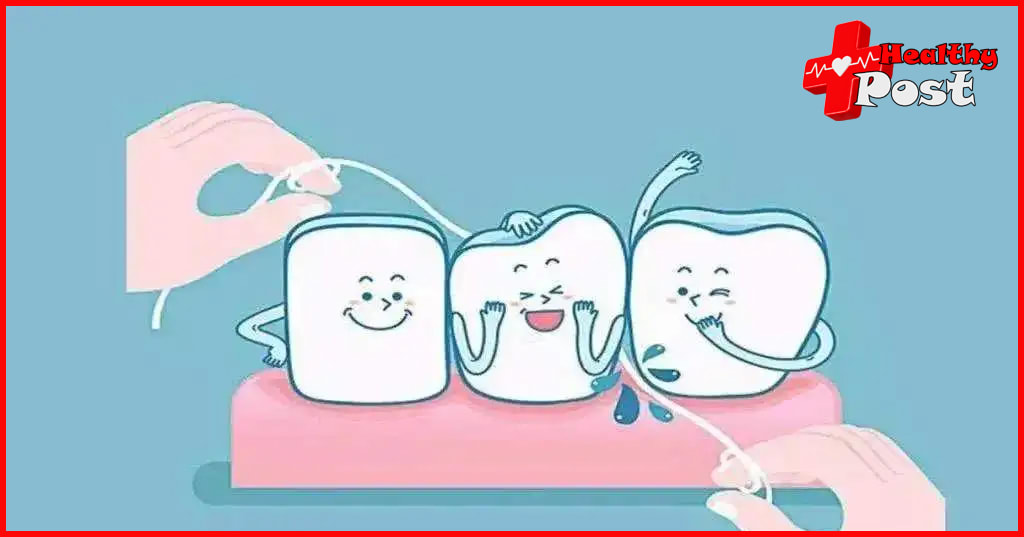
Good oral hygiene is crucial for maintaining healthy teeth and gums, and flossing is a key component of any comprehensive oral care routine. While brushing removes plaque and food particles from the surfaces of your teeth, dental floss is essential for cleaning the areas between your teeth and along the gumline—places a toothbrush can’t reach. However, with so many types of dental floss available, how do you determine which is the best? This article delves into the different types of dental floss, their benefits, and how to choose the one that’s right for you.
Types of Dental Floss
There are several types of dental floss, each suited for specific needs and preferences. Here are the main categories:
1. Waxed Floss
Waxed floss is coated with a thin layer of wax, making it slightly thicker and easier to slide between teeth. This type is durable and less likely to fray, which makes it ideal for individuals with tightly spaced teeth. The wax coating also provides a smoother glide, reducing discomfort during flossing.
2. Unwaxed Floss
Unwaxed floss is thinner and more flexible than its waxed counterpart. It’s perfect for those with teeth that are not tightly spaced. However, it can be more prone to shredding or breaking, especially if used between very tight spaces.
3. PTFE (Polytetrafluoroethylene) Floss
PTFE floss, also known as glide floss, is made from a slippery, shred-resistant material. It’s especially effective for navigating tight spaces and is often favored by people with braces, bridges, or other dental work.
4. Dental Tape
Dental tape is broader and flatter than traditional floss, resembling a ribbon. It’s particularly useful for people with larger gaps between their teeth or those who find regular floss too thin to handle comfortably.
5. Flavored Floss
Flavored floss adds an extra touch of freshness to your flossing routine. Common flavors include mint, cinnamon, and fruit, which can make the experience more pleasant and encourage regular use.
6. Eco-Friendly and Biodegradable Floss
As sustainability becomes a growing concern, eco-friendly floss options made from materials like silk or bamboo are gaining popularity. These products are biodegradable and often come in recyclable or reusable packaging, making them an excellent choice for environmentally conscious individuals.
7. Water Flossers
Though not traditional floss, water flossers are an alternative for those who find conventional flossing challenging. These devices use a stream of water to remove plaque and food particles from between teeth and along the gumline.
Factors to Consider When Choosing Dental Floss
Selecting the best dental floss depends on several factors, including your dental needs, preferences, and any specific conditions you may have. Here are some considerations:
1. Tightness of Teeth
If you have closely spaced teeth, opt for waxed or PTFE floss, as these are designed to glide easily through narrow gaps without shredding.
2. Dental Work
Individuals with braces, bridges, or other dental appliances may benefit from specialized floss such as super floss, which has stiff ends to thread under dental work, or water flossers for ease of use.
3. Comfort and Ease of Use
If traditional floss feels awkward or uncomfortable, consider dental tape or a water flosser. These options are gentler on the gums and easier to maneuver.
4. Environmental Impact
For those prioritizing sustainability, look for biodegradable floss options made from natural materials and packaged in eco-friendly containers.
5. Flavor Preferences
Flavored floss can make the experience more enjoyable and leave your mouth feeling fresh, so choose a flavor you’ll look forward to using.
Expert Recommendations
1. Dentist-Approved Brands
Look for floss brands that are endorsed by dental professionals or carry the American Dental Association (ADA) Seal of Acceptance. This seal indicates that the product meets rigorous safety and effectiveness standards.
2. Try Different Types
If you’re unsure which floss is best for you, experiment with different types. Many brands offer sample packs that let you try various options before committing to one.
3. Ask Your Dentist
Your dentist can recommend the best type of floss based on your specific dental needs and conditions. They may also provide tips on proper flossing technique to maximize its effectiveness.
Tips for Effective Flossing
Even the best dental floss won’t be effective unless used correctly. Follow these steps for optimal results:
Use Enough Floss
Cut about 18 inches of floss and wind most of it around one of your middle fingers. Wind the rest around the same finger on the opposite hand, leaving a few inches of floss to work with.
Hold It Tightly
Hold the floss tightly between your thumbs and forefingers, and gently guide it between your teeth using a sawing motion.
Form a “C” Shape
Curve the floss around each tooth in a C-shape and slide it gently under the gumline. Move the floss up and down to remove plaque and debris.
Use a Fresh Section
Unwind a fresh section of floss for each tooth to avoid spreading bacteria.
Be Gentle
Avoid snapping the floss into your gums, as this can cause irritation or damage. Click here to read more
About the Creator
Keep reading
More stories from Muhammad Ali and writers in Humans and other communities.
Choosing the Right Magnesium Supplement
Magnesium is an essential mineral involved in hundreds of bodily functions, from muscle and nerve function to energy production and bone health. While many people get enough magnesium from their diet, some may benefit from supplementation. However, with various magnesium forms available, choosing the right one can be confusing. This article will guide you through the different types of magnesium supplements and help you make an informed decision.
By Muhammad Aliabout a year ago in Lifehack
Autonomy Is The Real Privilege
Good morning, freedom-seekers! Today we’re gonna be looking at autonomy. A strange word, I know; one many would probably look at blankly and run away from on sight. We’re gonna figure out what it actually means, consider how it’s achieved, and decipher just how deeply most of us are tangled up in dependence without realising it.
By That ‘Freedom’ Guyabout 20 hours ago in Humans




Comments
There are no comments for this story
Be the first to respond and start the conversation.