
Most Young Chefs Never Learn How to Apply for a Job
What Executive Chefs Really Look for When Opening a CV

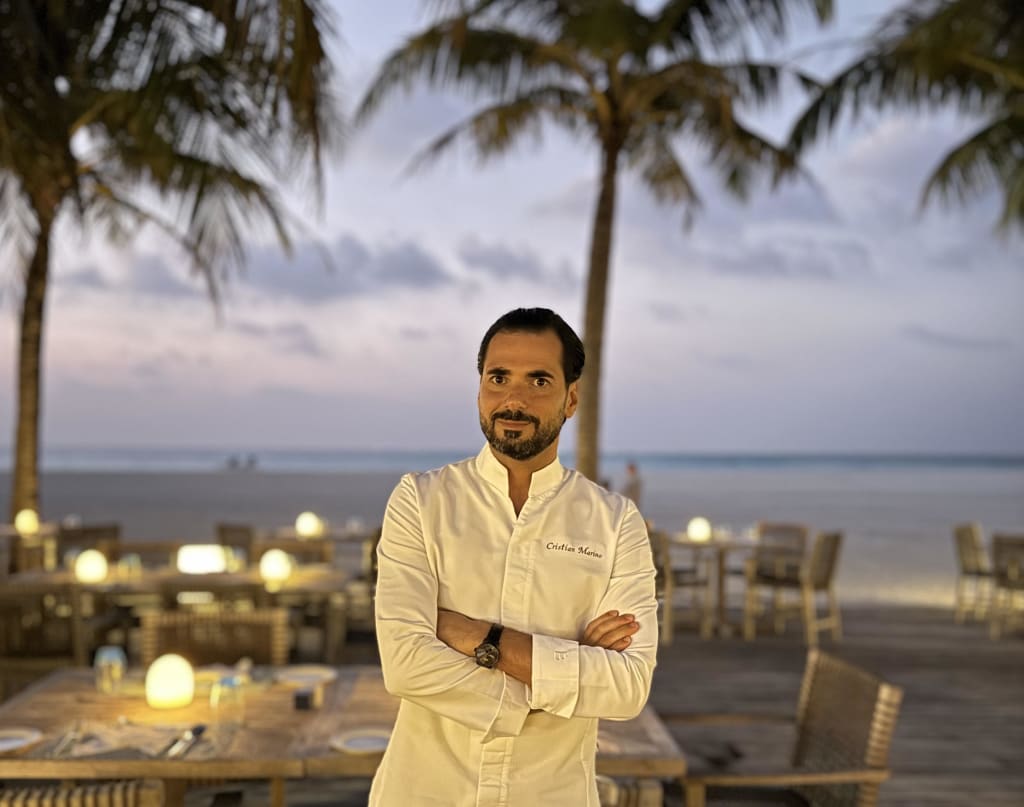
Chefs learn how to cook under pressure, survive busy services, and push through the physical demands of the kitchen.
What they are not taught, however, is how to apply for a job professionally.
According to Italian Executive Chef and global culinary consultant Cristian Marino, this gap is becoming increasingly evident among young cooks entering the industry. “They learn knife skills, discipline, and sauces,” he observes, “but never how to present themselves — and certainly not how to protect their information when applying.”
The realization came recently, after Marino posted a job opening for a Commis Chef. Dozens of applications arrived within hours. Many were enthusiastic, few were professional, and most lacked the basic structure expected in international hospitality.
The situation is not limited to a specific country or culinary culture. Marino has led brigades across Europe, the Middle East, and Asia, and has trained young cooks on both land and sea, including during his formative years as Chef de Partie aboard Silversea, traveling to over 30 countries. The pattern is global: schools teach technique, but not professional communication.
Applying for a Job Is Already Leadership
In high-level hospitality, the process of applying for a job is considered part of professional conduct. For Marino, the act of sending a CV represents a first demonstration of:
• clarity
• discipline
• responsibility
• intention
• communication
These same qualities define leadership in a kitchen long before any promotion to Sous Chef or Executive Chef.
“It’s not bureaucracy,” Marino notes. “It’s planning. And planning is one of the most important skills in any kitchen.”
The connection echoes one of the rules featured in his leadership framework The 10 Rules of the Chef in the Modern Era: Plan ahead for tomorrow.
The Wrong Channel Sends the Wrong Message
One of the most common mistakes among young applicants is using inappropriate channels. If a job post requests an email, sending a message through social media may seem harmless, but it immediately communicates lack of attention and professionalism.
For Executive Chefs hiring for hotels, resorts, or cruise ships, adherence to a requested channel is also a test of discipline — the same discipline expected during service.
A Professional Email in 10 Lines
Contrary to what many believe, professionalism does not require long texts.
Marino estimates that a precise email of 8–10 lines already distinguishes a candidate in a competitive field.
A standard structure includes:
• clear subject line (“Application – Commis Chef – Name Surname”)
• brief introduction
• current role and culinary background
• interest in à la carte or relevant operations
• attachment of the CV
• contact details
This basic format is still uncommon among the youngest generation of cooks.
The Overlooked Element: Self-Protection
A surprising number of young chefs send personal documents without verifying the legitimacy of the recruiter. This habit exposes candidates to identity risks, especially when dealing with international opportunities.
Marino advises that applicants always verify:
• the recruiter’s identity
• the establishment they represent
• whether the position is real
• whether the channel is official
“A good professional should also protect himself,” he adds.
What Executive Chefs Actually Look For
When evaluating CVs, the first scan is quick — usually under two minutes.
In that short window, Marino highlights specific signals:
Continuity
Stability matters. Constantly changing workplaces suggests difficulty in adaptation.
Relevance
À la carte experience differs greatly from banquet operations or buffets.
Language Skills
English remains essential in international hospitality.
Adaptability
Experience in multicultural teams — such as cruise ships or resorts — indicates resilience and flexibility.
Progression
Even small promotions within the same establishment are valued more than frequent short engagements.
Curiosity
Short courses, certificates, and culinary travel experiences suggest ambition.
These criteria mirror the qualities that drive a successful kitchen brigade.
Red Flags That Close the Door
Certain details close opportunities immediately, including:
• selfie photos as profile images
• CV files without contact details
• unprofessional file names
• unclear timelines
• entitlement or informal tone
• sending the same CV to unrelated positions
In global hospitality, details matter.
Working Toward a Career, Not Collecting Jobs
Marino distinguishes between building a culinary career and accumulating unrelated experiences. The first implies depth and learning; the second often signals instability.
A brigade operates as a living organism. It requires trust, rhythm, and coherence, elements that cannot be developed through constant movement without purpose.
A Growing Need for Professional Guidance
The disconnect between culinary schools and real recruitment practices highlights a broader issue within the industry: young chefs are trained to cook but not to navigate their careers.
For Marino, the solution is not simply to “work harder,” but to introduce education regarding:
• communication
• contracts
• international standards
• professional etiquette
• workplace protection
These skills define the modern kitchen as much as technique.
Conclusion
The hospitality industry continues to need young talent. The opportunities are global and expanding across hotels, resorts, fine dining, private yachts, and cruise ships. However, opportunity alone is insufficient.
Professional presentation remains a form of leadership — one that begins long before any service starts.
As Executive Chefs open applications, they are not only looking for hands that can slice, sauté, or plate. They are looking for young professionals capable of joining a brigade, communicating with a team, and growing within a structure that rewards discipline, curiosity, and ambition.
For the next generation of chefs, learning how to apply for a job may be as essential as learning how to cook.
About the Author
Cristian Marino is an Italian Executive Chef and global culinary consultant specializing in hotel and resort operations. He writes about leadership, international hospitality, and the evolution of contemporary kitchen culture. Marino has led brigades across Europe, the Middle East, and Asia, and trained young chefs during his formative years aboard Silversea, traveling to more than thirty countries.
About the Creator
Cristian Marino
Italian Executive Chef & author with 25+ years in 10+ countries. Sharing stories on kitchen leadership, pressure, and the human side of food.
Keep reading
More stories from Cristian Marino and writers in Humans and other communities.
Importance Of Privacy In Romance For Trust And Emotional Security
Privacy is a crucial but not a well understood part of love. It is a common misconception that in order to be intimate with someone, one has to share everything with the partner. Nevertheless, healthy relationships understand that human beings still require their own space, thoughts, and experiences that are not shared. Privacy can ensure the partners retain their personalities and yet develop a significant relationship. When one person does not cross the boundaries of the other, the person will not feel suffocated or controlled. Rather than detracting a relationship, proper privacy in fact enriches it because it builds a healthy dynamic in which both members of the relationship feel respected, held in high regard, and safe in their emotions.
By Robert Smith4 days ago in Humans




Comments
There are no comments for this story
Be the first to respond and start the conversation.