
Vibe Culture: How Content Has Shifted from Trends to Moods
Why today’s audiences care less about what’s viral — and more about what feels right

Introduction — From Viral to Vibes
Once upon a time, the internet was obsessed with what’s trending. Remember when every few days brought a new dance challenge, hashtag, or meme that everyone just had to join? You’d open Instagram or TikTok, and your entire feed would be filled with the same thing — different people doing the same moves, repeating the same jokes, remixing the same sounds.
But something’s changed.
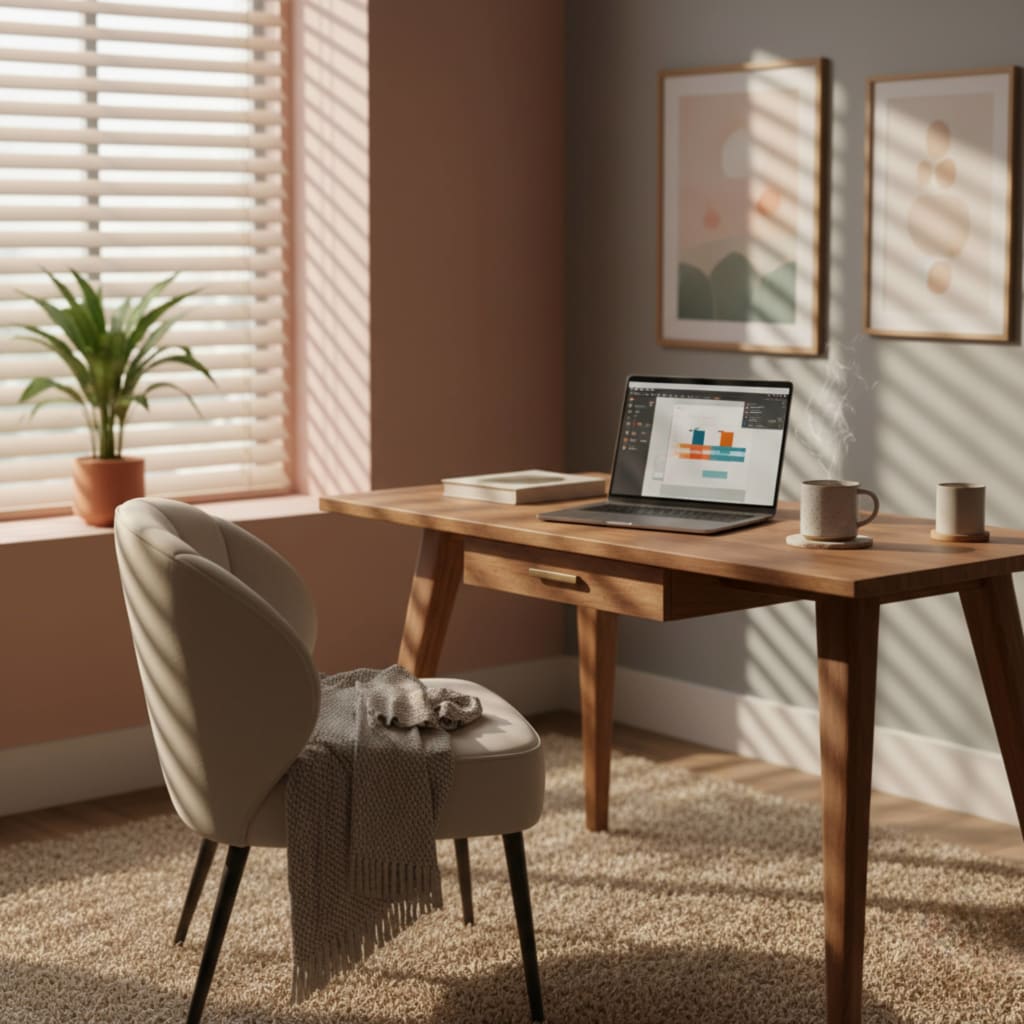
These days, people aren’t chasing the next viral thing as much as they used to. Instead, they’re creating content that feels a certain way. Scroll through your feed now, and you’ll notice something different: soft lighting, slow music, warm tones, cozy setups. It’s not just what people are showing anymore — it’s how they make you feel.
Welcome to the era of vibe culture — where content is no longer just about what’s trending, but what resonates emotionally.
The Birth of Vibe Culture
“Vibe culture” didn’t arrive suddenly; it quietly emerged from a collective feeling of exhaustion. People got tired of chasing viral moments, tired of performing for algorithms, tired of creating just for clout.
After years of trying to “go viral,” creators began to focus on something deeper — connection. They started asking themselves:
“What kind of feeling do I want to share?”
“How do I make my audience feel something real?”
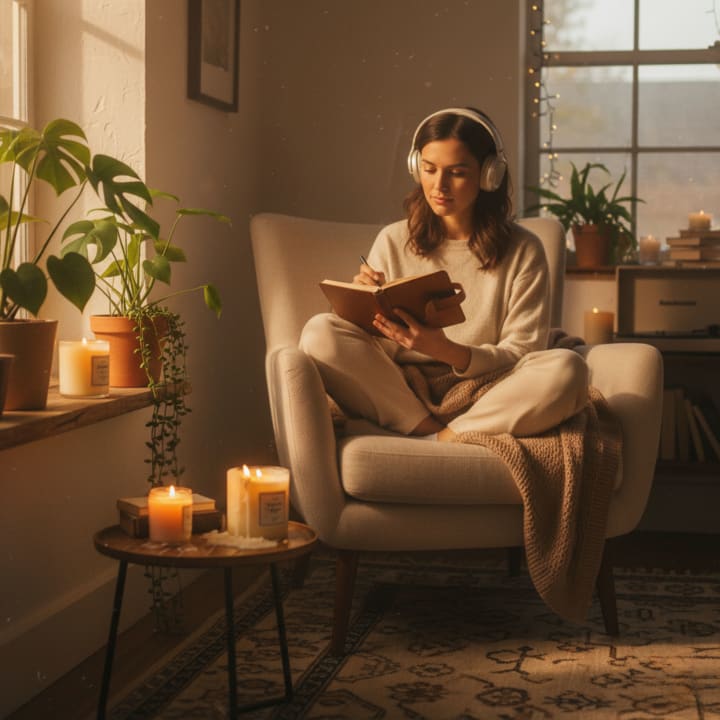
It’s no longer about the trendiest dance or the funniest meme. Now it’s about setting a mood. Whether it’s the chill energy of a “soft life” day routine or the calming aesthetic of lo-fi beats and journaling, the goal is emotional experience, not fleeting attention.
And that’s the key difference.
Trend culture says: “Copy this, everyone’s doing it.”
Vibe culture says: “Feel this — and make it your own.”
The Shift: Why We Moved from Trends to Moods

There are a few big reasons why this shift happened — and they’re rooted in our collective psychology and digital fatigue.
1. Burnout from the Algorithm Race
For years, creators felt trapped in the hamster wheel of algorithms. Platforms rewarded virality, not authenticity. People were creating just to keep up. But over time, burnout hit hard. The constant need to perform, post, and please drained creativity.
Vibe culture was the natural reaction — a rebellion against that pressure.
Now, it’s not about how many likes a post gets; it’s about how it makes you and others feel.
2. The Pandemic Changed Everything
When the world slowed down during lockdown, so did our minds. We started craving comfort, quiet, and meaning. People discovered joy in simple things — coffee in the morning, sunlight through the window, soft music in the background.
That emotional shift seeped into content creation. Instead of loud trends, we started seeing peaceful vlogs, cozy aesthetics, and self-care content.
The message was simple: “Let’s slow down and feel life again.”
3. Authenticity Became the New Currency
Audiences can now spot fake energy from miles away. They don’t want overproduced perfection — they want something real. Whether it’s an influencer being vulnerable or a brand embracing imperfection, authenticity has become the new status symbol.
That’s what vibe culture represents: real energy, real connection, real moments
What Exactly Is Vibe Culture?

At its heart, vibe culture is the art of emotional storytelling.
It’s when a video, photo, or post doesn’t just show you something — it makes you feel something.
It’s the soft glow of a sunset video.
It’s the sound of rain while journaling.
It’s a quiet cup of coffee shared on screen without a single word spoken.
In vibe culture, emotion is the content.
Think about the types of videos you see now:
“Day in my life” vlogs with calm background music.
“Clean aesthetic” montages where everything is color-coordinated.
“Soft life” routines that focus on peace and intentional living.
These aren’t about trends. They’re about creating a mood that connects with your soul.
Examples of Vibe Culture in Action

Examples of Vibe Culture in Action
Let’s look at some popular examples that show how content has shifted:
TikTok’s Lo-fi Spaces: Creators share peaceful morning routines with lo-fi beats and soft visuals. The focus isn’t on showing luxury — it’s on emotional calm.
YouTube’s Minimalist Movement: Channels like Matt D’Avella and Rowena Tsai focus on slow living, mindfulness, and simplicity.
Aesthetic Brands: Even big brands like Aritzia, Glossier, and Starbucks sell not just products, but vibes. Their visuals, color palettes, and storytelling are all mood-driven.
It’s all about emotional experience. The content doesn’t scream — it whispers, and that’s why people stay.
The Psychology Behind Vibe Culture

How Creators Can Thrive in the Vibe Era
So how do you, as a writer or creator, adapt to vibe culture?
Here are a few ways to shift from trend-chasing to mood-setting:
1. Find Your Core Feeling
Ask yourself: “What emotion do I want my audience to feel?”
Is it peace? Motivation? Nostalgia?
Let that be your creative compass.
2. Create a Consistent Aesthetic
You don’t need expensive gear. Just consistency — lighting, tone, and pace.
Make your visuals and words match your emotional theme.
3. Tell Real Stories
Don’t curate perfection. Share your process, your mistakes, your growth.
Realness builds connection. Trends fade — authenticity lasts.
4. Use Sound and Visuals to Build Mood
The right sound can elevate your content instantly. Choose music and imagery that carry the vibe you want to share.
5. Engage Genuinely
Don’t chase comments — create conversations. Respond with heart. Build micro-communities around shared emotions.
The Future of Vibe-Based Content
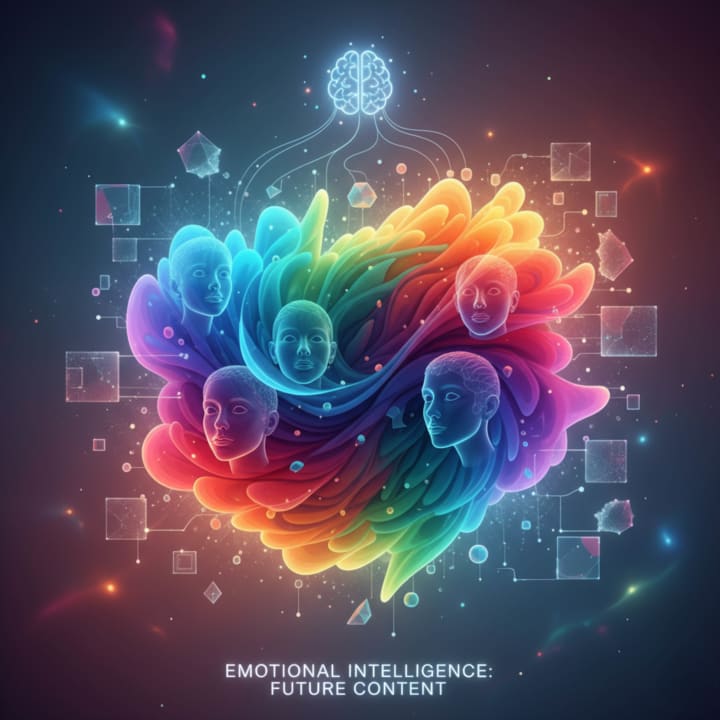
Vibe culture isn’t a trend; it’s an evolution.
It reflects how we, as humans, are adapting to digital noise.
Here’s what’s next:
AI and personalization will make content even more emotionally tuned to individuals.
Ambient storytelling — where tone and energy matter more than plot.
Hybrid spaces — combining digital and real-world experiences that evoke feelings.
We’re entering an era where your feed will feel more like a mood board of your emotions than a list of trends.
The Dark Side: When Vibes Become Performance

Like any movement, vibe culture has its pitfalls.
Sometimes, the “aesthetic” becomes another mask — people perform calmness instead of actually living it.
It’s easy to get caught up trying to look peaceful instead of being peaceful.
That’s why the real challenge in vibe culture is authentic alignment — to actually live the vibe you share.
Conclusion — Feel, Don’t Just Follow

In a world that moves too fast, vibe culture is our collective deep breath.
It’s our way of slowing down, of remembering that feelings matter more than filters.
The internet doesn’t need more noise.
It needs more feeling.
So whether you’re a creator, a brand, or just someone scrolling through your feed — remember this:
You don’t have to chase trends. You can create moods.
And in that simplicity, you’ll find connection — not just with others, but with yourself.
About the Creator
abualyaanart
I write thoughtful, experience-driven stories about technology, digital life, and how modern tools quietly shape the way we think, work, and live.
I believe good technology should support life
Abualyaanart
Keep reading
More stories from abualyaanart and writers in Humans and other communities.


Comments
There are no comments for this story
Be the first to respond and start the conversation.