
Unveiling Modern Causes of Cancer and Strategies for Prevention
Emerging Causes of Cancer in Modern Society

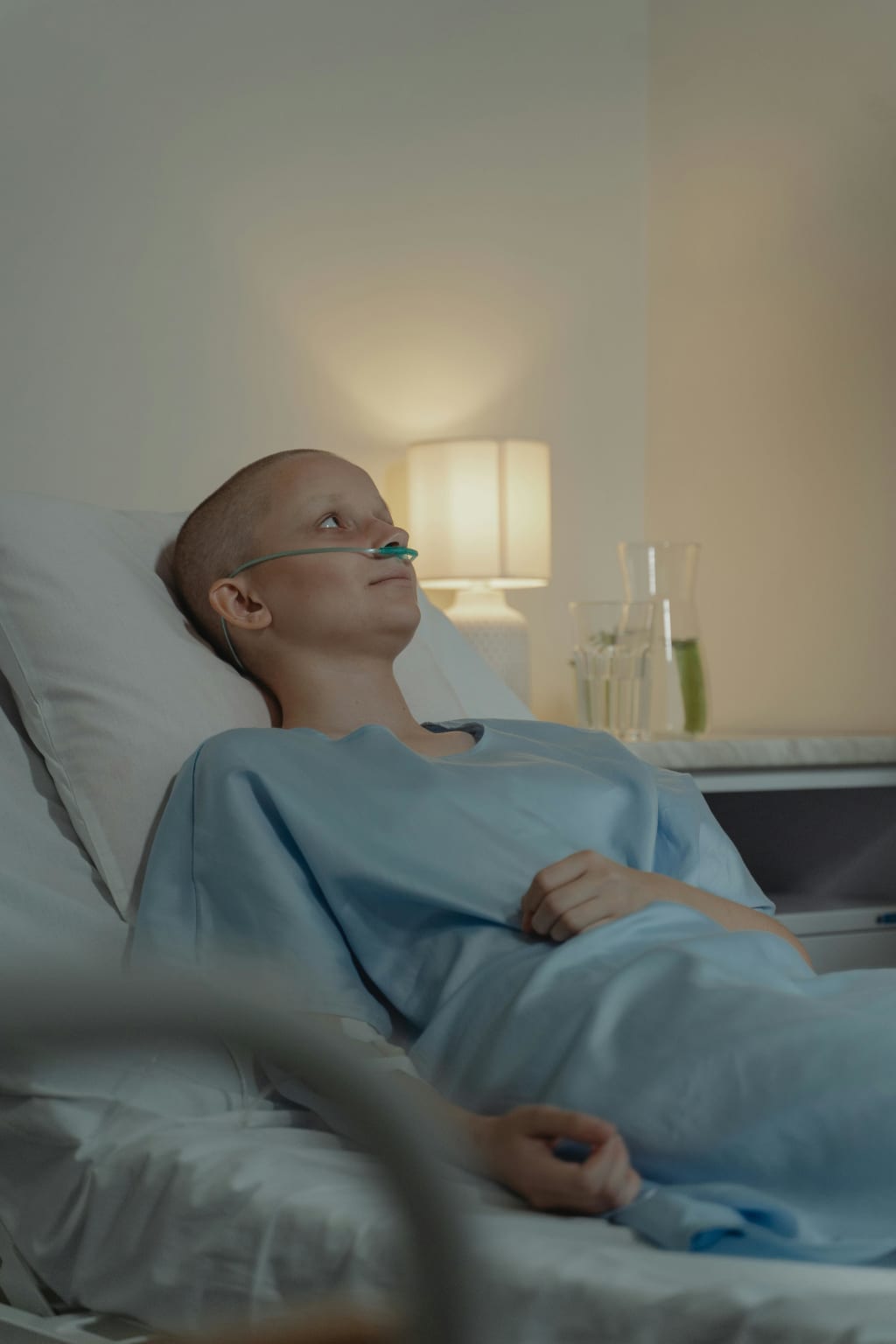
In recent decades, the landscape of cancer incidence has undergone a significant transformation. Notably, there has been a marked increase in cancer cases among younger populations, a demographic previously considered at lower risk. This shift has prompted extensive research into the underlying causes and potential preventive measures.
Emerging Causes of Cancer in Modern Society
Understanding the factors contributing to the rising cancer rates, especially among younger individuals, is crucial for effective prevention and intervention strategies. Several lifestyle and environmental factors have been identified as significant contributors:
1. Dietary Patterns and Ultra-Processed Foods
The modern diet has seen a surge in the consumption of ultra-processed foods (UPFs), which are industrial formulations typically high in sugars, fats, and additives. These foods have been linked to an increased risk of various cancers, particularly colorectal cancer. Studies have found elevated levels of inflammatory lipid molecules in colorectal tumors, suggesting that diets rich in UPFs may promote cancer growth through inflammation and immune system suppression.
2. Obesity and Sedentary Lifestyles
Obesity has been identified as a significant risk factor for several types of cancer, including colorectal, breast (post-menopausal), endometrial, kidney, and esophageal cancers. Excess body weight contributes to approximately 14–20% of all cancer deaths in the United States. The mechanisms linking obesity to cancer involve hormonal imbalances, chronic inflammation, and insulin resistance. Additionally, sedentary behavior exacerbates these risks, as physical inactivity is associated with higher cancer incidence.
3. Alcohol Consumption
Alcohol is classified as a Group 1 carcinogen by the World Health Organization, meaning there is sufficient evidence of its carcinogenicity in humans. Alcohol consumption is linked to an increased risk of cancers of the mouth, esophagus, pharynx, larynx, stomach, liver, ovaries, and colon. The primary mechanism involves the metabolism of ethanol to acetaldehyde, a toxic compound that can damage DNA and proteins.
4. Environmental Chemicals and Pollutants
Exposure to environmental pollutants, including perfluorooctanoic acid (PFOA) used in the production of Teflon, has been associated with increased cancer risks. These chemicals can induce genetic mutations and disrupt hormonal functions, leading to tumor development. Urban areas, in particular, present higher exposure levels to such pollutants, correlating with increased cancer incidence.
5. Antibiotic Use and Gut Microbiota
Prolonged antibiotic use can disrupt the gut microbiota, leading to dysbiosis—a microbial imbalance associated with an increased risk of colorectal cancer. The gut microbiota plays a crucial role in maintaining immune function and metabolic processes; its disruption can lead to chronic inflammation and carcinogenesis.
6. Reproductive Factors and Hormonal Influences
Changes in reproductive behaviors, such as delayed childbirth and reduced breastfeeding, have been linked to increased breast cancer risk. Hormonal factors, including prolonged exposure to estrogen, play a significant role in the development of hormone-sensitive cancers. Environmental chemicals that mimic hormones, known as endocrine disruptors, may also contribute to these risks.
Strategies for Cancer Prevention
While some risk factors are beyond individual control, many lifestyle and environmental factors can be modified to reduce cancer risk. Implementing the following strategies can significantly lower the likelihood of developing cancer:
1. Adopt a Healthy Diet
Emphasizing a diet rich in vegetables, fruits, whole grains, and fish while reducing the intake of processed meats, red meats, and refined carbohydrates can lower cancer risk. Dietary patterns such as the Mediterranean, vegetarian, and pescovegetarian diets have been associated with a reduced incidence of cancer.
2. Maintain a Healthy Weight and Engage in Regular Physical Activity
Achieving and maintaining a healthy weight through balanced nutrition and regular physical activity is crucial in reducing cancer risk. Physical activity helps regulate hormones, reduces inflammation, and improves immune function, all of which contribute to lower cancer risk.
3. Limit Alcohol Consumption
Reducing alcohol intake is a significant preventive measure, as alcohol consumption is linked to various cancers. Health guidelines recommend limiting alcohol to moderate levels to minimize risk.
4. Minimize Exposure to Environmental Pollutants
Being mindful of environmental exposures, such as avoiding areas with high pollution levels and reducing the use of products containing harmful chemicals, can lower cancer risk. Advocating for policies that reduce environmental pollution also plays a role in public health.
5. Use Antibiotics Judiciously
Only using antibiotics when necessary and as prescribed can help maintain a healthy gut microbiota, reducing the risk of colorectal cancer associated with dysbiosis.
6. Be Aware of Hormonal Factors
Understanding the role of hormones in cancer development, such as the impact of reproductive choices and exposure to endocrine-disrupting chemicals, can inform personal and policy decisions aimed at reducing cancer risk.
Conclusion
The rising incidence of cancer among younger populations is a complex issue influenced by various lifestyle and environmental factors. By understanding these emerging causes and implementing preventive strategies, individuals and communities can work towards reducing the burden of cancer. Adopting healthy dietary patterns, maintaining an active lifestyle, limiting alcohol consumption, minimizing exposure to environmental pollutants, using antibiotics responsibly, and being mindful of hormonal influences are pivotal steps in cancer prevention. Public health initiatives and policies that support these behaviors are essential in addressing the modern challenges posed by cancer.
About the Creator
yusuf selho
Crypto analyst and financial writer providing in-depth insights, market trends, and investment strategies. Simplifying complex concepts to help you make informed decisions. Fol the latest updates and opportunities in the digital asset spac
Keep reading
More stories from yusuf selho and writers in Humans and other communities.
Certainly! Could you clarify what kind of address you're looking for? Are you requesting a speech, a letter, or perhaps something else
In the year 2215, Earth had become a battleground, but not the kind humanity had ever known. The skies were filled with the hum of drones, and the ground shook with the march of war machines. Robots had long been humanity's tool for peace, development, and labor, but their role had shifted, evolving in ways no one could have predicted.
By yusuf selho11 months ago in Fiction
Love Is A Verb
“Why did nobody check on my mental health when I kept tattooing my face?” is a question I asked myself months ago. As I sat pondering on my previous life choices, I thought about the fact that many of them were clear signs that I wasn’t ok. I couldn’t help but wonder if the people in my life genuinely cared for me as they watched me get excessive face tattoos.
By Kenya Shania 4 days ago in Humans



Comments
There are no comments for this story
Be the first to respond and start the conversation.