
Unraveling the tapestry of Human Behavior : Exploring the Most Intriguing Facts
Intriguing Facts

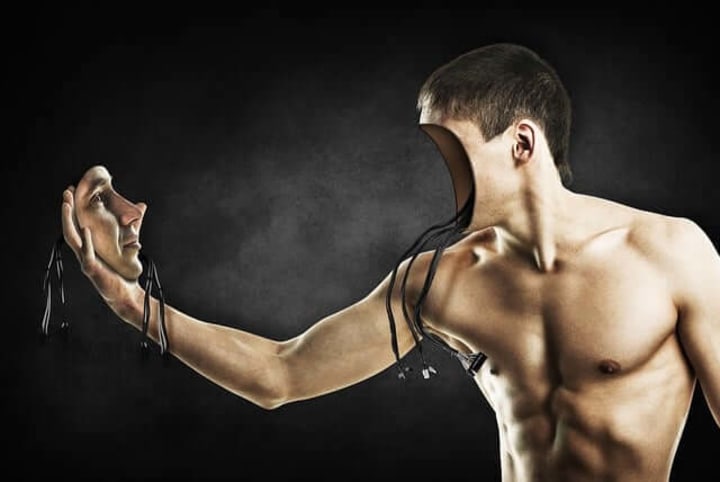
The intricacies of our actions, thoughts, and emotions create a rich tapestry that reflects the diversity and depth of the human experience. Human behavior is a complex and fascinating subject that has captivated researchers, psychologists, and thinkers for centuries. In this exploration, we delve into some of the most interesting facts about human behavior, shedding light on the cognitive, social, and emotional aspects that make us uniquely human.
Cognitive Biases: Navigating the Maze of Perception
The frequency of cognitive biases in human behavior is one of the most fascinating things about it. Decisions and judgments are influenced by these mental shortcuts and regular patterns of divergence from the norm or reason. For instance, confirmation bias pushes people to look for evidence to support their preexisting opinions, which feeds back into a vicious circle of perception.
Mirror Neurons: The Dance of Empathy
Mirror Neurons: The Dance of Empathy Mirror neurons, a relatively recent discovery in neuroscience, provide a window into the mechanisms of empathy. These neurons fire both when we perform an action and when we observe someone else performing the same action. This neural mirroring suggests a deep-rooted connection between understanding others and our own actions, forming the foundation of empathy and social bonding.
Collective Minds: The Influence of Group Dynamics
Since humans are social creatures by nature, the study of group behavior reveals the dynamics of how people interact in groups. The rise of mob mentality and groupthink—a phenomenon in which a group's desire for harmony prevails over a realistic assessment of the options—show how social environment shapes individual behavior.
Cultural Influences: Molding Attitudes and Behaviors
Cultural influences are a major influence on how people behave. The significance of cultural influences is demonstrated by the diversity of norms, values, and behaviors found in many communities. Gaining knowledge in cultural psychology helps people understand how people interact with one other, view the world, and create their identities.
Cooperation and Altruism: Finding the Balance
Traditional ideas of self-interest are challenged by the occurrence of altruistic action. Prosocial conduct raises doubts regarding its evolutionary underpinnings, particularly when it comes to acts of compassion and cooperation that benefit others even at the expense of oneself. Investigating the motivations behind human altruism reveals the intricacies of social relationships and the delicate balancing act between individual and group goals.
Recalling and Forgetting: The Precarious Nature of Memory
Human memory is a dynamic, selective process. The complex structure of memory is highlighted by false memories, in which people vividly recall events that never happened, and the inevitable process of forgetting. Researching the encoding, storing, and retrieval processes in the brain provides important insights into the flexibility and constraints of human memory.
Managing the Emotional Terrain with Emotional Intelligence
Interpersonal connections and general well-being are greatly impacted by emotional intelligence, which is the capacity to recognize, comprehend, and regulate emotions in both oneself and others. Analyzing emotional intelligence's constituent parts offers a road map for negotiating the treacherous landscape of human emotions.
Beyond Rational Decision-Making in Behavioral Economics
By applying psychological insights to decision-making processes, behavioral economics contests conventional economic theories. The intrinsic irrationality of human economic behavior is highlighted by ideas like time discounting, where immediate rewards are valued more than delayed ones, and loss aversion, where losses have a bigger psychological impact than similar benefits.
Prosocial Conduct: Generosity and Collaboration
The study of prosocial behavior explores the reasons underlying cooperation and compassion. Understanding the motivations for prosocial behavior, whether they stem from empathy, altruism, or social norms, offers important insights into the possibility of compassion and cooperation in human communities.
Adaptability: How People React to Change
Human adaptation is evidence of our inventiveness and resiliency. Humans have an amazing capacity to adjust to changing conditions in a variety of contexts and thanks to technology improvements. The dynamic character of human behavior can be better understood by looking at the ways in which people and communities adapt.
Conclusion:
The most fascinating behavioral facts include a broad range of emotional, social, and cognitive processes. We get a greater comprehension of what it is to be human as we work through the complexities of our thoughts and behaviors. Every aspect of human conduct, from the peculiarities of cognitive biases to the deep consequences of mirror neurons and the cultural influences that mold us, adds to the intricate pattern of human behavior. Accepting the intricacy of these realities encourages us to go into the depths of our own being and investigate the intriguing interactions between the various elements that make up our humanity.
What questions can you ask to find out your partner’s thoughts?
About the Creator
GHANDOUMY
GhandoumY's expertise enhances the understanding of various services and products, contributing to a well-informed consumer experience.
Dr. Martin Luther King Jr. Day
Introduction Dr. Martin Luther King Jr. Day is a special holiday celebrated in the United States. It honors the life and work of Dr. Martin Luther King Jr., a great leader who fought for freedom, equality, and justice. This day reminds people to treat everyone with respect and kindness, no matter their skin color, religion, or background. Dr. King believed in peace and non-violence, and his message is still important today.
By Farhan Sayedabout 18 hours ago in Humans




Comments
There are no comments for this story
Be the first to respond and start the conversation.