
Understanding the Different Types of Meditation and Choosing the Right One for You
Various Meditation Styles
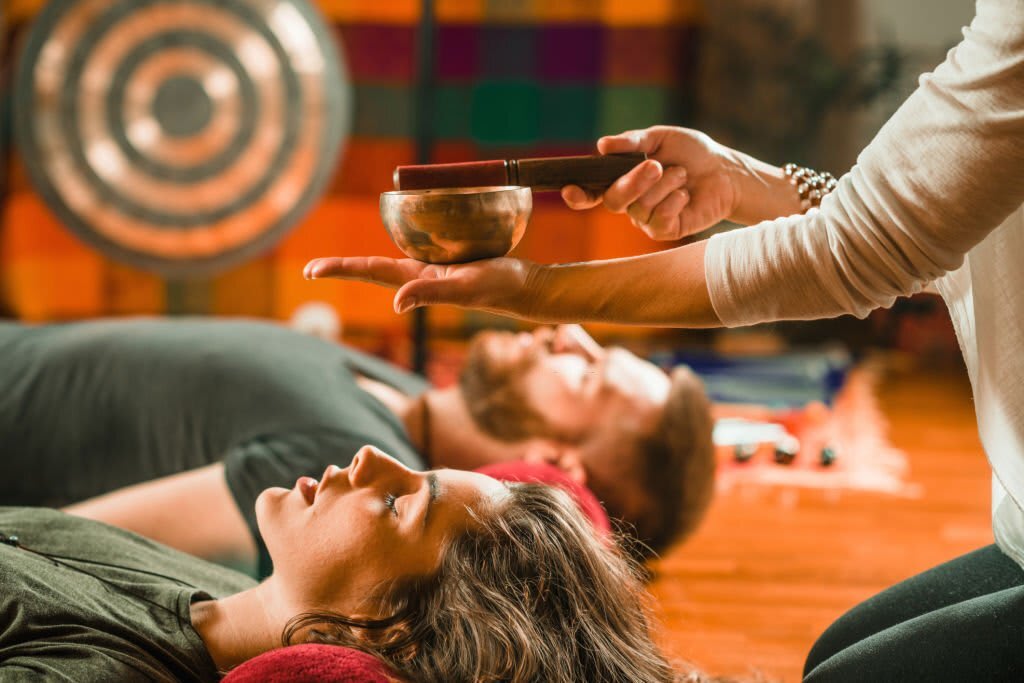
In today's fast-paced world, where stress and anxiety seem to be constant companions, finding inner peace and tranquility has become a top priority for many individuals. One practice that has gained immense popularity in recent years is meditation. Meditation is not just a passing trend; it is a powerful tool that has been practiced for centuries and has numerous physical, mental, and emotional benefits. However, with the plethora of meditation techniques available, it can be overwhelming to determine which one is right for you. In this article, we will explore the different types of meditation and help you choose the right one that resonates with your unique needs and preferences.
Mindfulness Meditation:
Mindfulness meditation is perhaps the most well-known and widely practiced form of meditation in the modern world. It involves focusing your attention on the present moment, observing your thoughts, feelings, and sensations without judgment. Mindfulness meditation helps cultivate a non-reactive and accepting mindset, enhancing self-awareness and reducing stress.
For example, imagine you are sitting in a park, observing the beauty of nature around you. As you practice mindfulness meditation, you focus on the present moment, fully immersing yourself in the sights, sounds, and smells of the park. You notice the gentle breeze brushing against your skin, the chirping of birds, and the vibrant colors of flowers. Your mind becomes clear, and you feel a sense of calmness and serenity.
Loving-Kindness Meditation:
Loving-kindness meditation, also known as Metta meditation, involves directing well-wishes and compassion towards oneself and others. This practice cultivates feelings of love, kindness, and empathy, promoting positive relationships and emotional well-being.
Consider a scenario where you have had a disagreement with a close friend. Through loving-kindness meditation, you generate feelings of goodwill towards your friend, wishing them happiness, peace, and reconciliation. By practicing this form of meditation, you open your heart and develop a sense of interconnectedness with others, leading to a more fulfilling and harmonious life.
Transcendental Meditation:
Transcendental Meditation (TM) is a technique that gained popularity in the 1960s and continues to be practiced by millions worldwide. It involves the use of a mantra—a specific word, sound, or phrase—repeated silently to oneself. The mantra acts as a focal point, allowing the mind to transcend normal waking consciousness and enter a state of deep relaxation and inner stillness.
Imagine you are a busy professional juggling multiple responsibilities. Through regular practice of Transcendental Meditation, you set aside dedicated time each day to recite your mantra, allowing your mind to settle into a state of profound rest. This deep relaxation rejuvenates your mind and body, reducing stress and enhancing clarity and focus.
Breath Awareness Meditation:
Breath awareness meditation is a simple yet powerful technique that involves observing and focusing on the breath. By directing your attention to the natural rhythm of your breath, you anchor yourself in the present moment, calming the mind and reducing mental chatter.
For instance, picture yourself in a stressful situation, such as a crowded subway during rush hour. Instead of getting overwhelmed by the chaos around you, you practice breath awareness meditation. You close your eyes, take a deep breath in, and feel the coolness of the air entering your nostrils. As you exhale, you notice the warm sensation and the release of tension in your body. By continuously bringing your attention back to your breath, you create a sense of calmness and regain control over your thoughts and emotions.
Movement-Based Meditation:
Not everyone finds sitting still for extended periods of time comfortable or conducive to their meditation practice. In such cases, movement-based meditation techniques can be a wonderful alternative. These techniques incorporate mindful movement and conscious breathing, allowing you to experience a meditative state while engaging your body.
Tai Chi and Qigong are examples of movement-based meditation practices. These ancient Chinese arts combine flowing movements, deep breathing, and focused attention. By synchronizing your movements with your breath, you enter a state of moving meditation, promoting physical vitality, balance, and mental clarity.
Choosing the Right Meditation Practice for You:
With the variety of meditation techniques available, it's essential to choose one that resonates with your preferences, goals, and lifestyle. Consider the following factors when selecting a meditation practice:
Intention: Determine what you hope to achieve through meditation. Are you seeking stress reduction, emotional healing, spiritual growth, or improved focus?
Personality: Reflect on your personality traits and preferences. Are you more inclined towards a still and quiet practice, or do you prefer movement and physicality?
Lifestyle: Consider your daily schedule and commitments. Choose a meditation technique that can easily fit into your routine, whether it's a few minutes of breath awareness during lunch breaks or a longer session on weekends.
Experiment: Don't be afraid to experiment with different types of meditation. Attend classes, workshops, or use meditation apps that offer a variety of techniques. This exploration will help you discover what resonates with you and what brings the most benefit to your life.
Remember, the beauty of meditation lies in its adaptability. You can always modify and customize your practice as you progress on your journey. Whether you find solace in mindfulness, compassion, transcendence, breath awareness, or movement, the key is to cultivate a consistent practice that supports your overall well-being and brings you closer to inner peace and harmony.
In conclusion, meditation is a powerful tool that can transform your life by reducing stress, enhancing self-awareness, and promoting overall well-being. By understanding the different types of meditation and choosing the right one for you, you embark on a journey of self-discovery and personal growth. So, take a deep breath, let go of any preconceived notions, and allow yourself to explore the vast and transformative world of meditation.
About the Creator
Keep reading
More stories from Ige Olakunle and writers in Humans and other communities.
The Surprising Link Between Gut Health and Mental Well-being
Introduction In our quest for optimal health and well-being, we often focus on the physical aspects of our bodies, such as exercising regularly and maintaining a balanced diet. However, there is a surprising connection between gut health and mental well-being that has gained significant attention in recent years. Emerging research suggests that the health of our gut, often referred to as the "second brain," plays a vital role in our overall mental health. In this article, we will explore the fascinating link between gut health and mental well-being, providing real-life examples and inspiring insights along the way.
By Ige Olakunle3 years ago in Humans
The CEO of Everything
They say "jack of all trades, master of none," but they forgot to mention the part where the jack of all trades is also the camera woman, the makeup artist, and the person currently yelling at a tangled Wii microphone cable in a her own bathroom while recording herself singing and trying to make it look realistic and professional. (As professional as you can make it with nothing but a cell phone camera and a mic that doesn't work)
By Sara Wilson7 days ago in Humans
Neptune Turns Twin Flame Love Dreamy and Disorienting.
Neptune plays a powerful role in twin flame connections. This planet rules dreams, intuition, fantasy, and spiritual longing. When Neptune touches a twin flame bond, love feels magical. You feel connected beyond words. You sense destiny. You feel unity without effort.
By Wilson Igbasi3 days ago in Humans
🅼🅸🅳🅽🅸🅶🅷🆃 🆂🅽🅰🅲🅺🆂
"It's 10 in Tuscon! We all know what that means... It's Time for Midnight Snacks with your man, Gerald Gee! Ready to spend the night together? Me too! I'm full of snacks and can't wait to regurgitate them all back into your hungry ears. Crack a brew! Pop some corn! Anything to get ready for one hell of a show where the talk maybe cheap but the words cut deep...
By Lamar Wiggins2 days ago in Fiction


Comments (1)
Hello, it is a Vocal policy that content created with AI is identified as such at the start of the story/article. Please amend your piece to be in compliance. You can find the details here: https://shopping-feedback.today/resources/an-update-from-vocal-on-ai-generated-content%3C/span%3E%3C/span%3E%3C/span%3E%3C/a%3E, and if you are not a Vocal+ member, contact Vocal here ([email protected]) and ask them to edit your story/article/poem. If you don’t correct this the content may be removed by Vocal and/or you may be deleted from the platform.