
The Surprising Link Between Gut Health and Mental Well-being
Well-being

Introduction
In our quest for optimal health and well-being, we often focus on the physical aspects of our bodies, such as exercising regularly and maintaining a balanced diet. However, there is a surprising connection between gut health and mental well-being that has gained significant attention in recent years. Emerging research suggests that the health of our gut, often referred to as the "second brain," plays a vital role in our overall mental health. In this article, we will explore the fascinating link between gut health and mental well-being, providing real-life examples and inspiring insights along the way.
Understanding the Gut-Brain Connection
The gut and the brain communicate through a complex network known as the gut-brain axis. This intricate connection involves various components, including the nervous system, the immune system, and a diverse community of microorganisms residing in our gut, collectively known as the gut microbiota. These microorganisms, primarily bacteria, play a crucial role in maintaining our overall health, including our mental well-being.
A growing body of research has revealed that imbalances in the gut microbiota can have a profound impact on mental health. For example, studies have found a higher prevalence of certain mental health disorders, such as anxiety and depression, in individuals with disrupted gut microbiota. Conversely, a healthy and diverse gut microbiota has been associated with improved mood, cognitive function, and overall well-being.
Real-Life Examples
Let's explore some real-life examples that highlight the connection between gut health and mental well-being:
Jane's Journey to Mental Wellness:
Jane, a 32-year-old woman, had been struggling with persistent anxiety for years. Despite trying various therapies and medications, she found little relief. In her search for alternative solutions, she came across the gut-brain connection. Inspired, she decided to improve her gut health by incorporating a diet rich in probiotics, prebiotics, and fermented foods. Over time, she noticed a significant reduction in her anxiety symptoms and an overall improvement in her mental well-being.
John's Battle with Depression:
John, a 45-year-old man, had been grappling with chronic depression for most of his adult life. Traditional treatments offered limited results, leaving him feeling hopeless. After reading about the link between gut health and mental well-being, he decided to consult with a functional medicine practitioner. Through personalized dietary and lifestyle modifications, including the introduction of gut-friendly foods and regular exercise, John experienced a remarkable improvement in his depressive symptoms, providing him with renewed hope and motivation.
The Role of Nutrition in Gut Health
One of the key factors influencing gut health is nutrition. Consuming a diet rich in whole foods, fiber, and fermented products promotes the growth of beneficial gut bacteria and helps maintain a diverse gut microbiota. On the other hand, a diet high in processed foods, refined sugars, and unhealthy fats can negatively impact the gut microbiota, leading to inflammation and a compromised gut-brain axis.
Including the following gut-friendly foods in your diet can positively impact both your gut health and mental well-being:
Probiotic-rich foods: Yogurt, kefir, sauerkraut, kimchi, and other fermented foods contain beneficial bacteria that support a healthy gut.
Prebiotic-rich foods: Bananas, onions, garlic, asparagus, and whole grains are examples of prebiotic foods that nourish the beneficial gut bacteria.
Omega-3 fatty acids: Found in fatty fish, walnuts, flaxseeds, and chia seeds, omega-3 fatty acids have been associated with reduced inflammation and improved mood.
Antioxidant-rich foods: Colorful fruits and vegetables, such as berries, spinach, and bell peppers, provide essential antioxidants that protect the gut and support overall well-being.
Conclusion
The fascinating link between gut health and mental well-being underscores the importance of nurturing our gut microbiota for optimal mental health. By making conscious choices that support a healthy gut, such as incorporating gut-friendly foods into our diet, we can positively impact our mental well-being and overall quality of life.
Remember, small steps towards improving gut health can yield significant results. Listen to your body, experiment with different dietary approaches, and consider consulting a healthcare professional or nutritionist for personalized guidance. Embracing the surprising connection between gut health and mental well-being can be a transformative journey, paving the way for a happier, healthier, and more fulfilling life.
About the Creator
Keep reading
More stories from Ige Olakunle and writers in Humans and other communities.
The Dangers of Sitting
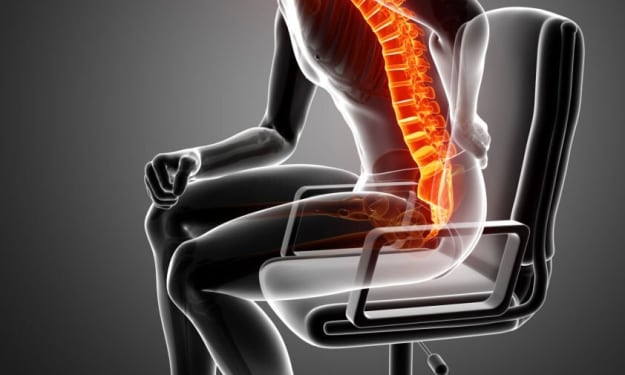
Introduction In today's fast-paced world, it's becoming increasingly common for people to spend long hours sitting at desks, in front of screens, or during their daily commutes. While the convenience of modern technology has made our lives easier, it has also brought about a sedentary lifestyle that poses serious risks to our health and well-being. This article delves into the dangers of prolonged sitting and offers practical tips on how to stay active in a sedentary world.
By Ige Olakunle3 years ago in Humans
The CEO of Everything
They say "jack of all trades, master of none," but they forgot to mention the part where the jack of all trades is also the camera woman, the makeup artist, and the person currently yelling at a tangled Wii microphone cable in a her own bathroom while recording herself singing and trying to make it look realistic and professional. (As professional as you can make it with nothing but a cell phone camera and a mic that doesn't work)
By Sara Wilson7 days ago in Humans


Comments
There are no comments for this story
Be the first to respond and start the conversation.