
Tramadol Trouble: The "Safe" Painkiller That’s Anything But
Unmasking Tramadol’s Dangers and How to Avoid Them

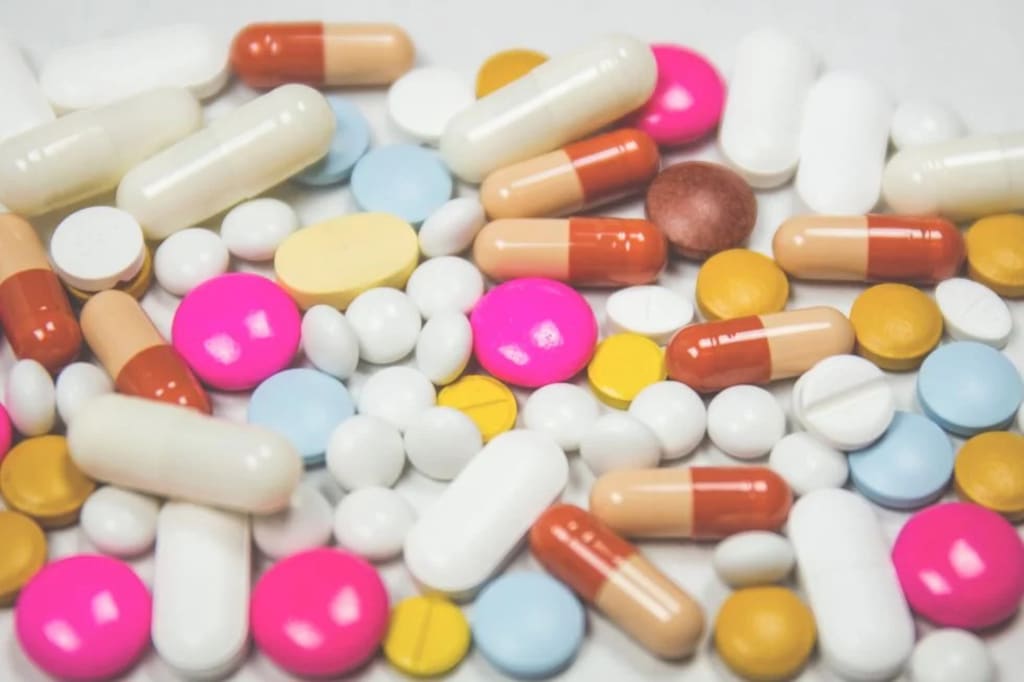
The opioid epidemic dominates headlines with substances like fentanyl and oxycodone. Yet Tramadol, marketed as a safer alternative, quietly contributes to the crisis. Despite its popularity, Tramadol harbors hidden dangers—from addiction to life-threatening overdoses. This article unpacks these risks and explores safer pain management strategies.
The Myth of a "Safe" Painkiller
Tramadol’s dual mechanism—combining opioid and non-opioid effects—earned it a reputation as a less addictive option. Initially, it was widely prescribed for moderate to severe pain, with millions relying on it by 2019. However, this “safe” label is dangerously misleading.
Tramadol can trigger addiction, severe withdrawal symptoms, and physical dependence. Its withdrawal syndrome mirrors stronger opioids, with tremors, anxiety, nausea, and seizures. These risks reveal the truth: Tramadol is neither mild nor harmless.
Why Tramadol Tempts Misuse
Many patients start Tramadol with legitimate prescriptions. But its euphoric effects encourage misuse. Even short-term use can create dependency. Patients often increase doses without medical guidance, seeking pain relief or mood enhancement—leading to addiction.
The lack of awareness amplifies this problem. Patients and healthcare providers underestimate Tramadol’s addictive potential, often overlooking warning signs until it’s too late.
With misuse escalating, Tramadol’s dangers become more evident.
The Dark Side: Side Effects and Overdoses
Common side effects include nausea, dizziness, and constipation. Yet the more severe risks are alarming. Respiratory depression—a key cause of opioid overdoses—can occur, especially when Tramadol is combined with alcohol or benzodiazepines. Additionally, serotonin syndrome, a potentially fatal condition, arises when Tramadol interacts with antidepressants.
Emergency room visits tied to Tramadol overdoses are surging. Many patients underestimate its dangers due to insufficient education on safe use and potential interactions.
Understanding Tramadol’s risks globally offers valuable lessons.
Lessons from Around the World
Tramadol misuse spans borders. In France, it’s a leading prescription drug, but awareness campaigns emphasize its risks. The U.S. classified Tramadol as a controlled substance in 2014, yet regulatory gaps persist. Both nations face challenges balancing pain relief with addiction prevention.
Healthcare providers play a pivotal role in addressing these challenges.
How Doctors Can Reduce Risks
Healthcare providers are crucial in curbing Tramadol misuse. Effective strategies include:
- Comprehensive Pain Assessment: Evaluate patients’ medical histories and addiction risks before prescribing.
- Patient Education: Clearly explain Tramadol’s risks and safe usage. Encourage open communication about treatment goals.
- Monitoring: Regular follow-ups help detect misuse early. Prescription Drug Monitoring Programs (PDMPs) track opioid use effectively.
- Tapering Plans: Gradually reduce doses to minimize withdrawal symptoms.
- Alternative Therapies: Promote non-opioid medications, physical therapy, and cognitive-behavioral approaches.
Patients also have a role in safeguarding their health.
What Patients Can Do
Patients must actively engage in their treatment plans. Steps include:
- Ask Questions: Understand medication risks and alternatives.
- Follow Instructions: Stick to prescribed doses.
- Watch for Dependency: Address cravings or withdrawal symptoms early.
- Explore Non-Drug Therapies: Consider acupuncture, yoga, or mindfulness for pain management.
- Seek Help: Contact support groups or addiction specialists if dependency arises.
Beyond individual efforts, policy changes are essential.
Policy Shifts for Safer Use
Regulation must adapt to Tramadol’s risks. Key proposals include:
- Stricter Prescribing Rules: Limit Tramadol use to cases where other options fail.
- Enhanced Monitoring: Expand PDMP coverage nationwide.
- Provider Training: Educate healthcare professionals on safe prescribing practices.
- Public Awareness Campaigns: Inform patients about Tramadol’s dangers and available treatments.
- Support Systems: Fund addiction recovery programs, including counseling and medication-assisted treatment.
Effective pain management requires a balanced, holistic approach.
Beyond Pills: Holistic Pain Management
Pain relief doesn’t have to rely on prescriptions. Non-pharmacological treatments—like acupuncture, yoga, and mindfulness—offer effective alternatives. Acupuncture stimulates nerves and releases endorphins, while mindfulness reframes pain perception, boosting resilience.
Healthcare providers should integrate these methods into treatment plans, reducing reliance on addictive drugs.
Real stories underscore the human cost of misuse.
Real-Life Impact: A Teacher’s Struggle
Mary, a 42-year-old teacher, was prescribed Tramadol after surgery. Initially, it managed her pain. But over time, she increased her dosage, becoming dependent. Withdrawal symptoms overwhelmed her attempts to quit. Stories like Mary’s highlight the urgent need for better education and support.
Conclusion: Navigating the Risks
Tramadol’s reputation as a “safe” painkiller masks its dangers. Patients, providers, and policymakers must collaborate to ensure responsible pain management. By prioritizing education, holistic approaches, and regulatory changes, we can prevent addiction and offer safer care.
About the Creator
Alain SUPPINI
I’m Alain — a French critical care anesthesiologist who writes to keep memory alive. Between past and present, medicine and words, I search for what endures.
Keep reading
More stories from Alain SUPPINI and writers in Humans and other communities.
Mastering French Without Losing Your Sanity: A Realistic Guide for Beginners
Learning French can feel like solving a Rubik’s Cube blindfolded. The tricky pronunciation, the never-ending grammar rules, and the surprising exceptions make it seem impossible. But don’t worry—equipping yourself with key expressions and effective strategies can turn frustration into fluency. Let’s simplify French and make learning enjoyable.
By Alain SUPPINIExclusive • 11 months ago
Trying to seem cool
Yes the Taylor Swift called Eldest Daughter inspired me to write this piece. I may not be an Eldest Daughter but damn that song hits hard especially the line i have been afflicted by a terminal uniqueness i've been dying just from trying to seem cool. In case you haven't read my previous pieces I am a bit of a unique soul! I am not complaining at all!
By Amanda Nicole4 days ago in Humans


Comments
There are no comments for this story
Be the first to respond and start the conversation.