
Tips to Help Your Regrow and Thinning Hair — Thickening Formula for Hair Loss Treatment
Hair Loss Treatment

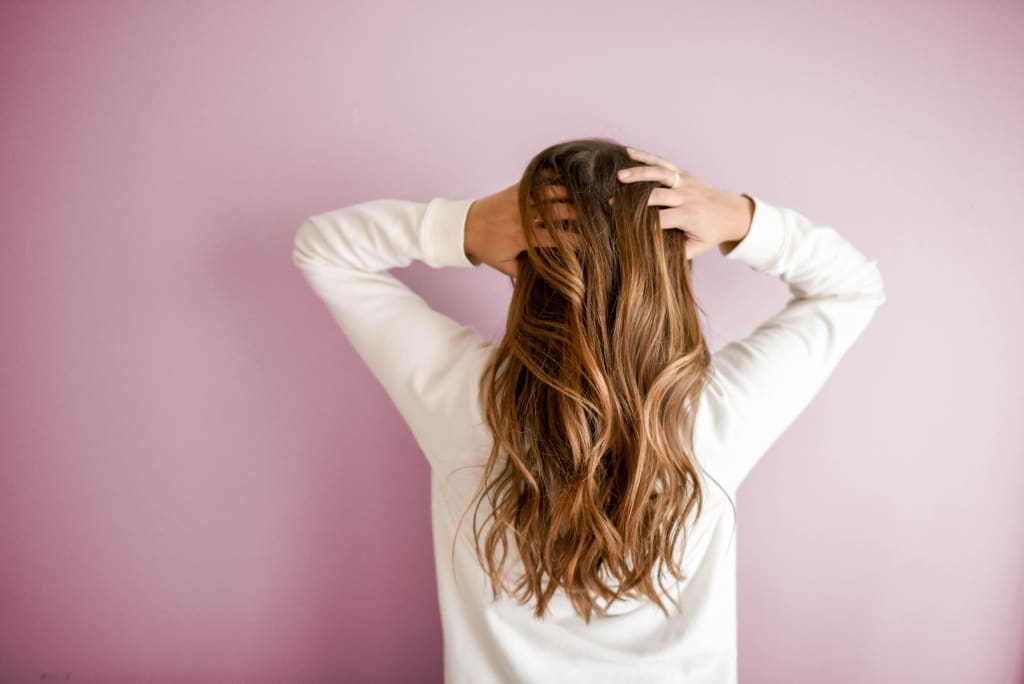
A brief glance at natural hair growth remedies
There are many natural remedies that are claimed to promote hair growth, including:
Scalp massage: Massaging the scalp can help to improve blood circulation to the hair follicles, which may help to stimulate hair growth.
Aloe vera: Aloe vera has nourishing and moisturizing properties that may help to promote healthy hair growth. It can be applied directly to the scalp or hair, or consumed as a supplement.
Coconut oil: Coconut oil is rich in nutrients that may help to promote healthy hair growth. It can be applied directly to the hair and scalp as a moisturizer and left in for several hours or overnight before washing out.
Rosemary oil: Rosemary oil is believed to stimulate hair growth by increasing circulation to the scalp. It can be used in a scalp massage or added to a hair rinse.
Biotin: Biotin is a B-vitamin that is essential for healthy hair growth. It can be taken as a supplement or found in foods like eggs, nuts, and leafy greens.
It is important to keep in mind that the effectiveness of these remedies may vary from person to person, and more research is needed to confirm their effectiveness. Additionally, it is important to consult with a healthcare professional before using any natural remedies, as they may interfere with certain medications or have other potential side effects.
What exactly is hair loss?
Hair loss, also known as alopecia, is the condition of having an abnormal amount of hair fall out. This can be a result of a variety of factors, including genetics, medical conditions, and certain medications.
There are several types of hair loss, including:
Androgenetic alopecia: This is the most common type of hair loss, and is also known as male or female pattern baldness. It is caused by a combination of genetics and hormones, and typically affects the top of the head.
Telogen effluvium: This type of hair loss is usually temporary, and is caused by a change in the hair growth cycle. It can be triggered by physical or emotional stress, pregnancy, childbirth, or certain medications.
Alopecia areata: This is an autoimmune disorder that causes hair loss on the scalp and other areas of the body. It is thought to be caused by a combination of genetic and environmental factors.
Traction alopecia: This type of hair loss is caused by tight hairstyles that pull on the hair, such as cornrows or ponytails. It can be prevented by avoiding tight hairstyles and using gentle hair care products.
Hair loss can be a distressing condition, but it is often treatable. The treatment options will depend on the underlying cause of the hair loss, and may include medications, lifestyle changes, or surgery.
Male pattern baldness:
Male pattern baldness, also known as androgenetic alopecia, is a common type of hair loss that affects men. It is caused by acombination of genetics and hormones, and typically begins with a receding hairline and thinning of the hair on the top of the head.
The hair loss associated with male pattern baldness is usually permanent, and gets worse over time. It is not usually a result of a medical condition or other underlying health problem, but some medical conditions and medications can cause hair loss that resembles male pattern baldness.
There are several treatment options available for male pattern baldness, including medications, lifestyle changes, and surgery. The most common medications for male pattern baldness are finasteride and minoxidil. Finasteride is a prescription medication that is taken orally, and it works by inhibiting the production of DHT, a hormone that plays a role in hair loss. Minoxidil is a topical medication that is applied to the scalp, and it works by improving blood flow to the hair follicles.
Lifestyle changes that may help to slow the progression of male pattern baldness include avoiding tight hairstyles, using gentle hair care products, and avoiding heat treatments like blow drying and straightening.
Surgery is another option for male pattern baldness, and there are several different types of procedures available. These include hair transplants, which involve transplanting hair from one part of the head to another, and scalp reduction surgery, which involves removing a section of the scalp with hair loss and stretching the remaining scalp over the area.
It is important to discuss the treatment options with a healthcare professional to determine the best course of action.
Female pattern baldness:
Female pattern baldness, also known as androgenetic alopecia, is a common type of hair loss that affects women. It is caused by a combination of genetics and hormones, and typically results in thinning of the hair on the top of the head.
Unlike male pattern baldness, female pattern baldness is not characterized by a receding hairline, but rather by a general thinning of the hair over the entire scalp. The hair loss associated with female pattern baldness is usually permanent, and gets worse over time.
There are several treatment options available for female pattern baldness, including medications, lifestyle changes, and surgery. The most common medications for female pattern baldness are minoxidil and spironolactone. Minoxidil is a topical medication that is applied to the scalp, and it works by improving blood flow to the hair follicles. Spironolactone is a prescription medication that is taken orally, and it works by inhibiting the production of androgens, hormones that can cause hair loss.
Lifestyle changes that may help to slow the progression of female pattern baldness include avoiding tight hairstyles, using gentle hair care products, and avoiding heat treatments like blow drying and straightening.
Surgery is another option for female pattern baldness, and there are several different types of procedures available. These include hair transplants, which involve transplanting hair from one part of the head to another, and scalp reduction surgery, which involves removing a section of the scalp with hair loss and stretching the remaining scalp over the area.
It is important to discuss the treatment options with a healthcare professional to determine the best course of action.
- This is when thinning begins around the hair.
- This entails enlarging the portion and increasing the thinning surrounding it.
- This is thinning all around, with a see-through at the top of the scalp.
This is when thinning begins around the hair.
It sounds like you may be describing the early stages of female pattern baldness, also known as androgenetic alopecia. This is a common type of hair loss that affects women, and is characterized by thinning of the hair on the top of the head. It is caused by a combination of genetics and hormones, and gets worse over time.
In the early stages of female pattern baldness, you may notice that your hair is thinning around the part, or that the part is becoming wider. You may also notice that your hair is thinning on the crown of your head, or that your hairline is not as dense as it used to be.
There are several treatment options available for female pattern baldness, including medications, lifestyle changes, and surgery. The most common medications for female pattern baldness are minoxidil and spironolactone. Minoxidil is a topical medication that is applied to the scalp, and it works by improving blood flow to the hair follicles. Spironolactone is a prescription medication that is taken orally, and it works by inhibiting the production of androgens, hormones that can cause hair loss.
Lifestyle changes that may help to slow the progression of female pattern baldness include avoiding tight hairstyles, using gentle hair care products, and avoiding heat treatments like blow drying and straightening.
Surgery is another option for female pattern baldness, and there are several different types of procedures available. These include hair transplants, which involve transplanting hair from one part of the head to another, and scalp reduction surgery, which involves removing a section of the scalp with hair loss and stretching the remaining scalp over the area.
It is important to discuss the treatment options with a healthcare professional to determine the best course of action.
This entails enlarging the portion and increasing the thinning surrounding it.
It sounds like you may be describing the progression of female pattern baldness, also known as androgenetic alopecia. This is a common type of hair loss that affects women, and is characterized by thinning of the hair on the top of the head. It is caused by a combination of genetics and hormones, and gets worse over time.
In the early stages of female pattern baldness, you may notice that your hair is thinning around the part, or that the part is becoming wider. As the condition progresses, you may notice that your hair is thinning on the crown of your head, or that your hairline is not as dense as it used to be. You may also notice that the part is becoming wider and the hair around it is thinning more.
There are several treatment options available for female pattern baldness, including medications, lifestyle changes, and surgery. The most common medications for female pattern baldness are minoxidil and spironolactone. Minoxidil is a topical medication that is applied to the scalp, and it works by improving blood flow to the hair follicles. Spironolactone is a prescription medication that is taken orally, and it works by inhibiting the production of androgens, hormones that can cause hair loss.
Lifestyle changes that may help to slow the progression of female pattern baldness include avoiding tight hairstyles, using gentle hair care products, and avoiding heat treatments like blow drying and straightening.
Surgery is another option for female pattern baldness, and there are several different types of procedures available. These include hair transplants, which involve transplanting hair from one part of the head to another, and scalp reduction surgery, which involves removing a section of the scalp with hair loss and stretching the remaining scalp over the area.
It is important to discuss the treatment options with a healthcare professional to determine the best course of action.
This is thinning all around, with a see-through at the top of the scalp.
It sounds like you may be describing advanced female pattern baldness, also known as androgenetic alopecia. This is a common type of hair loss that affects women, and is characterized by thinning of the hair on the top of the head. It is caused by a combination of genetics and hormones, and gets worse over time.
In the advanced stages of female pattern baldness, you may notice that your hair is thinning throughout the scalp, including the top and crown. You may also notice that your hairline is not as dense as it used to be, and that you have a see-through area at the top of your scalp.
There are several treatment options available for female pattern baldness, including medications, lifestyle changes, and surgery.
The most common medications for female pattern baldness are minoxidil and spironolactone. Minoxidil is a topical medication that is applied to the scalp, and it works by improving blood flow to the hair follicles. Spironolactone is a prescription medication that is taken orally, and it works by inhibiting the production of androgens, hormones that can cause hair loss.
Lifestyle changes that may help to slow the progression of female pattern baldness include avoiding tight hairstyles, using gentle hair care products, and avoiding heat treatments like blow drying and straightening.
Surgery is another option for female pattern baldness, and there are several different types of procedures available. These include hair transplants, which involve transplanting hair from one part of the head to another, and scalp reduction surgery, which involves removing a section of the scalp with hair loss and stretching the remaining scalp over the area.
It is important to discuss the treatment options with a healthcare professional to determine the best course of action.
Thickening Formula for Hair Loss Treatment
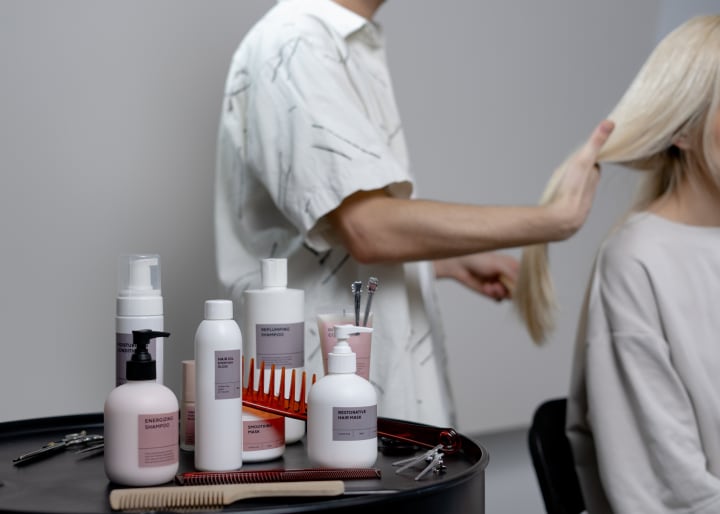
Eat a healthy, well-balanced diet: Hair is made up of a protein called keratin, so it is important to get enough protein in your diet to support healthy hair growth. In addition, including a variety of nutrients such as iron, zinc, and vitamins A and C can help to promote healthy hair growth.
Avoid styling products that can damage your hair: Heat styling tools, such as flat irons and curling irons, can damage your hair and lead to breakage. It is best to use these tools sparingly and to use a heat protectant spray to minimize the damage.
Avoid tight hairstyles: Tight hairstyles, such as ponytails and braids, can put a lot of strain on your hair and lead to breakage. It is best to avoid these styles or to wear them only occasionally.
Use a gentle shampoo and conditioner: Choosing a gentle shampoo and conditioner can help to prevent your hair from becoming dry and brittle, which can lead to breakage. Look for products that are formulated for your hair type and that are free of sulfates, parabens, and other harsh chemicals.
Consider using a hair growth or hair thickening product: There are a variety of hair growth and thickening products available on the market, including shampoos, conditioners, and serums. These products can help to nourish your hair and promote healthy growth. However, it is important to keep in mind that results may vary and that these products may not be suitable for everyone.
About the Creator
jaga
Hi This page main is help to every persons to becoming success in there life..
Love Is A Verb
“Why did nobody check on my mental health when I kept tattooing my face?” is a question I asked myself months ago. As I sat pondering on my previous life choices, I thought about the fact that many of them were clear signs that I wasn’t ok. I couldn’t help but wonder if the people in my life genuinely cared for me as they watched me get excessive face tattoos.
By Kenya Shania 4 days ago in Humans



Comments
There are no comments for this story
Be the first to respond and start the conversation.