
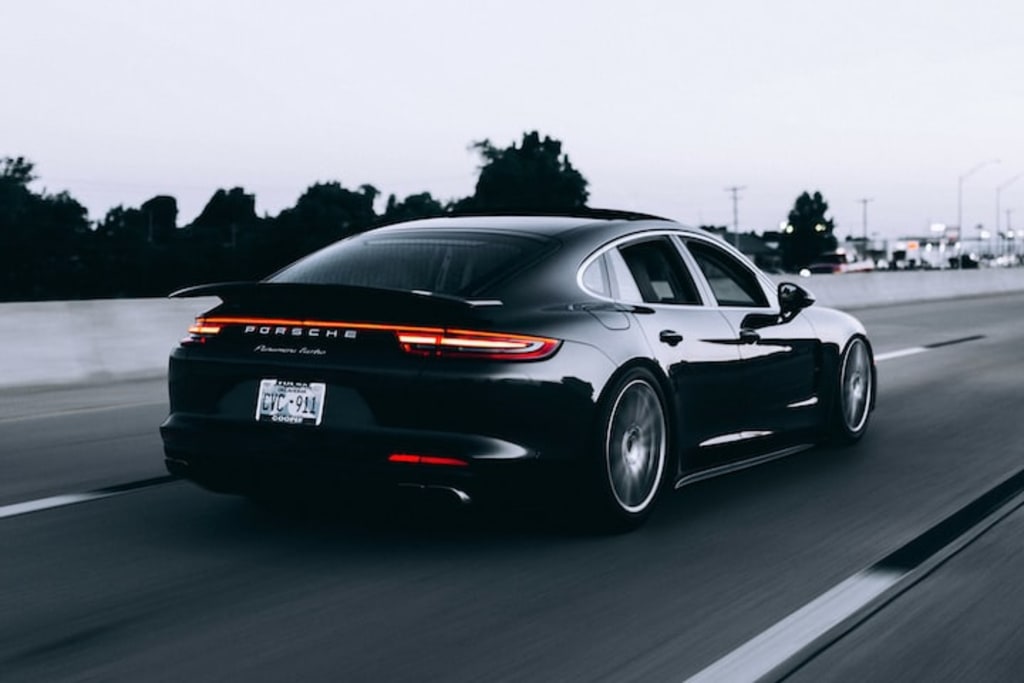
Electric cars have become increasingly prevalent in today's automotive landscape, heralded as a viable solution to combat climate change and reduce dependence on fossil fuels. However, some individuals continue to dismiss electric vehicles as nothing more than a joke. While it is important to acknowledge and address concerns regarding this new technology, dismissing electric cars outright fails to consider the significant progress made in recent years and the potential benefits they offer to society. This essay aims to shed light on the fallacies behind the idea of electric cars being a joke and demonstrate their importance in shaping a sustainable future.
Body:
Limited Range:
One of the most common criticisms leveled against electric vehicles is their limited range compared to conventional internal combustion engine (ICE) cars. Skeptics argue that the need for frequent recharging renders electric cars impractical, especially for long journeys. However, significant advancements in battery technology have significantly increased the range of electric vehicles. Modern electric cars can travel over 200 miles on a single charge, with some high-end models surpassing the 300-mile mark. Additionally, the rapid expansion of charging infrastructure worldwide has alleviated concerns about recharging accessibility. Thus, the notion of limited range as a fundamental flaw is an outdated and misleading argument.
Charging Infrastructure:
Critics often highlight the inadequacy of charging infrastructure as a major drawback of electric cars. They argue that the scarcity of charging stations hinders the widespread adoption of electric vehicles. While it is true that the charging infrastructure is still developing, substantial progress has been made globally. Governments, private companies, and individuals are investing heavily in expanding the charging network, making it increasingly convenient for electric car owners. Rapid charging stations are being installed along highways, in parking lots, and even in residential areas. Furthermore, technological advancements have reduced charging times, allowing for quicker and more efficient recharging. As the infrastructure continues to evolve, concerns over charging accessibility will become obsolete.
Environmental Impact:
Another misconception surrounding electric cars is their purported lack of environmental benefits. Critics argue that the environmental cost of manufacturing electric vehicles and their batteries outweighs the potential reduction in carbon emissions during their operational lifetime. However, numerous studies have shown that, even when accounting for the emissions associated with manufacturing, electric vehicles have a significantly lower carbon footprint than their gasoline-powered counterparts. As the global energy mix increasingly shifts towards renewable sources, the environmental advantages of electric cars will only continue to grow. Transitioning to electric vehicles is an essential step in reducing greenhouse gas emissions and mitigating climate change.
Performance and Driving Experience:
Detractors often claim that electric vehicles lack the performance and driving experience of traditional cars. They argue that electric cars are sluggish, have limited acceleration, and offer a diminished driving experience. However, the reality is quite the opposite. Electric cars offer instant torque, providing rapid acceleration and a thrilling driving experience. Additionally, the absence of an internal combustion engine results in reduced noise pollution, smoother rides, and lower maintenance costs. The integration of advanced technologies, such as regenerative braking and intelligent energy management systems, enhances the overall performance and efficiency of electric vehicles.
The idea that electric cars are a joke fails to acknowledge the significant progress made in recent years. Limited range and inadequate charging infrastructure are rapidly being addressed, and the environmental advantages of electric vehicles far outweigh any manufacturing emissions. Moreover, the driving experience and performance of electric cars continue to improve, making them a viable alternative to conventional vehicles. Rather than dismissing electric cars, it is crucial to recognize their potential in reducing greenhouse gas emissions, minimizing dependence on fossil fuels, and shaping a sustainable future. The continued development and adoption of electric vehicles should be embraced as a crucial step toward a cleaner and greener transportation sector.
About the Creator
Keep reading
More stories from Syed Arham Ahmed and writers in Humans and other communities.
Football
Football, also known as soccer in some parts of the world, has captured the hearts and minds of billions of people globally, making it the most popular and widely played sport on the planet. With its rich history, global reach, and undeniable excitement, football stands as the greatest sport ever created. This essay aims to highlight the reasons why football surpasses all others, showcasing its universal appeal, competitive nature, cultural significance, and the emotions it evokes in fans worldwide.
By Syed Arham Ahmed3 years ago in Humans
Autonomy Is The Real Privilege
Good morning, freedom-seekers! Today we’re gonna be looking at autonomy. A strange word, I know; one many would probably look at blankly and run away from on sight. We’re gonna figure out what it actually means, consider how it’s achieved, and decipher just how deeply most of us are tangled up in dependence without realising it.
By That ‘Freedom’ Guy5 days ago in Humans
I’m Feeling the Generation Gap
Funny thing, as you get older, everything changes. We start to regress. I call it the cycle of life. We start out as infants who are dependent on our parents. As we get older, we regress and become dependent on our children. Now, I don’t have children, so I am going to be in real strife in the not-too-distant future.
By Calvin London4 days ago in Humans




Comments
There are no comments for this story
Be the first to respond and start the conversation.