
Crisis in Sudan: The Urgent Need for International Action
Crisis in Sudan: The Urgent Need for International Action

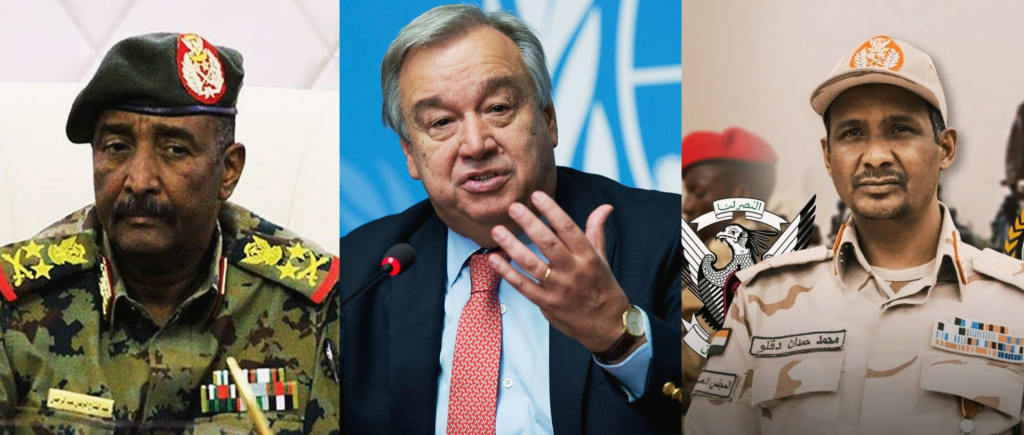
### Crisis in Sudan: The Urgent Need for International Action
The Sudanese crisis has reached a critical juncture, marked by systematic violations and atrocities perpetrated with impunity. As the Secretary-General of the United Nations, António Guterres, closely monitors the situation, grave concerns persist over the military's actions and their detrimental impact on humanitarian efforts and peace initiatives.
#### Background and Current Situation
The Sudanese military, under the leadership of the transitional government, has been accused of egregious human rights violations and deliberate obstruction of humanitarian aid. Despite international condemnation, the military's stranglehold over Sudanese territory remains unyielding. This has severely hampered efforts to deliver essential aid to those in dire need across Sudan, exacerbating an already dire humanitarian crisis.
#### Humanitarian Crisis and International Response
The international community, through various humanitarian agencies and diplomatic efforts, has attempted to mitigate the suffering of Sudanese civilians. However, the military's reluctance to cooperate has posed significant challenges. Humanitarian aid workers face constant threats and obstacles, hindering their ability to provide vital assistance to vulnerable populations.
The Secretary-General has underscored the urgent need for sustained international engagement and support. Efforts to negotiate ceasefires and establish peace have been met with resistance from the Sudanese military, which continues to prioritize its own agenda over the well-being of its people. This obstinance has perpetuated a cycle of violence and instability, undermining prospects for sustainable peace and development in Sudan.
#### Implications of the Proposed No-Fly Zone
In response to the military's defiance and the worsening humanitarian crisis, the international community is considering imposing a no-fly zone over Sudan. This measure aims to restrict military flights and enhance the safety of civilians caught in conflict zones. The proposal underscores growing international frustration with the Sudanese military's disregard for human rights and its commitment to perpetuating conflict.
However, the imposition of a no-fly zone is not without controversy. Critics argue that such a measure could escalate tensions and provoke retaliatory actions from the military. Moreover, the effectiveness of a no-fly zone in achieving its intended humanitarian outcomes remains a subject of debate among policymakers and experts.
#### Path Forward: Toward Peace and Stability
To achieve lasting peace and stability in Sudan, a multifaceted approach is imperative. First and foremost, there must be concerted diplomatic efforts to engage all stakeholders, including the military, in meaningful dialogue. The international community must leverage its collective influence to pressure the Sudanese military to prioritize peace over conflict.
Additionally, efforts to strengthen Sudan's transitional governance structures and promote inclusive political processes are essential. This includes support for civil society organizations, women's groups, and marginalized communities to ensure their voices are heard in the peacebuilding process.
Humanitarian aid must be prioritized and delivered impartially to all those in need, regardless of their political affiliations or geographic location. This requires enhanced coordination among humanitarian agencies and sustained financial support from the international community.
#### Conclusion
The crisis in Sudan represents a profound humanitarian and political challenge that demands urgent international action. The proposed imposition of a no-fly zone underscores the international community's commitment to protecting civilians and promoting peace in Sudan. However, it must be accompanied by comprehensive diplomatic efforts and sustained engagement to address the root causes of conflict and facilitate a peaceful transition to democracy.
As Secretary-General Guterres continues to advocate for a peaceful resolution, the world watches with anticipation to see if the Sudanese military will heed the calls for peace and humanitarian relief. The future of Sudan hinges on international solidarity and a steadfast commitment to justice, human rights, and sustainable peace### Crisis in Sudan: The Urgent Need for International Action
The Sudanese crisis has reached a critical juncture, marked by systematic violations and atrocities perpetrated with impunity. As the Secretary-General of the United Nations, António Guterres, closely monitors the situation, grave concerns persist over the military's actions and their detrimental impact on humanitarian efforts and peace initiatives.
#### Background and Current Situation
The Sudanese military, under the leadership of the transitional government, has been accused of egregious human rights violations and deliberate obstruction of humanitarian aid. Despite international condemnation, the military's stranglehold over Sudanese territory remains unyielding. This has severely hampered efforts to deliver essential aid to those in dire need across Sudan, exacerbating an already dire humanitarian crisis.
#### Humanitarian Crisis and International Response
The international community, through various humanitarian agencies and diplomatic efforts, has attempted to mitigate the suffering of Sudanese civilians. However, the military's reluctance to cooperate has posed significant challenges. Humanitarian aid workers face constant threats and obstacles, hindering their ability to provide vital assistance to vulnerable populations.
The Secretary-General has underscored the urgent need for sustained international engagement and support. Efforts to negotiate ceasefires and establish peace have been met with resistance from the Sudanese military, which continues to prioritize its own agenda over the well-being of its people. This obstinance has perpetuated a cycle of violence and instability, undermining prospects for sustainable peace and development in Sudan.
#### Implications of the Proposed No-Fly Zone
In response to the military's defiance and the worsening humanitarian crisis, the international community is considering imposing a no-fly zone over Sudan. This measure aims to restrict military flights and enhance the safety of civilians caught in conflict zones. The proposal underscores growing international frustration with the Sudanese military's disregard for human rights and its commitment to perpetuating conflict.
However, the imposition of a no-fly zone is not without controversy. Critics argue that such a measure could escalate tensions and provoke retaliatory actions from the military. Moreover, the effectiveness of a no-fly zone in achieving its intended humanitarian outcomes remains a subject of debate among policymakers and experts.
#### Path Forward: Toward Peace and Stability
To achieve lasting peace and stability in Sudan, a multifaceted approach is imperative. First and foremost, there must be concerted diplomatic efforts to engage all stakeholders, including the military, in meaningful dialogue. The international community must leverage its collective influence to pressure the Sudanese military to prioritize peace over conflict.
Additionally, efforts to strengthen Sudan's transitional governance structures and promote inclusive political processes are essential. This includes support for civil society organizations, women's groups, and marginalized communities to ensure their voices are heard in the peacebuilding process.
Humanitarian aid must be prioritized and delivered impartially to all those in need, regardless of their political affiliations or geographic location. This requires enhanced coordination among humanitarian agencies and sustained financial support from the international community.
#### Conclusion
The crisis in Sudan represents a profound humanitarian and political challenge that demands urgent international action. The proposed imposition of a no-fly zone underscores the international community's commitment to protecting civilians and promoting peace in Sudan. However, it must be accompanied by comprehensive diplomatic efforts and sustained engagement to address the root causes of conflict and facilitate a peaceful transition to democracy.
As Secretary-General Guterres continues to advocate for a peaceful resolution, the world watches with anticipation to see if the Sudanese military will heed the calls for peace and humanitarian relief. The future of Sudan hinges on international solidarity and a steadfast commitment to justice, human rights, and sustainable peace.
About the Creator
Miss Persephone's Manual to a Seemingly Ordinary Life
Miss Persephone was found at the dining table, her blue eyes swollen, her tears arriving and retreating like the tides of the ocean. Earlier that day, her family had visited her in the retirement home where she had lived for eight years. It was her eightieth birthday.
By Imola Tóth2 days ago in Fiction


Comments (1)
Hey, just wanna let you know that this is more suitable to be posted in the theSwamp community 😊