
The Tradition of Circumcision in Islam: History, Significance, and Practice
Understanding the Origins and Religious Importance of Khatna in Islamic Culture

Introduction
Circumcision, known in Islam as "Khatna" or "Khitan", is a well-established religious and cultural practice observed among Muslims around the world. Although it is not explicitly mentioned in the Qur’an as an obligatory act, its roots are deeply embedded in the Sunnah of Prophet Muhammad ﷺ and the traditions of earlier Prophets, particularly Prophet Ibrahim (Abraham) عليه السلام. This article explores the origin, religious justification, spiritual symbolism, medical perspective, and cultural relevance of circumcision in Islam, tracing how this practice became a vital part of Islamic identity and hygiene.
The Historical Origin of Khatna in Islam
The practice of circumcision predates Islam and is most notably linked to Prophet Ibrahim عليه السلام. According to Sahih al-Bukhari, the Prophet Muhammad ﷺ said:
> "Ibrahim performed his circumcision at the age of eighty with an adze." (Bukhari 6298)
This Hadith indicates that circumcision was part of the Millat-e-Ibrahim (Way of Abraham). Since Islam considers itself a continuation of the monotheistic tradition of Ibrahim, many of his practices were revived and institutionalized by the Prophet Muhammad ﷺ. Khatna, therefore, became a Sunnah Mu’akkadah (strongly recommended practice).
Circumcision in the Life of Prophet Muhammad ﷺ
Although there is no specific authentic narration about the Prophet’s own circumcision in the most rigorous Hadith collections, Islamic scholars agree that he was circumcised—some say he was born circumcised (a miraculous sign of his Prophethood). Furthermore, he strongly encouraged the practice among his followers.
A Hadith from Sunan Abu Dawood records:
> “The acts of Fitrah (natural disposition) are five: circumcision, shaving the pubic hair, trimming the mustache, clipping the nails, and removing the hair under the arms.”
(Sunan Abu Dawood, 53)
This narration shows that circumcision is seen as part of Tazkiyah (purification) and natural human hygiene, which aligns with Islam’s emphasis on cleanliness and bodily purity.
Religious Significance and Symbolism
Circumcision in Islam is not just a hygienic or medical procedure; it has spiritual importance:
1. Identity Marker:
It serves as a symbol of a Muslim male’s connection to the Ummah (Muslim community) and the prophetic tradition.
2. Spiritual Cleanliness:
Cleanliness is half of faith in Islam. The removal of the foreskin is believed to prevent impurity (najasah) from accumulating, thus facilitating the performance of Taharah (ritual purity).
3. Sunnah of the Prophets:
By following this practice, Muslims emulate the Prophets—especially Ibrahim and Muhammad ﷺ—thereby strengthening their Tawheed (monotheistic belief) and commitment to divine guidance.
Is Khatna Fard (Obligatory) in Islam?
There is a scholarly difference on whether Khatna is Fard (obligatory) or Sunnah Mu’akkadah (strongly recommended):
The Shafi’i and Hanbali schools consider it obligatory.
The Hanafi and Maliki schools consider it Sunnah but highly emphasized.
Despite this difference, all four Sunni schools agree that circumcision is a praiseworthy and essential act, especially for males.
Age of Circumcision
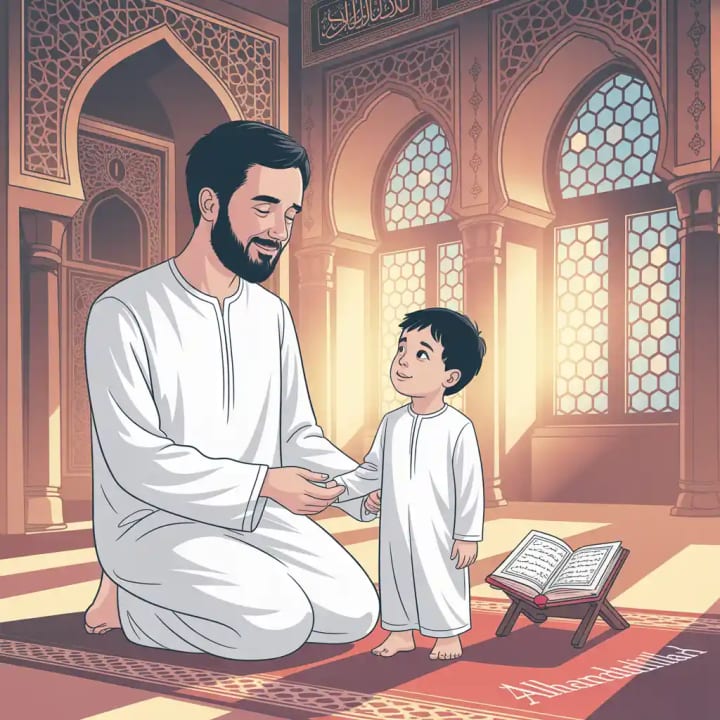
Islam does not prescribe a fixed age for circumcision. It varies by culture and tradition. Some communities perform it:
At birth
On the seventh day
Before puberty
At the age of seven or eight, when the child can understand the meaning of the act.
It is generally agreed that circumcision should be completed before the boy reaches puberty, ensuring he can fully participate in prayer and other religious duties that require ritual cleanliness.
Khatna in Muslim Cultures

Different Muslim cultures have unique rituals and customs surrounding circumcision:
In South Asia, it is often a big celebration, with family gatherings and feasts.
In Arab countries, it’s usually done quietly, early in infancy.
In Africa and Indonesia, traditional ceremonies may accompany the procedure, sometimes combining cultural and religious practices.
In some communities, female circumcision is also practiced. However, it is not required or endorsed by mainstream Islamic teachings and is often influenced by local customs rather than religious injunctions. Most scholars and Muslim-majority nations do not support female genital cutting, considering it harmful and not part of authentic Islamic practice.
Medical and Health Aspects
While the main reason Muslims practice circumcision is religious, modern medicine often supports the hygiene aspect of the procedure. According to some medical studies:
Circumcision may reduce the risk of urinary tract infections (UTIs).
It may help lower the chances of certain sexually transmitted diseases.
It improves general genital cleanliness.
However, these benefits must be weighed with proper medical care. Islam also emphasizes that no harm should be done unnecessarily, so the procedure should always be performed in safe, sanitary conditions.
Common Questions and Misunderstandings
1. Is circumcision mentioned in the Qur’an?
No direct mention of circumcision is in the Qur’an, but the Qur’an encourages following the path of Prophet Ibrahim and the Sunnah of the Prophet ﷺ, which includes circumcision.
2. Is Khatna mandatory for converts to Islam?
Converts are encouraged but not forced to undergo circumcision. If they are older and it would cause harm or difficulty, many scholars allow them to skip it, especially if they are already fulfilling other obligations of cleanliness.
Conclusion
Khatna, or circumcision, is a practice rooted in the Abrahamic tradition, maintained and reinforced by Islamic teachings. While not directly mentioned in the Qur’an, its legitimacy and importance come from the Hadith and the consensus of scholars throughout Islamic history. Beyond its physical and hygienic benefits, Khatna symbolizes a Muslim's devotion to cleanliness, submission to God, and commitment to the path of the Prophets.
As with many practices in Islam, intention (niyyah) and careful application matter most. Performed with proper understanding and care, circumcision continues to be a meaningful tradition in the life of a Muslim male.
About the Creator
Atif jamal
I write heart-touching stories and thought-provoking articles inspired by nature, emotions, and everyday life
Keep reading
More stories from Atif jamal and writers in Humans and other communities.
When Joy Turned into Tragedy: The Swat Flood That Shattered Lives
When Joy Turned into Tragedy: The Swat Flood That Shattered Lives On the morning of June 27, 2025, what began as a joyful family outing in Pakistan’s Swat Valley ended in an unimaginable tragedy. A large family, visiting the beautiful and lush valley to enjoy a picnic by the riverbank, was suddenly swept away by powerful and unexpected flash floods. The joyous laughter of children turned into screams for help. Within moments, lives were lost, dreams shattered, and hearts broken.
By Atif jamal 7 months ago in Humans
Silver Screen Magic with Mae West
American actress and singer Mae West became a popular film actress during the Great Depression. She started entertaining in vaudeville, then performed on Broadway, and finally went to Hollywood. She signed up with Paramount Pictures and made her debut in the 1932 film “Night After Night.” She also starred in musicals, comedies, and crime dramas. The American Film Institute named her one of the best classic Hollywood actresses.
By Rasma Raisters5 days ago in Geeks



Comments
There are no comments for this story
Be the first to respond and start the conversation.