
When Joy Turned into Tragedy: The Swat Flood That Shattered Lives
A family picnic washed away by raging floodwaters—Pakistan’s Swat Valley mourns yet another avoidable disaster

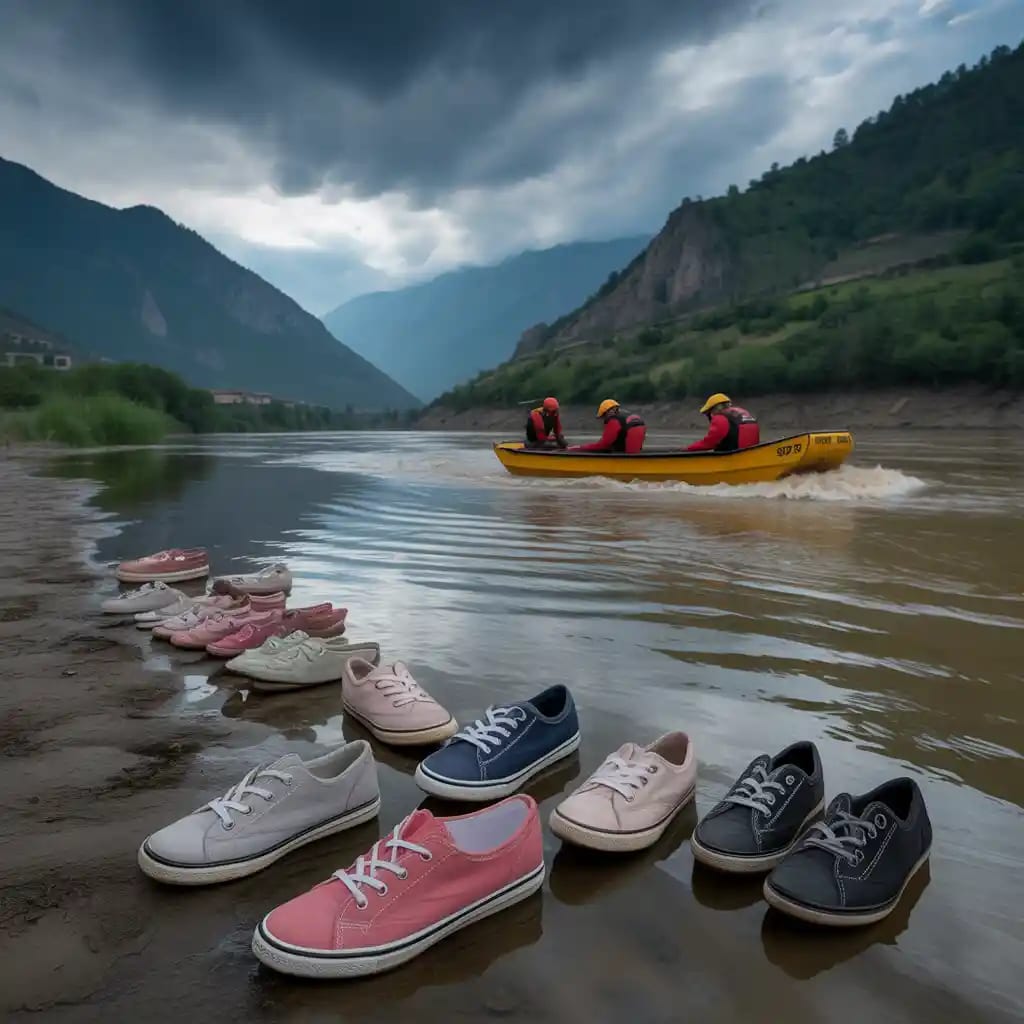
When Joy Turned into Tragedy: The Swat Flood That Shattered Lives
On the morning of June 27, 2025, what began as a joyful family outing in Pakistan’s Swat Valley ended in an unimaginable tragedy. A large family, visiting the beautiful and lush valley to enjoy a picnic by the riverbank, was suddenly swept away by powerful and unexpected flash floods. The joyous laughter of children turned into screams for help. Within moments, lives were lost, dreams shattered, and hearts broken.
This is not just a news story—it’s a human story. A painful reminder of how fragile life is, and how nature’s fury can strike without mercy.
A Day of Joy Turns Into a Nightmare
The family, consisting of around 18 members including children, had traveled from Punjab to Swat—a favorite summer destination in Pakistan known for its mountains, rivers, and scenic beauty. They had planned to spend a peaceful day along the riverbank in Bahrain Tehsil, unaware of the danger lurking in the fast-changing weather.
Despite repeated warnings by local authorities and the enforcement of Section 144 (a law preventing people from gathering near water bodies during monsoon season), the family settled near the water to enjoy lunch. Perhaps they were unaware of the risks. Perhaps they thought nature would be kind.
Suddenly, a flash flood surged through the valley, sweeping everything in its path. The serene picnic spot became a site of horror. At least 9 bodies have been recovered so far—many others are still missing. Among the victims were young children, women, and men who never saw it coming.
The Response: A Race Against Time
Rescue teams, including Rescue 1122 personnel, army units, and local volunteers, rushed to the scene. Helicopters hovered over the river, boats searched the swollen waters, and divers braved the cold, murky currents to find survivors—or at least recover the bodies of the lost.
Despite the efforts, the challenge is overwhelming. Time is critical in such disasters, and the initial delay in reporting the incident and beginning rescue operations may have cost lives.
This incident is part of a larger pattern: over 17 people have reportedly died across the country in similar monsoon-related incidents within 24 hours. Pakistan is no stranger to floods, but this particular incident hit a raw nerve—perhaps because it involved a family that had come only to make memories.
A Deeper Problem: Nature’s Wrath or Human Negligence?
Many are asking hard questions now. Could this tragedy have been avoided?
Experts point out that such floods are common during the pre-monsoon and monsoon seasons in northern Pakistan. The weather department had issued warnings. Local administration had advised tourists to stay away from riverbanks. Yet the family found themselves in a restricted zone. Some argue that signage and enforcement were weak. Others blame a lack of awareness among tourists.
But the truth lies somewhere in the middle—between poor governance and public ignorance. Tragedies like this don’t happen in isolation; they are the result of systemic neglect and a national culture that often overlooks safety in pursuit of leisure.
The Human Cost
No words can truly capture the pain of the families who lost their loved ones. Imagine a mother watching her children being swept away and being helpless to save them. Picture a father standing at the edge of the river, calling names, hoping someone will answer back.
One woman, reportedly the only survivor from a sub-group, had gone to the car to get something when the flood hit. She returned to find her entire family missing. Her tears, screams, and silence speak louder than any report.
What Must Change?
We owe it to the victims—not just to mourn, but to change. Pakistan must take flood warnings seriously, and the public must learn to respect nature’s boundaries. Tourists must be educated, riverside access strictly controlled, and early warning systems made visible and vocal.
Social media can play a role too. Influencers and travel bloggers must prioritize safety over aesthetics. Local hotels should brief guests. Police and rescue forces must patrol riverbanks during risky seasons, not just issue written notices.
And most importantly, we as a society must stop taking risks with nature. Because when nature responds, it doesn’t negotiate—it destroys.
Final Thoughts: A Lesson Written in Tears
As the nation mourns this tragedy, let it not be just another news cycle that fades away. Let us remember the names, the faces, the laughter that was silenced by one sudden wave.
Swat may continue to be beautiful—but beauty without safety is a dangerous illusion.
May the souls of the departed rest in peace. May we never forget what happened by that river.
About the Creator
Atif jamal
I write heart-touching stories and thought-provoking articles inspired by nature, emotions, and everyday life
Keep reading
More stories from Atif jamal and writers in Humans and other communities.
When Compassion Disappears
The city was awake, as usual. Cars crawled down slick roads, people rushed past one another, heads bent low against the wind, eyes fixed on screens or sidewalks—anywhere but each other. No one noticed the man sitting near the traffic light, huddled beneath a frayed blanket with a cardboard sign that read:
By Atif jamal 7 months ago in Humans



Comments (1)
This is real life story