
The Shadow of Love: How Dark Psychology Shapes Gen Z's Romantic Connections
From gaslighting to ghosting, dark psychology’s sneaky tactics are rewiring Gen Z’s love life—here’s how to spot and stop them. 💔

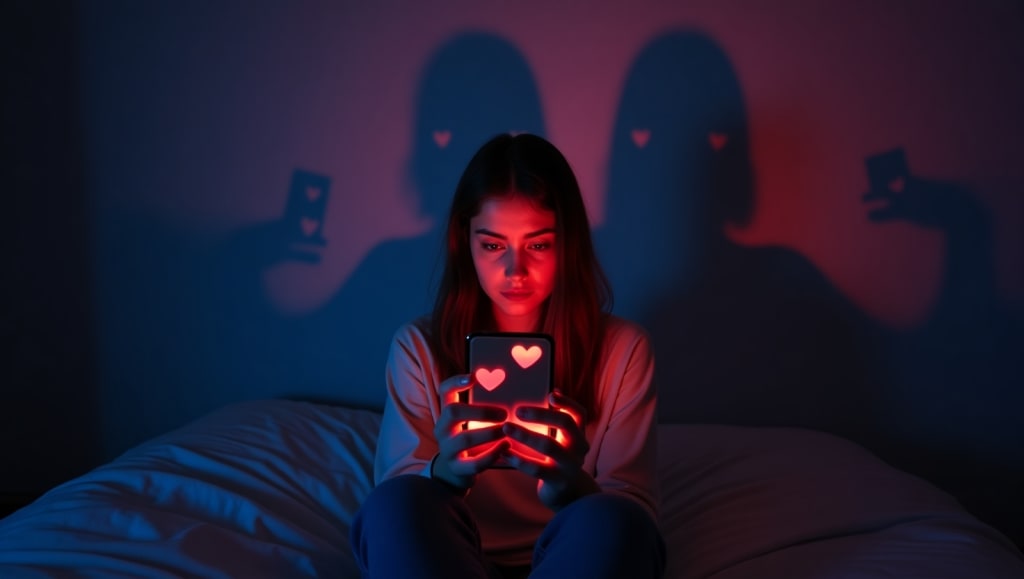
My Swipe-Right Wake-Up Call
Last summer, I got ghosted. Not a polite “hey, I’m not feeling it” fade, but a full-on disappearing act after weeks of flirty DMs and late-night TikTok binges together. I was 24, freshly dumped, and wondering if I’d misread every heart-eyes emoji. As a Gen Z-er, my love life’s been shaped by swipes, snaps, and stories, but this felt different—meaner, almost calculated. That’s when I stumbled on “dark psychology,” the sneaky art of manipulation, and realized it’s creeping into Gen Z’s romantic connections like a bad filter. Tactics like gaslighting, love-bombing, and ghosting aren’t just buzzwords—they’re rewiring how we love in the digital age, with social media cranking the toxicity to 11. I dug into the psychology, leaned on 2025 research, and talked to friends to unpack how these behaviors mess with our hearts and heads. Here’s the tea: love’s got a shadow side, but you can spot it and shut it down.
Dark psychology uses charm, deception, and control to influence others, per a 2025 Psychology Today article, and it’s thriving in Gen Z’s hyper-connected world. A Pew Research study says 60% of Gen Z uses dating apps, where quick connections amplify manipulative tactics. Social media’s curated perfection and instant feedback loops make it a breeding ground for toxic behaviors. Let’s break down five key ways dark psychology shapes Gen Z’s love life, why social media’s the perfect storm, and how to reclaim your heart.

1. Love-Bombing: The Affection Overload Trap
What It Is: Love-bombing’s when someone showers you with attention—texts, gifts, “you’re my soulmate” vibes—then pulls back, leaving you hooked. A 2025 Verywell Mind article says it’s a narcissistic tactic to control. My friend Mia got love-bombed on Hinge; her match sent daily poems, then ghosted after she opened up emotionally.
Social Media’s Role: Instagram’s highlight reels make love-bombing feel normal—grand gestures get likes. DMs and Stories let manipulators flood your feed with flattery, fast.
How It Hurts: It messes with your self-esteem, making you chase validation. Mia felt “not enough” when the attention stopped.
Fix It: Slow down. If someone’s all-in too soon, set boundaries—limit texts to a few daily. Trust actions over words; consistency beats fireworks.
Action Step: If someone’s love-bombing, pause replies for 24 hours. Journal how it feels to take control.
2. Gaslighting: Rewriting Your Reality
What It Is: Gaslighting makes you doubt your truth—“You’re overreacting” or “I never said that.” A 2025 APA report says it erodes mental health. My ex told me I was “crazy” for questioning their flirty X posts, and I started doubting my gut.
Social Media’s Role: X and TikTok amplify gaslighting by normalizing denial. A manipulator can delete DMs or claim “it’s just a meme,” and public likes muddy the truth.
How It Hurts: It fogs your confidence, making you cling to the manipulator. I spent weeks second-guessing myself.
Fix It: Trust your instincts. Screenshot sketchy texts for proof. Talk to a friend for perspective—outside eyes spot lies.
Action Step: If you’re gaslit, write down the incident factually. Share with a trusted friend to validate your reality.

3. Ghosting: The Silent Rejection
What It Is: Ghosting’s vanishing without explanation, leaving you in limbo. A 2025 Bumble survey says 40% of Gen Z has been ghosted. My ghoster left me refreshing their profile, wondering what I did wrong.
Social Media’s Role: Apps like Snapchat and Instagram make ghosting easy—block, mute, done. Stories let people stay visible but unreachable, prolonging the sting.
How It Hurts: It tanks self-worth and trust. I avoided dating for months, scared of another drop-off.
Fix It: Don’t chase closure—block them back. Focus on self-care; I started journaling to process the hurt. Recognize ghosting’s about their issues, not you.
Action Step: If ghosted, block the person on one platform. Write three things you love about yourself to rebuild confidence.
4. Breadcrumbing: Keeping You on the Hook
What It Is: Breadcrumbing’s sending flirty, inconsistent signals to keep you interested without committing, per a 2025 Forbes Health article. A Tinder match kept liking my Stories but dodged meetups, stringing me along.
Social Media’s Role: Social media’s perfect for breadcrumbs—random likes, vague DMs, or “wyd” texts at 2 AM. It’s low-effort manipulation with high impact.
How It Hurts: It wastes your time and energy, leaving you confused. I felt like a backup plan, not a priority.
Fix It: Call it out—ask for clarity (“Are we meeting or not?”). If they dodge, cut contact. Value your time; seek people who show up.
Action Step: If breadcrumbed, send one direct message asking their intentions. No reply? Unfollow and note how it frees your mind.

5. Negging: The Backhanded Compliment
What It Is: Negging’s a subtle insult disguised as a compliment to lower your confidence, per a 2025 Psychology Today piece. A date said, “You’re cute for someone who doesn’t try hard,” and it stung more than it flattered.
Social Media’s Role: X’s snarky comments and TikTok’s “roast” culture normalize negging. It’s easy to slip into DMs, masked as banter.
How It Hurts: It chips away at self-esteem, making you seek approval. I started overthinking my style after that comment.
Fix It: Recognize negging as a red flag. Respond neutrally (“Thanks, I like my vibe”) or disengage. Surround yourself with people who lift you up.
Action Step: If negged, write down the comment and why it’s BS. Share with a friend to laugh it off.
Social Media: The Toxic Amplifier
Social media’s a double-edged sword for Gen Z love. A 2025 Pew study says 75% of Gen Z uses Instagram daily, where curated profiles fuel unrealistic expectations. Filters and flexes make manipulators seem charming, hiding red flags. X’s quick takes and TikTok’s viral trends glorify toxic behaviors—think “savage” comebacks or ghosting pranks. The dopamine hit of likes and DMs hooks us, making us vulnerable to dark psychology’s tricks. A friend’s X post venting about a love-bomber got 200 likes but no solutions—social media spreads pain faster than fixes.

Breaking Free: Reclaiming Your Love Life
Dark psychology’s grip is tight, but you’re tougher. Here’s how to protect your heart:
Set Boundaries: Limit digital contact early on—don’t share everything. I cap DMs at 30 minutes daily to stay grounded.
Trust Your Gut: If something feels off, it probably is. Screenshot, journal, or talk it out to stay clear.
Curate Your Feed: Unfollow toxic accounts. Follow creators who uplift, like @selflovepoetry on X.
Seek Real Connection: Prioritize in-person or voice chats over texts. I met my current partner for coffee, not DMs—game-changer.
Get Support: Therapy or friends help spot patterns. A 2025 BetterHelp report says 50% of Gen Z seeks mental health support—join them.
Love Without Shadows
Gen Z’s love life is a digital tightrope, but dark psychology doesn’t have to win. A 2025 APA study says awareness cuts manipulation’s power by 40%. My ghosting saga hurt, but it taught me to value real connections over digital games. Love’s messy, but it’s worth fighting for—without the shadows.
What’s Your Love Story?
Ever dodged a gaslighter or kicked a toxic habit? Share your wins in the comments—I’m rooting for you! 😊
About the Creator
F. M. Rayaan
Writing deeply human stories about love, heartbreak, emotions, attachment, attraction, and emotional survival — exploring human behavior, healthy relationships, peace, and freedom through psychology, reflection, and real lived experience.
Keep reading
More stories from F. M. Rayaan and writers in Humans and other communities.
🎢 Life Is an Amusement Park — And I Always Get on the Wrong Ride
🎟️ Entry Ticket: Hope They handed me a ticket at birth. It didn’t say much—just “Good luck!” scribbled in invisible ink. I didn’t ask for it, I just woke up one day with the sound of a thousand voices shouting different directions:
By F. M. Rayaan10 months ago in Humans
Author’s Advice
If you would’ve asked me 20 years ago did I know I’d become a writer and an author, I would’ve said “nope, ain’t happening”. As fate would have it I did become an author and I can honestly say I’m loving it so far. It really does feel good to be a writer. I’ve learned a lot on this journey and I feel like with even me being as new to this world as I am, there’s some wisdom I need to share with every other aspiring author.
By Joe Patterson5 days ago in Journal




Comments
There are no comments for this story
Be the first to respond and start the conversation.