
The Rise of Emotional AI: How Technology is Learning to Understand Human Feelings
How Emotional AI is Shaping a Future Where Technology Understands, Responds to, and Empathizes with Human Emotions
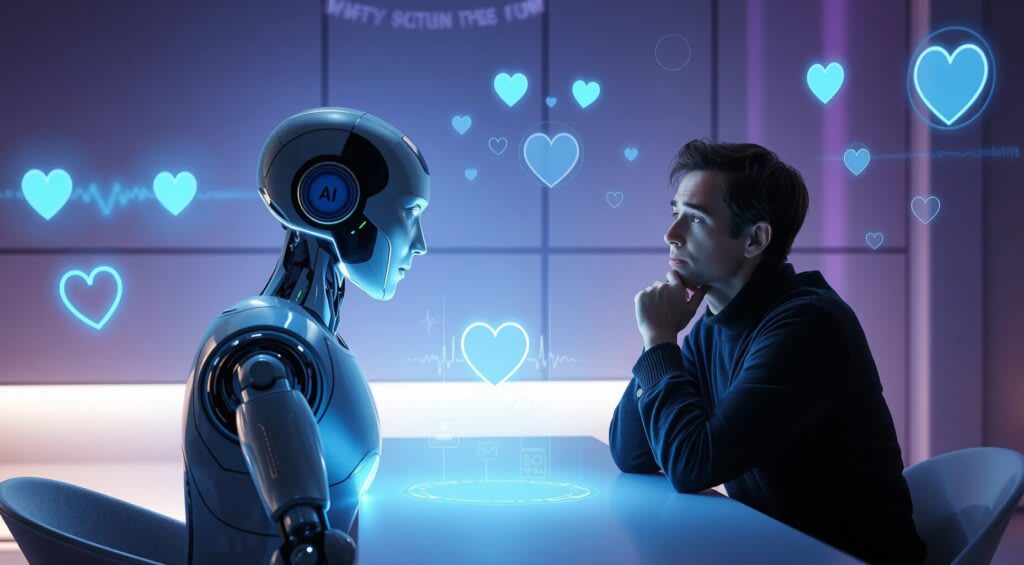
Artificial intelligence (AI) has revolutionized industries by automating tasks and analyzing data at speeds beyond human capacity. But now, AI is stepping into a new dimension—understanding human emotions. Welcome to the era of Emotional AI, a cutting-edge development where technology is no longer just logical but also empathetic, learning to interact with humans on a deeper, emotional level. This concept might sound like science fiction, but Emotional AI is becoming a reality, transforming how we interact with technology in surprising ways. Here’s a look into what Emotional AI is, how it works, and the future implications of this fascinating advancement.
1. What is Emotional AI?
Emotional AI, also known as affective computing, is the branch of AI focused on recognizing, interpreting, and responding to human emotions. It utilizes a blend of machine learning, natural language processing, computer vision, and data analytics to interpret facial expressions, vocal tones, gestures, and even the words we choose, allowing it to gauge our emotional states. Emotional AI aims to bridge the gap between human-machine interactions, making technology more intuitive and human-centric.
2. How Does Emotional AI Work?
Emotional AI relies on algorithms that detect and analyze subtle signals in human behavior. Here are some of the primary methods:
Facial Recognition: Algorithms analyze facial expressions to determine emotions such as happiness, sadness, anger, or surprise. For instance, a subtle smile may be recognized as a sign of happiness, whereas a furrowed brow could suggest feelings of worry or concern
Voice Analysis: Emotional AI can detect nuances in tone, pitch, and volume to assess emotional states. A louder, faster-paced voice might indicate excitement, while a slower tone may imply sadness or fatigue.
Text Analysis: Natural language processing (NLP) can analyze words, phrases, and sentence structures in texts or emails to detect emotional cues. For example, words like “frustrated” or “thrilled” indicate clear emotional states.
Body Language and Gesture Recognition: Sensors and cameras can track body language and gestures, adding another layer to understanding human emotions.
These methods combine to give Emotional AI a holistic view of human emotions, allowing it to make more accurate and relevant responses.
3. Applications of Emotional AI Across Industries
The applications of Emotional AI are rapidly expanding, with various industries already integrating this technology in innovative ways.
1. Customer Service
Emotional AI can be used in call centers to assess the mood of a caller. If a customer is frustrated or upset, the system can alert human agents, prompting them to be more empathetic and adjust their responses accordingly. This can enhance customer satisfaction and foster greater loyalty
2. Healthcare
In mental health care, Emotional AI can be used to analyze patient moods and emotions over time, providing insights that can help therapists and mental health professionals. For example, an AI-powered app could track a user’s emotional patterns and offer personalized support or alert caregivers when a potential issue arises.
3. Marketing and Advertising
By detecting emotional responses to ads, Emotional AI enables brands to create more effective marketing campaigns. Companies can gauge how viewers emotionally respond to different types of content and optimize advertisements accordingly, making marketing more personalized and emotionally engaging.
4. Education
Emotional AI can be a valuable tool in the education sector, identifying students who may be disengaged or struggling emotionally. This information can be provided to educators, allowing them to give these students the support they need.
5. Human Resources
In HR, Emotional AI can help assess job candidates' emotional responses during interviews, offering insights into their personalities and fit for the company culture. Additionally, it can be used to monitor employee well-being, making HR management more responsive to employee morale and mental health.
4. Challenges and Ethical Concerns
While Emotional AI offers exciting possibilities, it also raises important ethical questions. The following are some key challenges:
Privacy and Consent: Emotional data is highly personal. Ensuring that individuals consent to their emotions being analyzed is crucial. This can be challenging in industries where Emotional AI is used covertly, such as in marketing or customer service.
Bias and Accuracy: Algorithms are only as unbiased as the data they are trained on. If Emotional AI is trained on limited or biased datasets, it could misinterpret emotions, leading to inaccurate responses.
Emotional Manipulation: There is a risk of Emotional AI being used to manipulate individuals by leveraging emotional data to persuade or influence them in ways they may not be fully aware of. This is especially concerning in areas like advertising, where emotional cues could be exploited to drive consumer behavior.
5. The Future of Emotional AI
Although Emotional AI is currently in its early stages, it holds significant potential for future development. As algorithms become more refined, they will be able to understand complex emotions and even respond with empathy, creating more natural and fulfilling human-computer interactions. We may see Emotional AI used in personal assistants that can offer comfort during tough times, virtual therapy sessions, or even AI-powered friends who can understand and respond to our feelings.
The possibilities are exciting, but for Emotional AI to reach its full potential, developers must prioritize ethical considerations and ensure the technology respects privacy and maintains transparency. With the right balance of innovation and responsibility, Emotional AI could lead to a future where technology is not just a tool but a companion that truly understands and cares about our emotional well-being.
Conclusion:
Emotional AI has the power to transform how we interact with technology, bridging the gap between human emotions and machine responses. From enhancing customer service to supporting mental health, the applications of this technology are vast and impactful. However, as with all advancements, the development of Emotional AI must be approached with caution and ethical awareness. The future of Emotional AI is bright, but only if it respects the emotional boundaries and privacy of those it serves.
About the Creator
Reader insights
Nice work
Very well written. Keep up the good work!
Top insights
Compelling and original writing
Creative use of language & vocab
Expert insights and opinions
Arguments were carefully researched and presented
Keep reading
More stories from Yulnaaz Ulker and writers in Humans and other communities.
Punjab College Incident: Sneha's Story and the Importance of Addressing Harassment in Educational Institutions
Recently, a tragic incident at Punjab College has shaken the entire community. Sneha, a student at the college, reportedly faced harassment that led to devastating consequences. This incident has sparked widespread outrage, raising important questions about the safety and security of students, especially women, in educational institutions across Pakistan.
By Yulnaaz Ulkerabout a year ago in Humans
Time to change your life.
Is it even possible for you to change your life? A lot of people, more than there should be, are unhappy with their lives. But what are they doing about it? Usually nothing. People talk about how shitty their lives are and want change, but are they not taking the actions to change?
By Jen Phillips2 days ago in Humans
System Down: Dancing with Brainwashed Zombies and Brainless AssLicking Shapeshifters while Eating Protein Enriched Brain Tacos
System Down: AHHHHHHHHHHHHHH Death is not the greatest loss in life. The greatest loss is what dies inside while still alive. Never surrender," --Tupac
By SAMURAI SAM AND WILD DRAGONS4 days ago in Humans



Comments
There are no comments for this story
Be the first to respond and start the conversation.