
Punjab College Incident: Sneha's Story and the Importance of Addressing Harassment in Educational Institutions
Creating Safer Campuses: The Aftermath of Sneha’s Harassment Case
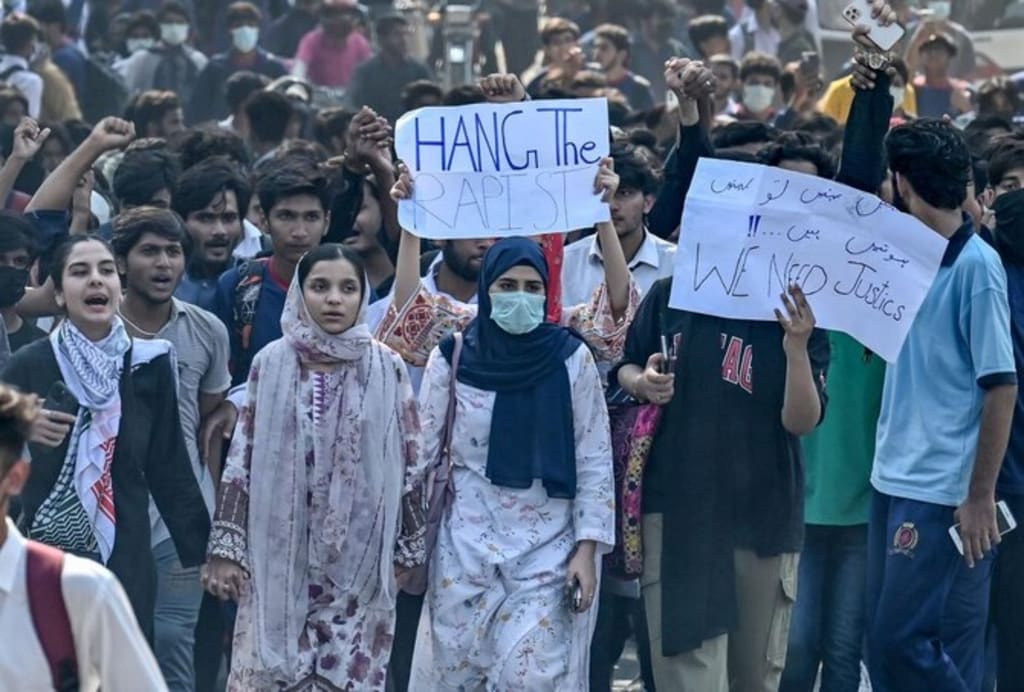
Recently, a tragic incident at Punjab College has shaken the entire community. Sneha, a student at the college, reportedly faced harassment that led to devastating consequences. This incident has sparked widespread outrage, raising important questions about the safety and security of students, especially women, in educational institutions across Pakistan.
The Incident
Sneha’s case is not an isolated event, but it has highlighted a deeper problem that exists in many educational institutions. Reports suggest that Sneha faced continuous harassment by certain individuals, which allegedly led to extreme emotional distress. While the details of the incident are still under investigation, what remains clear is that such issues require immediate and strong action from both the administration and society as a whole.
The Impact of Harassment on Students
Harassment in schools and colleges can have severe psychological effects on students, particularly girls. It leads to:
Mental Health Issues: Victims often suffer from anxiety, depression, and in severe cases, trauma that can last for years.
Disrupted Education: When students do not feel safe, it becomes difficult for them to focus on their studies, affecting their academic performance and future prospects.
Social Isolation: Many victims of harassment feel isolated or alienated from their peers, making it harder for them to speak up or seek support.
The Need for Institutional Support
Punjab College, like many other institutions, must take this incident as a wake-up call to improve policies regarding student safety. Here are a few steps that should be considered:
Zero Tolerance Policy: Harassment of any form should not be tolerated. Institutions need strict anti-harassment policies, with clear consequences for those who violate them.
Counseling and Support: Students should have access to counseling services where they can safely share their concerns and receive mental health support.
Training and Awareness: Teachers, staff, and students must undergo regular training on how to recognize and handle cases of harassment. Awareness programs can help foster a culture of respect and safety.
Society’s Role
While educational institutions have a responsibility to protect their students, society at large also plays a critical role. Families, media, and communities need to support victims rather than stigmatize them. Discussions around harassment must be normalized, so that victims feel empowered to come forward and demand justice.
Moving Forward
The incident at Punjab College is a harsh reminder that harassment is a serious issue that can no longer be ignored. Authorities must conduct a thorough investigation and ensure that justice is served in Sneha’s case. At the same time, educational institutions must create safer environments where all students can learn without fear.
The loss of any young life is a tragedy, but we must ensure that Sneha’s story leads to meaningful change. Only then can we honor her memory and protect future generations from facing the same pain.
Conclusion
Sneha’s case has ignited a necessary conversation about harassment in schools and colleges. It is crucial that institutions, families, and society work together to create safer spaces for students. Let this incident be a turning point, not just for Punjab College, but for educational institutions across Pakistan, to take strong actions against harassment and build a safer future for all.
About the Creator
Keep reading
More stories from Yulnaaz Ulker and writers in Humans and other communities.
What Kills Long-Distance Relationships Faster Than Cheating
Long-distance relationships put most couples' emotional strength to the test in unexpected ways. While we often blame adultery for breakups, we consistently observe that many long-distance relationships end before infidelity occurs. The true damage is frequently caused by quieter difficulties that develop over time and gradually erode trust, connection, and emotional safety.
By Relationship Guide7 days ago in Humans



Comments
There are no comments for this story
Be the first to respond and start the conversation.