
The Rise of Electric Cars and Their Impacts on Future Transportation
Driving Towards a Greener Future: The Impacts of Electric Cars on Transportation
Automobiles play a crucial role in transportation worldwide. However, conventional internal combustion engine (ICE) vehicles, relying on fossil fuels, also bring along a range of issues that have serious impacts on the environment and human health. Air pollution, climate change, energy security, and sustainability are some of the critical challenges that require a transformation in the transportation sector. One of the key pillars of this transformation is the rise of electric cars.
Electric cars are vehicles that operate using electric motors instead of internal combustion engines, and they are equipped with batteries that can store electric energy. The development of electric cars has gained momentum due to factors such as decreasing battery costs, improving energy efficiency, environmentally-friendly characteristics, and government incentives. In this article, we will discuss the rise of electric cars and their impacts.
The rise of electric cars is closely linked to increasing awareness about environmental sustainability and efforts towards energy transition. The use of fossil fuels results in environmental issues such as carbon dioxide emissions, air pollution, and climate change. Electric cars, on the other hand, provide zero-emission driving, reducing negative impacts on the environment and human health. The zero-emission driving of electric cars plays a significant role in mitigating climate change by reducing greenhouse gas emissions.
Another impact area is air pollution. Conventional ICE vehicles emit pollutants into the air through exhaust emissions, which negatively affect air quality. Electric cars, on the other hand, operate with zero emissions, improving local air quality. In urban areas, electric cars can contribute to combating traffic congestion and air pollution by offering an eco-friendly alternative for transportation.
In addition to environmental benefits, electric cars also have social and economic impacts. Electric cars can reduce dependence on fossil fuels, which can enhance energy security by diversifying energy sources. Moreover, electric cars can create new job opportunities in the manufacturing, installation, and maintenance of electric vehicle infrastructure. The shift towards electric cars also has the potential to reduce healthcare costs associated with air pollution-related health issues, leading to improved public health outcomes.
Furthermore, the rise of electric cars has implications for the energy sector. The increased demand for electricity to power electric cars can impact electricity generation, distribution, and storage systems. This can drive the need for renewable energy sources, such as solar and wind, for electricity production, leading to a transition to a more sustainable and low-carbon energy mix. However, this also presents challenges in terms of managing the increased demand for electricity and developing adequate charging infrastructure to support electric vehicle adoption.
The adoption of electric cars is also reshaping the automotive industry. Electric vehicles require different technologies, components, and manufacturing processes compared to conventional ICE vehicles. This can result in changes in the supply chain, manufacturing practices, and workforce skill requirements in the automotive sector. The shift towards electric cars is also driving innovation in battery technology, charging infrastructure, and vehicle design, which can have long-term impacts on the automotive industry and related sectors.
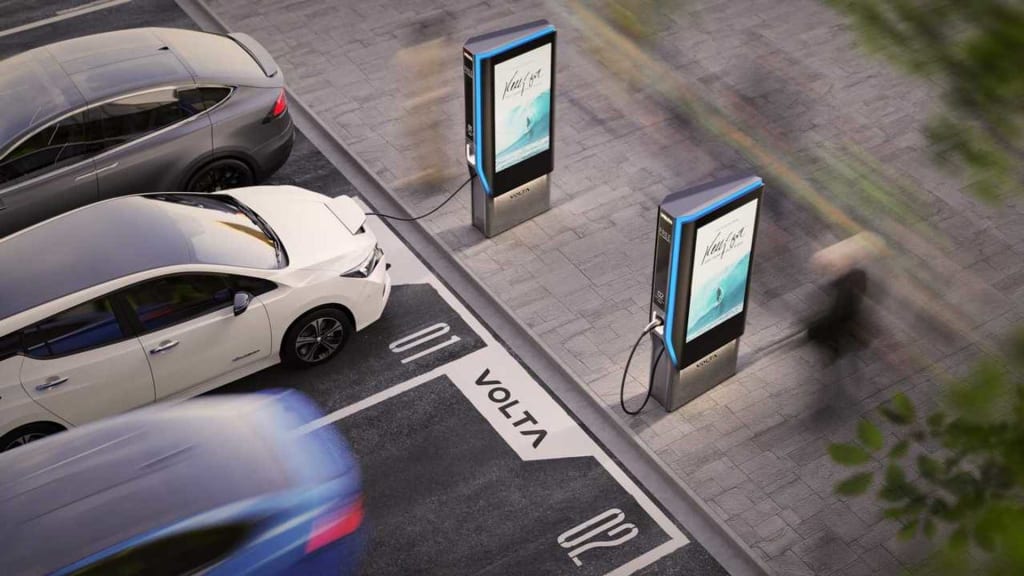
Moreover, the rise of electric cars is influencing urban planning and infrastructure development. As electric cars require charging infrastructure, cities need to plan and develop adequate charging stations, both at homes and in public places, to support the growing number of electric vehicles. This can lead to changes in urban planning and transportation infrastructure, with a focus on integrating electric vehicle charging infrastructure into urban development plans.
However, there are also challenges and barriers to the widespread adoption of electric cars. The high upfront cost of electric vehicles, limited charging infrastructure in some regions, range anxiety (fear of running out of battery charge), and the need for more sustainable battery production and disposal methods are some of the challenges that need to be addressed to accelerate the transition to electric cars.
About the Creator
Keep reading
More stories from writers in Humans and other communities.
The CEO of Everything
They say "jack of all trades, master of none," but they forgot to mention the part where the jack of all trades is also the camera woman, the makeup artist, and the person currently yelling at a tangled Wii microphone cable in a her own bathroom while recording herself singing and trying to make it look realistic and professional. (As professional as you can make it with nothing but a cell phone camera and a mic that doesn't work)
By Sara Wilson6 days ago in Humans
Cheat Code
We live in a time where we need two full-time jobs. As well as probably like 3 roommates. The cost of living has gotten out of control. Where minimum wage is now the minimum employers are legally allowed to pay. It used to be that minimum wage was the minimum you needed to pay for basic human needs. Such as: housing, food, and travel expenses to and from work. Leaving enough money left over at the end of the month for savings and entertainment.
By Jen Phillipsabout 2 hours ago in Humans
Affection and Healing for Yourself
During the night of the last quarter moon, I gathered my ritual supplies. I carefully handled the chunk of black tourmaline that would protect me from your overall negative and narcissistic energy. I carefully walked the house with my stick of selenite in hand, asking the universe to cleanse our working space.
By Alisha Wilkins ✒️🦋🖋️4 days ago in Fiction


Comments
There are no comments for this story
Be the first to respond and start the conversation.