
The Resilience of Maya Angelou's "I Know Why The Caged Bird Sings
Defying Censorship and Empowering Young Voices through Uncomfortable Realities

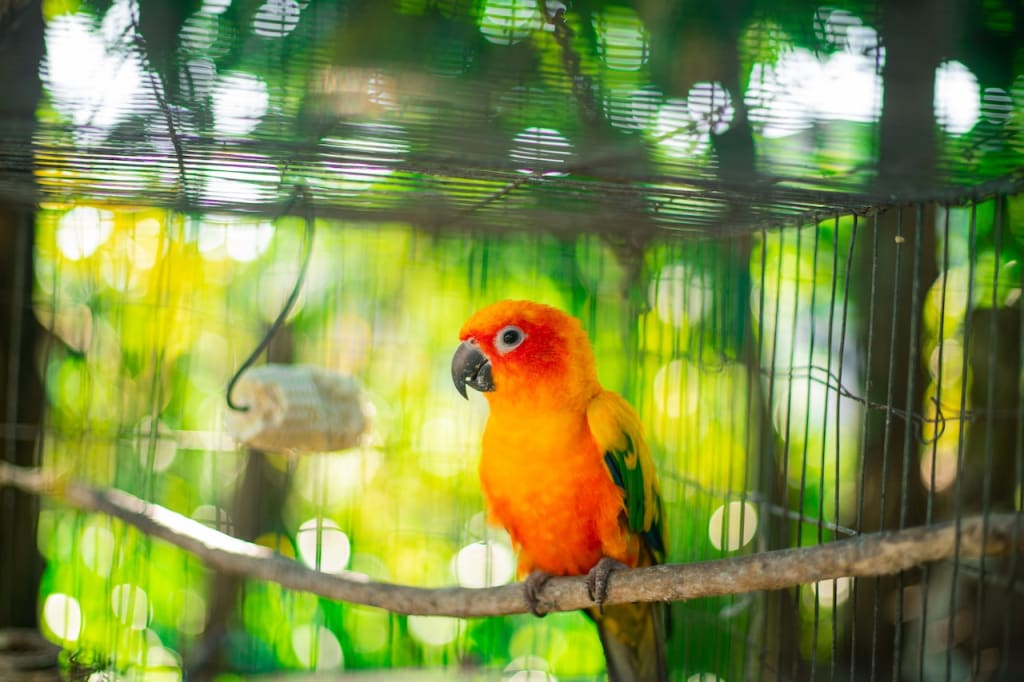
In 1998, a Maryland school district sparked controversy by removing Maya Angelou's acclaimed work, "I Know Why The Caged Bird Sings," from its curriculum. Parents advocating for the ban argued that the book was "sexually explicit" and "anti-white." However, after facing opposition from parents and teachers, the decision was eventually overturned. This incident was just one example of the numerous challenges faced by Angelou's memoir, which has frequently been the target of banning attempts. Critics argue that the book's account of sexual assault and the violence of racism in the United States is inappropriate for young readers. However, such concerns fail to grasp the essence of Angelou's story, which employs these very themes to explore the perils of censorship and silence in the lives of young people.
Published in 1969, "I Know Why The Caged Bird Sings" delves into the author's childhood, narrating her experiences growing up as a poor, Black female in the southern United States. At the core of the narrative lies Angelou's poignant account of being sexually assaulted at the tender age of seven and a half. Surrounded by adults who considered the subject too taboo to discuss, Angelou internalized the blame. When she eventually identified her abuser in court, he met a violent end at the hands of vigilantes. Angelou began to believe that her voice was responsible for his death, leading her to withdraw from speaking for six years. The memoir serves as a chronicle of Angelou's journey towards rediscovering her voice, while also shedding light on the pain and misplaced shame that arise from avoiding uncomfortable realities.
Angelou's masterful narrative voice seamlessly blends her childhood confusion with her adult understanding, offering readers insights that were denied to her as a child. She draws connections between her early experiences of being silenced and shamed and the struggles of being poor and Black in the segregated United States. With profound insight, she writes, "The Black female is caught in the tripartite crossfire of masculine prejudice, white illogical hate, and Black lack of power."
"I Know Why The Caged Bird Sings" stands as one of the first books to openly address child sexual abuse, breaking ground by presenting the perspective of the abused child. Throughout history, Black women writers had been shackled by stereotypes that hypersexualized them. Fearful of perpetuating these stereotypes, few dared to write about their own sexuality. Angelou, however, refused to be constrained by such limitations. She fearlessly explored her most personal experiences, devoid of apology or shame. This spirit of defiance infuses her writing with a sense of hope that counters the often traumatic subject matter of the memoir. Recounting how a fellow student defied instructions by singing the Black National Anthem in the presence of white guests, she writes, "The tears that slipped down many faces were not wiped away in shame. We were on top again... We survived."
Published during the height of the Civil Rights and Black Power movements, Angelou's memoir emerged at a time when activists were demanding educational curricula that acknowledged the diverse experiences within the United States. However, shortly after its inclusion in schools, the book faced numerous challenges. Throughout the 1970s and 80s, campaigns to control lesson plans surged across America. "I Know Why The Caged Bird Sings" consistently ranked near the top of the American Library Association's list of the most frequently banned or challenged books. Yet, parents, students, and educators persistently fought back in support of this memoir. By 2013, it had become the second most taught non-fiction text in high school English classes across the United States.
When asked about her feelings regarding having written one of the most banned books, Angelou astutely remarked, "I find that people who want my book banned have never read a paragraph of my writing but have heard that I write about a rape. They act as if their children are not faced with the same threats. And that's terrible." Angelou firmly believed that children old enough to be victims of sexual abuse and racism were also old enough to read about these subjects. She recognized that listening and learning were vital for overcoming adversity, and that the unspeakable becomes far more dangerous when left unspoken.
Henrik Leandro
About the Creator
Henrik Leandro Laukholm Solli
Free thinker, traveler and humanist <3
Keep reading
More stories from Henrik Leandro Laukholm Solli and writers in Humans and other communities.
Navigating Rejection: Understanding the Pain and Finding Resilience
Rejection hurts. It’s incredibly painful to feel like you’re not wanted— and we do mean painful. fMRI studies have found that rejection elicits brain activity in multiple neural regions that process physical pain. And the language we use to describe rejection mirrors this experience. Researchers recorded over a dozen languages that relate rejection to being hurt, using terms like “crushed” or “broken-hearted.”
By Henrik Leandro Laukholm Solli3 years ago in Humans
Autonomy Is The Real Privilege
Good morning, freedom-seekers! Today we’re gonna be looking at autonomy. A strange word, I know; one many would probably look at blankly and run away from on sight. We’re gonna figure out what it actually means, consider how it’s achieved, and decipher just how deeply most of us are tangled up in dependence without realising it.
By That ‘Freedom’ Guyabout 9 hours ago in Humans
How Astrology Affects Twin Flame Attraction and Separation Cycles.
Twin flame attraction feels instant and consuming. Separation feels confusing and painful. Astrology explains why these cycles repeat. Planetary movements influence timing, emotional intensity, and personal growth. You experience pull and distance through energetic patterns reflected in birth charts and transits.
By Wilson Igbasi4 days ago in Humans




Comments
There are no comments for this story
Be the first to respond and start the conversation.