
The Quiet Epidemic of Emptiness
Why Some People Feel Empty Even When Life Looks Full

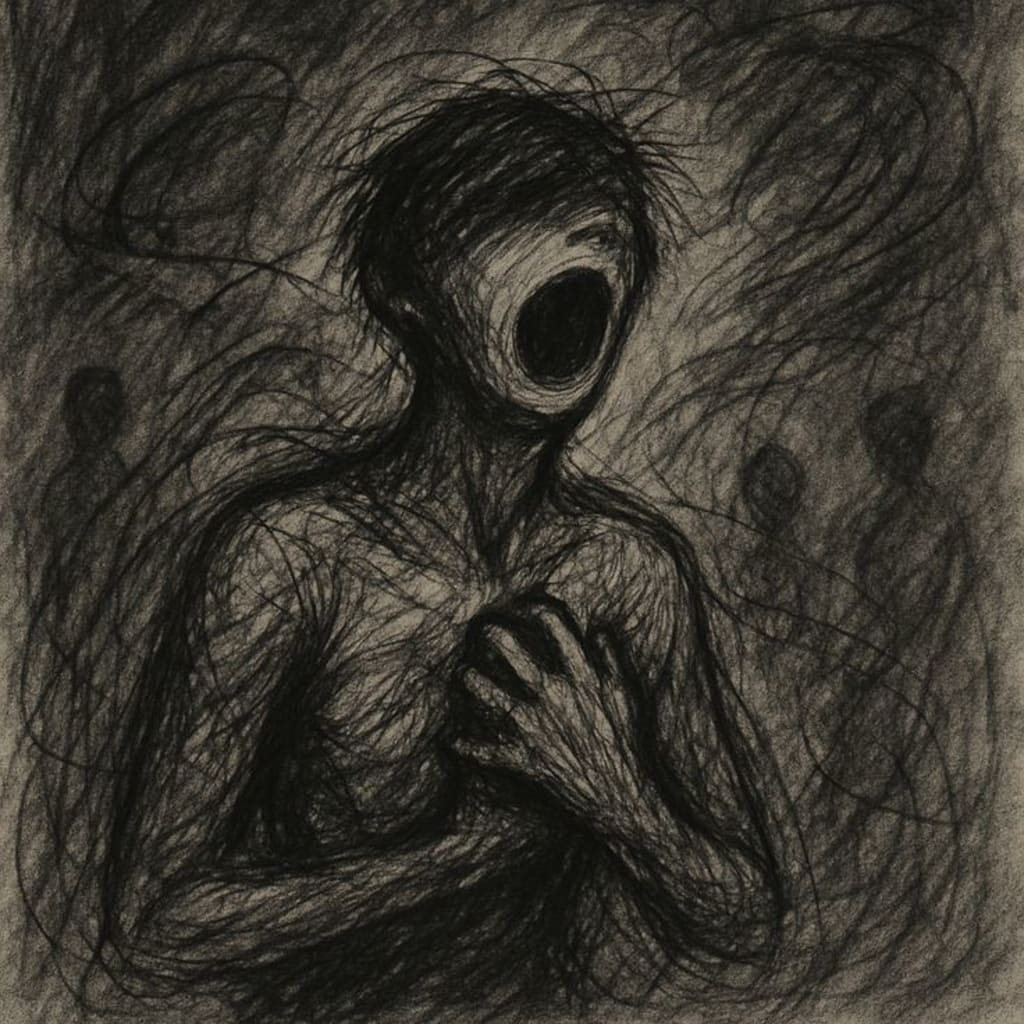
From the outside, everything can look fine.
You have a phone.
You have access to entertainment.
You might have friends.
You might have a job.
You might even be “successful” by society’s standards.
Yet inside, something feels off.
A dullness.
A heaviness.
A quiet sense that nothing truly satisfies.
This emptiness doesn’t scream.
It whispers.
And because it whispers, many people ignore it.
They distract themselves instead.
They scroll longer.
They work more.
They chase goals faster.
They consume endlessly.
Not because they’re greedy.
But because they’re trying to fill something they can’t name.
Modern life offers endless stimulation but very little meaning. You’re constantly entertained but rarely fulfilled. You’re constantly connected but rarely understood. You’re constantly busy but rarely present. Over time, this creates a strange emotional contradiction: you’re surrounded by noise, yet you feel alone with your thoughts.
Emptiness often forms when a person lives a life that looks good on paper but doesn’t feel aligned with who they truly are. You follow paths that were chosen for you. You chase definitions of success you didn’t create. You wear identities that don’t quite fit. Slowly, you drift away from yourself without realizing it.
You’re functioning.
But you’re not living.
Another cause of emptiness is emotional suppression. Many people were taught, directly or indirectly, that certain feelings are unacceptable. Don’t cry. Don’t complain. Don’t be weak. Don’t be too much. So they learn to numb instead of process. They push sadness down. They ignore anger. They hide disappointment. Over time, emotions don’t disappear.
They go quiet.
And when emotions go quiet, so does joy.
You can’t selectively numb pain.
When you numb pain, you also numb pleasure.
You become neutral.
Flat.
Disconnected.
Trauma can also create emptiness. When you’ve experienced repeated disappointment, betrayal, or loss, part of you may shut down as a protective mechanism. Caring deeply starts to feel dangerous. Hoping feels risky. So you lower your emotional volume. You move through life on low battery mode.
You survive.
But you don’t feel alive.
Social comparison makes this worse. You see highlight reels of other people’s lives. Smiling faces. Big achievements. Perfect relationships. You assume everyone else has figured it out. You assume you’re the only one struggling with an invisible void.
You’re not.
Many people are walking around empty.
They’re just better at hiding it.
The problem isn’t that something is wrong with you.
The problem is that humans aren’t built to live disconnected from purpose, authenticity, and meaningful connection.
Emptiness is a signal.
Not a sentence.
It’s your mind and body saying: something in your life needs attention.
Maybe you’ve outgrown a version of yourself.
Maybe you’re ignoring a desire.
Maybe you’re living in autopilot.
Maybe you’re afraid to change.
Healing emptiness doesn’t start with finding a perfect passion or reinventing your entire life overnight. It starts with small acts of honesty.
What actually matters to me?
What drains me?
What makes me feel a little more alive?
What am I avoiding?
These questions don’t give instant answers.
But they open doors.
Another important step is learning to sit with discomfort instead of escaping it. When you feel empty, the instinct is to distract. But distraction delays clarity. Silence, although uncomfortable, allows buried thoughts to surface. Journaling. Walking. Sitting without your phone. These simple practices create space for self-awareness.
Connection also plays a massive role. Not surface-level interaction. Real connection. Being seen. Being heard. Being honest about how you’re doing instead of automatically saying “I’m fine.” You don’t need dozens of people.
You need one or two safe ones.
Purpose doesn’t have to be grand.
It doesn’t have to be glamorous.
Purpose can be creating.
Learning.
Helping.
Growing.
Becoming slightly better than yesterday.
Meaning is built.
Not found.
You are not empty because you’re broken.
You’re empty because you’re human in a world that often prioritizes productivity over humanity.
You don’t need to become someone else.
You need to come back to yourself.
Slowly.
Gently.
One honest step at a time.
About the Creator
Time to change your life.
Is it even possible for you to change your life? A lot of people, more than there should be, are unhappy with their lives. But what are they doing about it? Usually nothing. People talk about how shitty their lives are and want change, but are they not taking the actions to change?
By Jen Phillips6 days ago in Humans
Off the Book
It ended like every other stupid idea. Badly, and alone. I’m researching digital confession ethics, he said. A tech ethicist. He gestured at floating data I couldn’t see then pulled out a physical notebook. Actual paper, fountain pen. He held it up like he was showing me scripture.
By Nicky Frankly7 days ago in Fiction


Comments
There are no comments for this story
Be the first to respond and start the conversation.