
The Psychological Benefits of Nature: How Being in Nature Can Improve Mental Health
The Power of Green Spaces in Reducing Stress and Boosting Well-Being

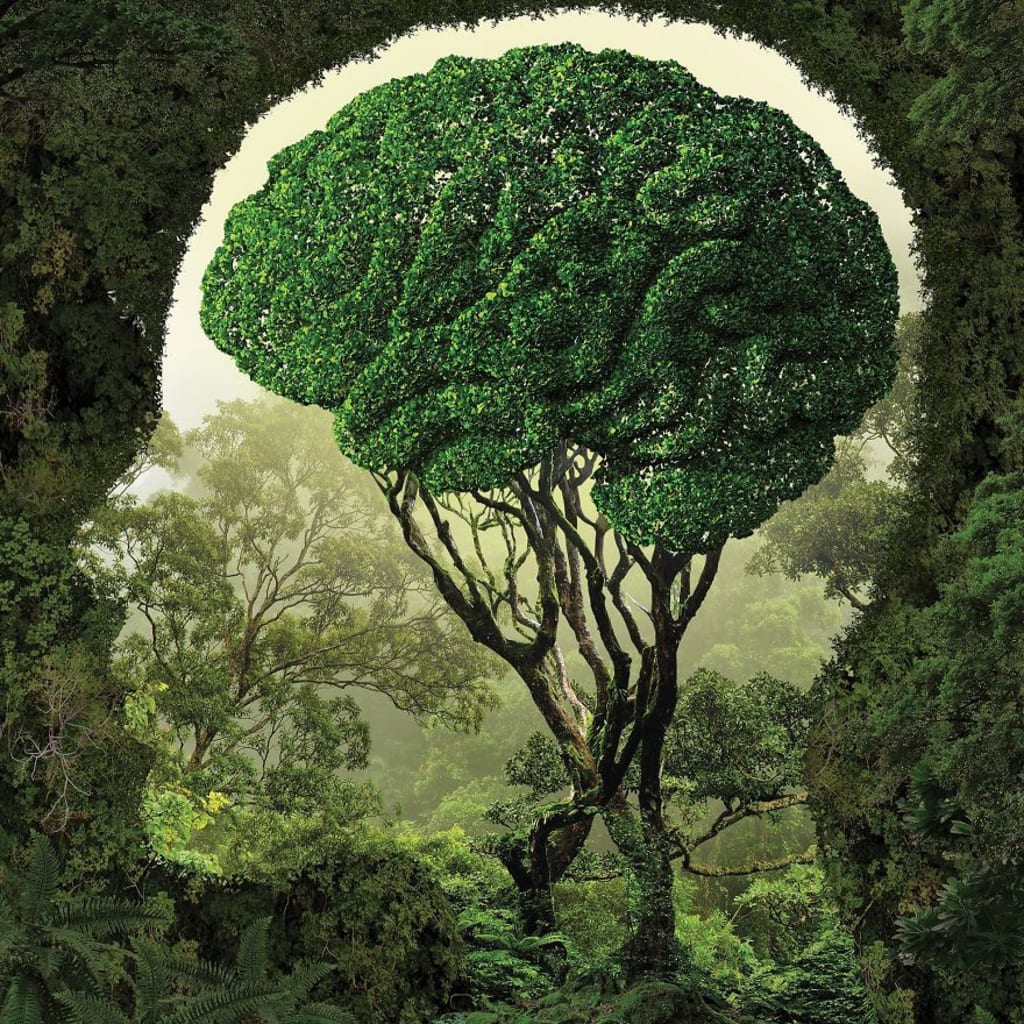
In the fast-paced world of modern life, it can be easy to overlook the importance of nature in maintaining good mental health. However, research has shown that being in nature can have a profound impact on our psychological well-being. In this article, we will explore the psychological benefits of nature and how spending time in natural environments can improve mental health.
One of the most striking benefits of nature is its ability to reduce stress. Stress is a common feature of modern life, and it can have a detrimental effect on both physical and mental health. However, studies have shown that being in nature can help to lower stress levels and reduce anxiety. For example, a study published in the International Journal of Environmental Research and Public Health found that spending time in a forest environment reduced stress levels and improved feelings of well-being in study participants.
In addition to reducing stress, being in nature has also been found to improve mood. Studies have shown that exposure to natural environments can lead to increased levels of positive emotions, such as happiness and contentment. For example, a study published in the Journal of Environmental Psychology found that people who spent time in a natural setting experienced more positive emotions than those who spent time in an urban environment.
Nature can also help to improve cognitive function. A study published in the Journal of Environmental Psychology found that people who spent time in a natural environment performed better on cognitive tasks than those who spent time in an urban environment. The study authors suggest that exposure to nature may help to restore cognitive functioning by providing a respite from the constant demands of modern life.
Creativity is another area where nature can have a positive impact. Studies have shown that exposure to natural environments can increase creativity and problem-solving abilities. For example, a study published in the Journal of Experimental Psychology found that participants who took a walk in nature generated more creative ideas than those who took a walk in an urban environment.
The psychological benefits of nature are not limited to adults. Children can also benefit from spending time in natural environments. Research has shown that exposure to nature can improve children's attention and focus, reduce symptoms of ADHD, and improve academic performance. For example, a study published in the Journal of Attention Disorders found that children with ADHD who spent time in a natural setting showed significant improvements in attention and cognitive function compared to those who spent time in an urban setting.
So, how can we incorporate more nature into our daily lives? One simple way is to take regular walks in natural environments such as parks, forests, or nature reserves. Even a short walk in a green space can have a positive impact on mood and well-being. Other options include gardening, spending time in a natural body of water such as a lake or river, or incorporating plants into your home or workspace.
It is worth noting that the benefits of nature are not limited to physical environments. Exposure to natural sounds, such as bird song or the sound of waves, can also have a positive impact on mental health. For example, a study published in the Journal of Environmental Psychology found that listening to natural sounds led to improvements in mood and cognitive function compared to listening to artificial sounds.
In conclusion, the psychological benefits of nature are clear. From reducing stress and anxiety to improving mood and cognitive function, spending time in natural environments can have a profound impact on mental health. Incorporating more nature into our daily lives is a simple but powerful way to improve our psychological well-being and lead happier, healthier lives.
About the Creator
Keep reading
More stories from ALI SHAHBAZ and writers in Humans and other communities.
Understanding the Science of Psychology
Introduction Psychology is a field of study that seeks to understand the intricacies of human behavior and mental processes. It explores the mind and how it interacts with the environment, and it aims to explain the underlying mechanisms that govern human behavior. Psychology has come a long way since its inception, evolving from a philosophical discipline to a scientific field with empirical research at its core. In this article, we will delve into the theories, methods, and applications of psychology, and explore its impact on various aspects of our lives.
By ALI SHAHBAZ3 years ago in Psyche
Marc Guéhi
Marc Guéhi is a professional football player who is known for his calm defending, strong leadership, and smart decision-making on the field. He plays as a central defender and represents both club football and the England national team. Over the years, Marc Guéhi has become one of the most trusted young defenders in modern football.
By Farhan Sayed3 days ago in Humans
Silver Screen Magic with Mae West
American actress and singer Mae West became a popular film actress during the Great Depression. She started entertaining in vaudeville, then performed on Broadway, and finally went to Hollywood. She signed up with Paramount Pictures and made her debut in the 1932 film “Night After Night.” She also starred in musicals, comedies, and crime dramas. The American Film Institute named her one of the best classic Hollywood actresses.
By Rasma Raisters6 days ago in Geeks


Comments
There are no comments for this story
Be the first to respond and start the conversation.